Scar Revision
Make a scar thinner, flatter, and easier to hide.
What Is a Scar Revision?
Scar revision improves the appearance of a scar so it blends better with the surrounding skin. It cannot erase a scar completely, but it can make one thinner, flatter, less pulled, or better hidden in a natural skin line. The right approach depends on the scar. Options range from precise surgical removal and reorientation to techniques like Z-plasty that redirect a scar, often combined with laser or other treatments to refine color and texture. Scars from injury, surgery, or acne can all be candidates.
Schedule a Consultation
- Anesthesia
- Local anesthesia, sometimes with sedation
- Estimated Duration
- 30 minutes to 2 hours depending on the scar
- Downtime
- About 1 to 2 weeks
- Return to Work
- Many patients return to work within a week, depending on scar location and size
Surgical Technique
The technique is chosen to fit the scar. A narrow surgical revision removes the old scar and closes it more precisely, often reorienting it into a natural crease. A Z-plasty or similar flap redirects a scar that crosses a tension line or pulls tissue. Wide or depressed scars may be excised and closed in layers. Surgical revision is frequently combined or staged with laser resurfacing, steroid treatment, or other measures. Most facial scar revisions are done under local anesthesia.
Who Is a Good Candidate for Scar Revision?
Good candidates have a scar that is raised, wide, depressed, discolored, or pulling, and that has usually matured over several months to a year. Realistic expectations matter, because the goal is to improve and better hide a scar, not to erase it. Skin type, scar type, location, and a tendency toward thick or keloid scars all shape the plan. Final recommendations depend on an in-person exam and history.
Recovery
After surgical revision, expect swelling, bruising, and a fresh incision that looks red or pink for several weeks. Sutures are often removed within one to two weeks. Strict sun protection is important during healing because sun can darken a new scar. Scars continue to mature and fade for up to a year or more, and additional treatments are sometimes added during that time.
Days 1 to 7
Expect swelling, bruising, and a fresh incision. Keep the area clean and protected, and follow taping or ointment instructions. Sutures are often removed within one to two weeks.
Weeks 2 to 6
The new scar looks red or pink, which is normal early healing. Strict sun protection begins now and matters for the final result.
Months 2 to 6
The scar gradually flattens and fades. Some patients add laser or other treatments during this window to refine color and texture.
Months 6 to 12
Scars continue to mature and lighten for up to a year or more. The final appearance is judged at this stage.
Scar Revision Risks & Considerations
Risks include a new scar that is still visible, recurrence of a raised or wide scar, thick or keloid scarring in prone patients, changes in skin color, asymmetry, and the need for more than one treatment. No scar can be removed completely. The final result depends on skin type, scar behavior, wound care, and sun protection as much as on the technique.
- A scar that remains visible
- Recurrence of a wide or raised scar
- Keloid or thick scarring in prone patients
- Changes in skin color, lighter or darker
- Asymmetry or contour irregularity
- Need for more than one treatment
- Poor healing, higher in smokers
Alternatives to Scar Revision
Nonsurgical options can improve many scars without cutting. Laser resurfacing refines texture and color, chemical peels help diffuse texture and pigment, and steroid or other injections can flatten a raised scar. These are often the first step for flat or discolored scars. A raised, wide, or pulling scar usually needs surgical revision, sometimes followed by laser or injections. The plan is matched to the individual scar.
Scar Revision vs Laser Resurfacing
Scar revision is a surgical technique that removes or realigns a scar so it heals thinner and less visible, often hidden in a natural skin line. Laser resurfacing does not cut the scar; it improves the texture and color of a scar or the surrounding skin. Raised or wide scars often need surgical revision first, while flat or discolored scars may respond to laser alone. The two are frequently staged together.
Laser ResurfacingScar Revision vs Chemical Peels
A chemical peel improves surface texture and tone across an area of skin and can soften some shallow scars, but it does not remove or realign a scar. Scar revision physically changes the scar itself. Peels are better for diffuse texture and pigment, while a raised, wide, or pulled scar usually needs surgical revision, sometimes followed by resurfacing.
Chemical PeelsMedical Sources
Scar Revision - Frequently Asked Questions
- Can scar revision remove a scar completely?
- No. The goal is to make a scar less visible, thinner, flatter, or better hidden, not to erase it. Most scars can be improved but not made to disappear.
- When should a scar be revised?
- Many scars are given several months to a year to mature and improve on their own before revision, unless they are pulling tissue or causing problems.
- Is it surgery or laser?
- It can be either or both. Raised, wide, or pulling scars often need surgical revision, while flat or discolored scars may respond to laser or peels. The two are frequently combined.
- Will insurance cover it?
- Coverage depends on the cause and whether the scar affects function. Purely cosmetic revision is usually not covered, and this is reviewed case by case.
- Does scar revision hurt?
- Most facial scar revisions are done under local anesthesia and are well tolerated. Some soreness during healing is normal.
- How do I get the best result?
- Careful wound care, strict sun protection, and following the plan matter as much as the technique, because scars keep maturing for a year or more.
Plan your visit
Explore financing options and patient resources as you prepare for your consultation. If you are visiting from out of town, use our travel guide to plan your trip and stay.
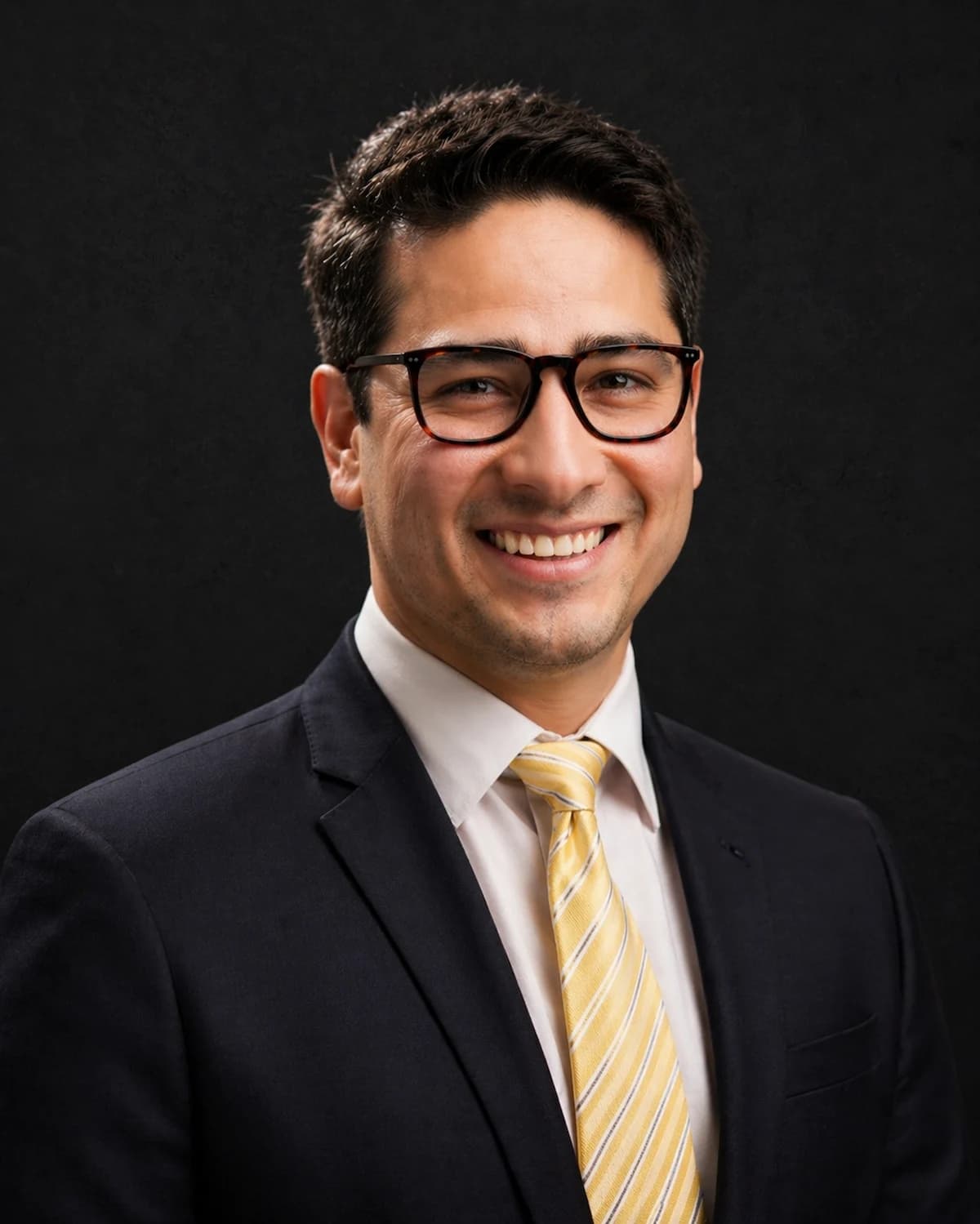
Ready to talk through your options?
Every plan begins with a conversation about your anatomy, your goals, and whether this is genuinely the right procedure for you.
Schedule a ConsultationPerformed by Dr. Ruben Castro in Newport Beach, California