A history of keloids does not automatically rule out plastic surgery, but it changes the scar discussion and may make an elective operation a poor tradeoff. Keloids grow beyond the original wound boundaries; hypertrophic scars are raised but remain within them. Your previous scars, family history, proposed incision location, and the value of the expected improvement matter more than assuming every thick scar behaves the same way.
Was my previous scar actually a keloid?
A wide scar, a dark scar, and a raised scar are not interchangeable diagnoses. A keloid can expand into surrounding normal skin and remain active, sometimes causing itching or pain. A hypertrophic scar stays within the wound and may flatten with time or treatment.
Bring photographs showing how your scar evolved, the reason for the original injury, and details of previous treatment. A clinician may need to examine an atypical or changing lesion rather than accept a self-diagnosis. Our scar revision guide explains why the type of problem determines what revision can change.
| Scar pattern | What it suggests | How planning differs |
|---|---|---|
| Growth beyond the original injury | Possible keloid | Discuss recurrence and a combined prevention or treatment plan |
| Raised tissue within the incision | Possible hypertrophic scar | Assess tension, maturation, and selected scar treatment |
| Flat but broad scar | Stretching or wound-related widening | Consider mechanical factors rather than assuming keloid biology |
| Dark mark without raised growth | Pigment change | Pigment assessment differs from treating scar overgrowth |
Do location and skin tone change the risk?
The chest, shoulders, upper back, and earlobes are common sites for keloids. A history in one location does not predict every future incision, but it deserves attention when planning a new wound. Piercing scars and acne-related scars can supply useful information even if you have never had an operation.
Keloids are more common in some people with darker skin, yet skin color alone neither diagnoses risk nor excludes someone from surgery. Personal and family history are especially useful. Pigment risk is also separate from keloid risk, as discussed in our laser and skin pigment guide.
Can the plan lower the chance of another raised scar?
Incision placement, limiting unnecessary tension, protecting healing tissue, and arranging follow-up can all be part of planning. Depending on the site and history, the clinician may discuss silicone after the wound has closed, pressure treatment where practical, or injections if a scar becomes active. These measures cannot guarantee prevention.
For an established keloid, cutting it out alone can lead to recurrence, sometimes larger than before. Scar revision therefore may require additional treatment or referral. Radiation is used selectively for some recurrent keloids, with specialist discussion of its own risks; it is not routine prevention for every cosmetic incision.
When might the operation not be worth the scar risk?
An elective procedure may offer too little benefit if you have repeatedly aggressive keloids, an unfavorable incision site, or an expectation that the scar will be invisible. An alternative with fewer incisions may be worth discussing only if it can actually meet the goal. Avoiding one scar does not justify an ineffective procedure.
Some operations, including breast reduction, require meaningful skin removal to achieve the desired shape. The breast scar guide helps explain placement, but no technique name removes your individual tendency to scar. Access to follow-up and willingness to treat an early problem also belong in the decision.
Build the scar plan before creating a new scar
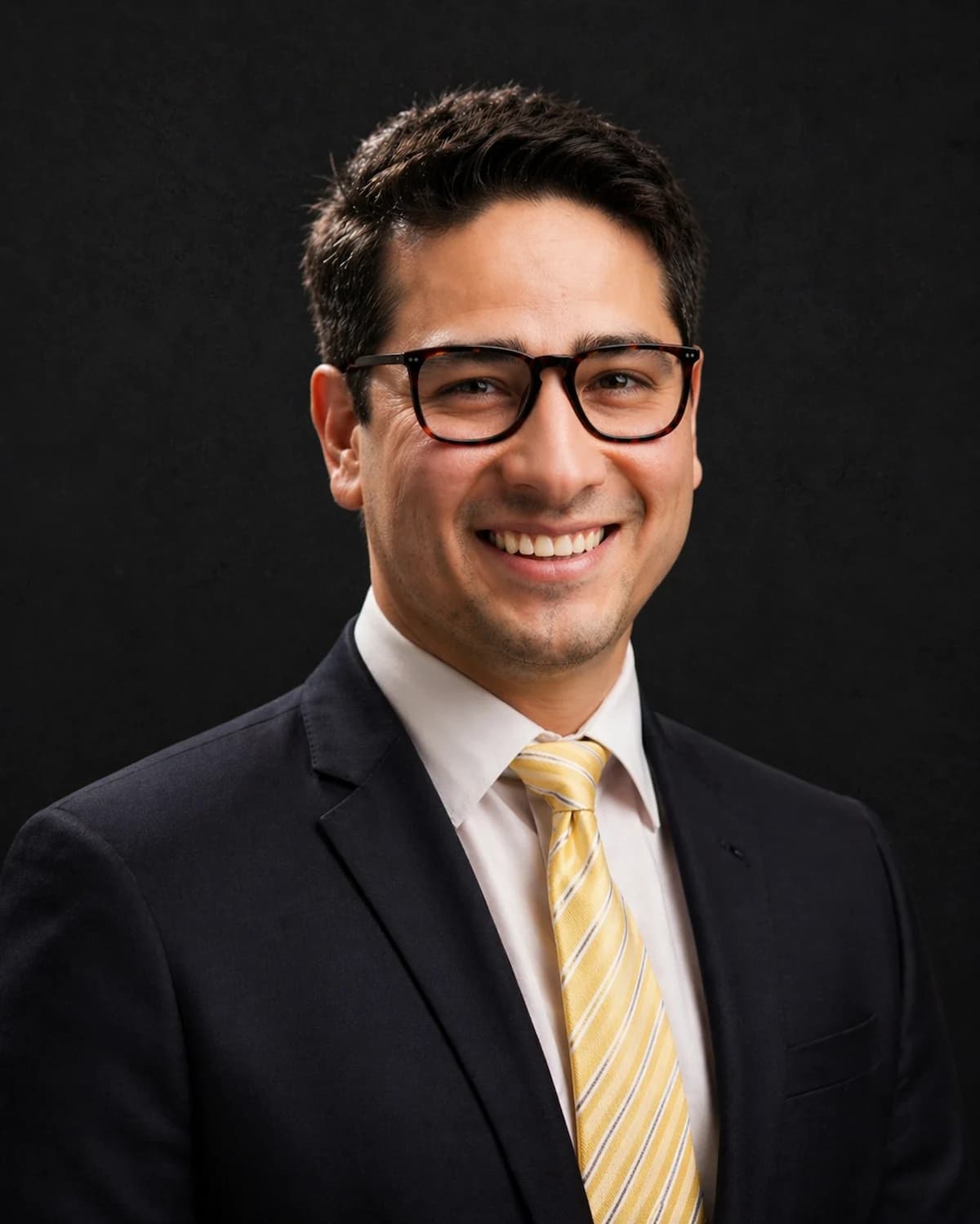
Bring your most troublesome scar history to Dr. Ruben Castro before selecting a date. The consultation can compare the likely benefit with the particular incision and your past healing pattern. A clear plan may include specialist input, preventive measures, closer follow-up, or a recommendation to leave an elective concern untreated.