A scar can be widened, raised, depressed, red, dark, pale, painful, itchy, tethered, or simply placed in a direction that catches light. Calling it a bad scar describes the frustration, not the diagnosis. Scar revision can often make a scar less distracting or more comfortable, but it cannot restore skin that has never been injured. Every treatment creates another healing response, so the first task is to identify why the original scar matured poorly and which feature has a realistic chance to improve.
Different scar problems need different tools
A widened scar may reflect tension, movement, infection, wound separation, or weak tissue. A hypertrophic scar stays within the original injury but becomes thick and raised. A keloid grows beyond it and has a different recurrence pattern. A depressed scar may be tethered to deeper tissue, while pigment or persistent redness can dominate an otherwise flat line. Examination should document age, location, symptoms, color, thickness, direction, skin type, and previous treatments. The same word, scar, can therefore lead to very different plans.
Nonsurgical care may come before cutting
Silicone, sun protection, taping, pressure, massage at the correct stage, steroid or other intralesional medication, and selected laser treatment can address particular scar features. None is universal. A vascular laser may target redness, while fractional resurfacing may be considered for texture or pliability. Laser resurfacing has pigment and healing risks that vary with device, depth, and skin type. A chemical peel is not a routine substitute for surgical revision and should match the actual surface problem.
What surgical revision can change
Surgery may remove a widened or poorly oriented segment, release tethering, rearrange a line, or close the wound in layers with better tension distribution. The new incision still becomes a scar. Its final width and color depend on location, biology, tension, infection, nicotine, aftercare, and time. Some areas, such as the chest, shoulder, jaw, and joints, are especially demanding. A plan may deliberately trade an irregular or symptomatic mark for a longer but better aligned line. That tradeoff should be understood before surgery.
What revision cannot promise
No technique can erase a scar, guarantee a fine line, match surrounding pigment perfectly, or prevent recurrence of every hypertrophic scar or keloid. Revision also cannot correct ongoing tension, repeated trauma, active inflammation, or poor blood supply without addressing those forces. The nicotine and healing guide explains why exposure matters. Our articles on facelift incisions and breast lift scars show how location and time shape different surgical lines.
Recovery and What to Expect
Many scars should mature for months before purely cosmetic excision, although painful, infected, function-limiting, or rapidly growing lesions may need earlier assessment. After surgical revision, activity limits protect the closure while redness and firmness can increase before improving. Final maturation often takes a year or longer. Injection or laser schedules vary, and pigment change may temporarily look worse. Spreading redness, drainage, fever, wound opening, severe pain, or a rapidly enlarging mass should prompt medical evaluation rather than waiting for a routine visit.
Are You a Candidate?
Candidacy depends on the scar type, maturity, location, symptoms, skin biology, health, nicotine status, medication, and willingness to accept another scar. A history of keloids must be disclosed because excision alone can recur or worsen. Active acne, dermatitis, infection, unstable medical illness, or unrealistic expectations may require delay. Age alone does not determine candidacy. The best candidate can name the feature that matters most and understands that meaningful improvement, not disappearance, is the aim.
Online education can help you ask better questions, but it cannot measure anatomy, review records, perform an examination, or calculate personal risk. Keep a written list of symptoms, prior treatments, medicines, medical conditions, work and caregiving duties, and the result you hope to achieve. Those details often change the recommendation more than a trend, technique name, or photograph found online.
Frequently Asked Questions
Can a scar be completely removed? No. Surgery replaces one scar with another. The goal is a line that is better positioned, flatter, narrower, less symptomatic, or otherwise less noticeable.
When is a scar mature enough to revise? Timing varies. Many cosmetic revisions wait for maturation, but pain, contracture, infection, functional limitation, or aggressive growth can justify earlier evaluation.
Can laser fix every raised scar? No. Device and wavelength target different features, and some raised scars respond better to injections, pressure, surgery, or combined treatment.
Will the revised scar come back? Widening, thickening, pigment change, and keloid recurrence remain possible. Diagnosis, tension control, aftercare, and follow-up all influence risk.
Schedule a Consultation in Newport Beach
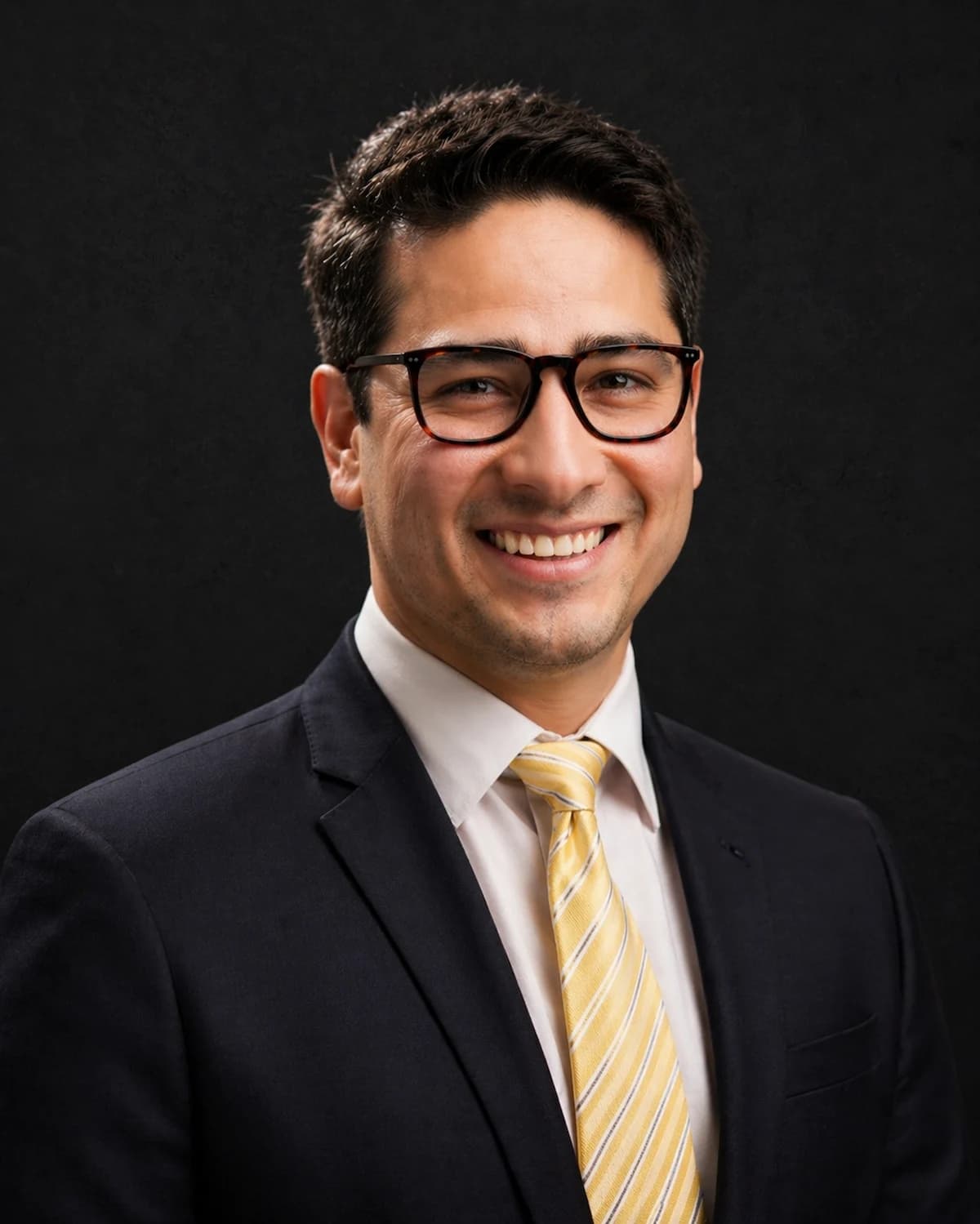
Dr. Ruben Castro can evaluate a mature surgical or traumatic scar during a private Newport Beach consultation and explain which feature is treatable. Bring the timeline, operative history, photographs, pathology if relevant, and a list of prior injections, lasers, or topical care. A scar near a facelift or breast lift incision may require procedure-specific planning. The most credible plan states both the possible improvement and the limits before any new incision is made.