Laser Resurfacing in Newport Beach
Correct skin texture, tone, and sun damage.
What Is Laser Resurfacing?
Laser resurfacing treats sun damage, fine lines, acne scars, and rough texture by renewing the skin surface. This treatment is highly effective for reducing fine lines, acne scars, and hyperpigmentation, revealing smoother, younger-looking skin.
Schedule a Consultation
- Anesthesia
- Local anesthesia
- Estimated Duration
- 30–90 minutes
- Downtime
- 5–14 days (intensity-dependent)
- Return to Work
- Full ablative resurfacing typically requires seven to fourteen days before return to work or social activities. Non-ablative or fractional treatments may allow return in two to five days.
Treatment Technique
Laser resurfacing is customized based on skin type, skin concerns, and how much recovery time is acceptable. Numbing cream is applied before treatment, and oral sedation may be offered for deeper full-face resurfacing. The laser is passed across the treatment area in controlled patterns, using settings chosen for the desired depth of improvement. Fractional laser treatment treats tiny columns of skin while leaving surrounding skin intact, which helps speed healing compared with fully resurfacing the entire area. Dr. Castro monitors the skin response throughout treatment to keep the depth controlled.
Who Is a Good Candidate for Laser Resurfacing?
Laser resurfacing is best for patients with sun damage, fine lines, acne scars, or uneven texture who are comfortable with the recovery required for meaningful skin renewal. Skin type, pigment history, and goals guide the safest settings and preparation plan. Active skin infection, active cold sores or herpes outbreaks, recent isotretinoin use, uncontrolled medical conditions, or unclear expectations may require delaying treatment or choosing a lighter option.
- Fine lines, uneven texture, or acne scarring
- Sun damage, discoloration, or uneven pigment
- Mild skin looseness or dullness
- Willingness to follow skin preparation, sun avoidance, and downtime instructions
Recovery
After deeper or ablative laser resurfacing, the treated skin may be red, swollen, sensitive, and raw during the first few days. Gentle cleansing and ointment-based wound care are used to protect the skin while it heals. Peeling and shedding are usually most active between days three and seven. New skin often appears between days five and ten and may look bright pink at first, gradually fading toward normal tone over four to six weeks. Strict sun avoidance and broad-spectrum sunscreen are essential for several months to reduce the risk of dark spots and uneven pigment.
Acute Phase
Edema and exudate managed with occlusive dressings. Avoid sun exposure completely. Topical antivirals and antibiotics as prescribed.
Peeling and Re-epithelialization
Active skin shedding. Do not pick or remove peeling skin. New epithelium begins emerging. Strict occlusive moisturizing regimen.
Pink Skin Phase and Recovery
New pink skin normalizes. SPF 50+ mandatory. Makeup may be resumed once fully re-epithelialized. Collagen remodeling continues for months.
Laser Resurfacing Risks & Considerations
Laser resurfacing risks include post-inflammatory hyperpigmentation, meaning darkening after inflammation, especially in darker skin types. Pretreatment skin conditioning and strict sun avoidance help reduce this risk. Other risks include prolonged redness, infection, acne-like bumps or milia, skin lightening, scarring, and herpes simplex reactivation, which may be prevented with antiviral medication. Deeper treatments carry more recovery and a higher chance of prolonged redness.
- Post-inflammatory hyperpigmentation (dark spots after treatment)
- Prolonged redness
- Infection (bacterial, viral, or fungal)
- Milia or acne-like bumps
- Hypopigmentation (skin lightening)
- Scarring
- Herpes simplex reactivation
Alternatives to Laser Resurfacing
Chemical peels can improve tone, texture, and sun damage without using a laser, and medium-depth peels can overlap with some resurfacing goals. Non-ablative lasers, IPL, microneedling, or radiofrequency microneedling may be better for patients who want less downtime, though results are usually more gradual. Prescription skin care can help maintain results but cannot replace deeper resurfacing.
Laser Resurfacing Patient Guides
Medical Sources
Laser Resurfacing - Frequently Asked Questions
- How many treatments will I need?
- While some see results after one treatment, others may require a series depending on skin goals.
- What is the downtime after laser resurfacing?
- Downtime varies by intensity, ranging from a few days of redness to a week of skin peeling.
- Does laser resurfacing hurt?
- A topical numbing cream is applied before the procedure to ensure comfort. Most patients describe it as a warm, snapping sensation.
- How should I prepare for treatment?
- Optimal safety and results require four to six weeks of skin pretreatment with Retin-A and hydroquinone. This conditioning phase ensures a uniform healing response and predictable outcome.
- How should I care for my skin post treatment?
- Post treatment care focuses on hydration and strict sun protection. A gentle cleanser and occlusive moisturizer are recommended during the initial healing phase to support skin regeneration.
Plan your visit
Explore financing options and patient resources as you prepare for your consultation. If you are visiting from out of town, use our travel guide to plan your trip and stay.
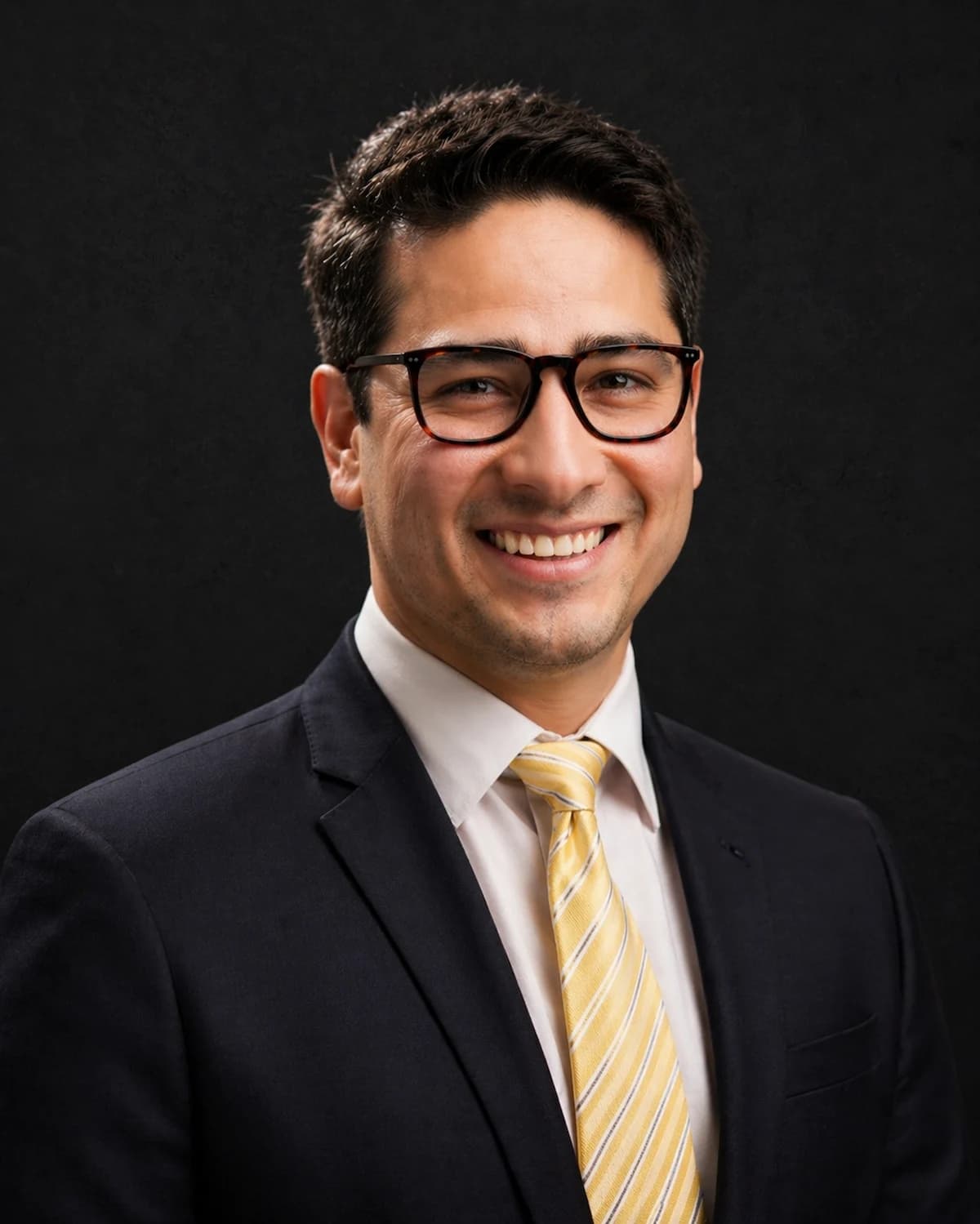
Ready to talk through your options?
Every plan begins with a conversation about your anatomy, your goals, and whether this is genuinely the right procedure for you.
Schedule a ConsultationPerformed by Dr. Ruben Castro in Newport Beach, California