Facial Fat Grafting in Newport Beach
Restore facial volume and contour with your own fat.
What Is Facial Fat Grafting?
Facial fat grafting transfers a small amount of a patient's own fat to areas of facial volume loss, hollowing, or contour imbalance. It can be used to soften under-eye hollowing, support the cheek and midface, improve prejowl contour, refine the jawline, and smooth selected contour irregularities. The goal is not to make the face look puffy. The goal is to restore proportion where volume has been lost or where the facial contour needs better balance.
Schedule a Consultation
- Anesthesia
- Local anesthesia with sedation or general anesthesia
- Estimated Duration
- 1.5 to 3 hours
- Downtime
- 7 to 14 days
- Return to Work
- Many patients return to desk work in about one to two weeks, depending on bruising, swelling, donor-site soreness, and whether fat grafting is combined with another procedure.
Surgical Technique
Facial fat grafting begins by gently removing a small amount of fat from a donor area such as the abdomen, flank, or thigh. The fat is then prepared so healthy fat cells can be placed back into the face. Small amounts are placed through tiny entry points using blunt-tipped tubes, with multiple delicate passes used to build smooth, natural volume. Common treatment areas include the cheeks, under-eye hollows, temples, jawline, and areas of facial hollowing. Because some transferred fat is naturally reabsorbed, the plan is tailored carefully rather than overfilled.
Who Is a Good Candidate for Facial Fat Grafting?
Good candidates for facial fat grafting have facial volume loss or contour imbalance rather than only loose skin. Common concerns include under-eye hollows, cheek flattening, pre-jowl hollows, soft jawline shadows, and selected contour irregularities. Final recommendations depend on examination, skin quality, facial anatomy, donor fat, medical history, weight stability, and goals.
- Under-eye hollows or a hollow lower-eyelid to cheek transition
- Cheek flattening or loss of facial volume
- Pre-jowl hollowing or soft jawline shadows
- Facial asymmetry or contour irregularities after aging, weight change, or prior surgery
- Stable weight and enough donor fat for transfer
Recovery
Facial fat grafting recovery is usually driven by facial swelling and bruising, along with soreness at the fat donor site. Early fullness is expected and should not be judged as the final result. Some transferred fat naturally reabsorbs, while the portion that survives becomes more stable over the following months. Because fat survival varies from person to person, some patients benefit from a staged touch-up treatment, while others do not need one.
Days 1 to 3
Swelling, bruising, and donor-site soreness are expected. Keep the head elevated, avoid pressure on grafted areas, and follow the incision and compression instructions for the donor site.
Week 1
Facial fullness often looks stronger than the final result because swelling and intentional conservative overcorrection are part of the early phase. Bruising begins to fade for many patients.
Weeks 2 to 3
Many patients return to desk work and low-key social activity as bruising improves. Exercise and facial massage remain limited until cleared because early graft stability matters.
Months 1 to 3
Swelling continues to settle and a portion of the transferred fat is naturally resorbed. The result becomes easier to judge as the face softens and contours refine.
Months 3 to 6
The retained fat is more stable by this stage. Some patients may consider a small touch-up if anatomy, goals, and fat survival make that appropriate.
Facial Fat Grafting Risks & Considerations
Facial fat grafting risks include bruising, swelling, infection, bleeding, donor-site soreness or unevenness, asymmetry, overcorrection, undercorrection, visible or palpable lumps, contour irregularity, fat reabsorption, and the possible need for touch-up treatment. Rare but serious vascular complications have been reported with facial fat injection, including vision injury, stroke, or fat embolism. Careful anatomy, injection depth, technique, and patient selection are important for safety.
- Bruising and swelling
- Donor-site soreness or irregularity
- Overcorrection or undercorrection
- Fat reabsorption or need for touch-up
- Asymmetry
- Visible or palpable lumps
- Infection
- Rare vascular complications, including vision injury or fat embolism
Alternatives to Facial Fat Grafting
Dermal fillers can treat smaller volume concerns without surgery and may be useful when a patient wants a reversible or lower-downtime option. A facelift or neck lift is usually better when the main issue is jowls or loose neck skin. A Glidelift™ may be considered when the concern is midface descent or lower-eye support rather than volume loss alone. Blepharoplasty may be more appropriate when eyelid skin or bags are the dominant concern. Many patients benefit from a combined plan because support, skin, and volume often change together.
Facial Fat Grafting vs Facelift
Facial fat grafting restores lost volume and improves contour. A facelift repositions deeper support and treats lower-face descent. They solve different problems and are often complementary when both volume loss and loose skin are present.
FaceliftFacial Fat Grafting vs Dermal Fillers
Dermal fillers are useful for smaller, targeted volume changes with less recovery. Facial fat grafting is more involved because it requires harvest and processing, but it uses the patient's own tissue and can be useful for broader volume restoration.
Dermal FillersFacial Fat Grafting vs Blepharoplasty
Blepharoplasty treats eyelid skin, puffiness, and eyelid contour directly. Fat grafting can soften hollowing around the lower eyelid to cheek transition. Some patients need one approach, and some need both.
BlepharoplastyFacial Fat Grafting vs Chin Implant
A chin implant changes skeletal projection and provides a stronger structural change. Fat grafting can soften contour irregularities or mild shadows around the chin and prejowl area, but it does not replace an implant when stronger projection is needed.
Chin ImplantFacial Fat Grafting vs Glidelift™
The Glidelift™ elevates midface support through hidden hairline incisions. Fat grafting restores volume. If the cheek has both descent and deflation, Dr. Castro may discuss whether lift, volume restoration, or a combined plan best matches the anatomy.
Glidelift™Facial Fat Grafting Patient Guides
Medical Sources
Facial Fat Grafting - Frequently Asked Questions
- What does facial fat grafting treat?
- It treats facial volume loss and contour imbalance. Common areas include the hollows under the eyes, lower eyelid to cheek transition, cheeks, temples, prejowl hollows, jawline shadows, chin, and selected contour irregularities.
- Can fat grafting help under-eye hollows?
- It can help selected patients with under-eye hollowing or lower eyelid to cheek hollowing. This area is technically delicate, so the plan must be conservative and based on the anatomy of the eyelid, cheek, and orbital rim.
- Is facial fat grafting the same as fillers?
- No. Fillers are injectable products placed without fat harvest. Fat grafting uses your own fat, requires a donor site, and has a longer recovery. Fat survival is variable, while many fillers are temporary and some hyaluronic acid fillers can be dissolved.
- Can fat grafting fix jowls?
- Fat grafting does not lift jowls. It can soften prejowl hollows or improve jawline contour in selected patients. If the main issue is tissue descent or loose neck skin, a facelift or neck lift is usually more appropriate.
- How long does facial fat grafting last?
- The fat that survives the early healing period can be long lasting, but not all transferred fat survives. Weight change, anatomy, technique, and healing affect the final amount retained.
- Will I need more than one session?
- Some patients benefit from a staged touch-up because fat survival is not perfectly predictable. Others get enough correction from one carefully planned session.
Plan your visit
Explore financing options and patient resources as you prepare for your consultation. If you are visiting from out of town, use our travel guide to plan your trip and stay.
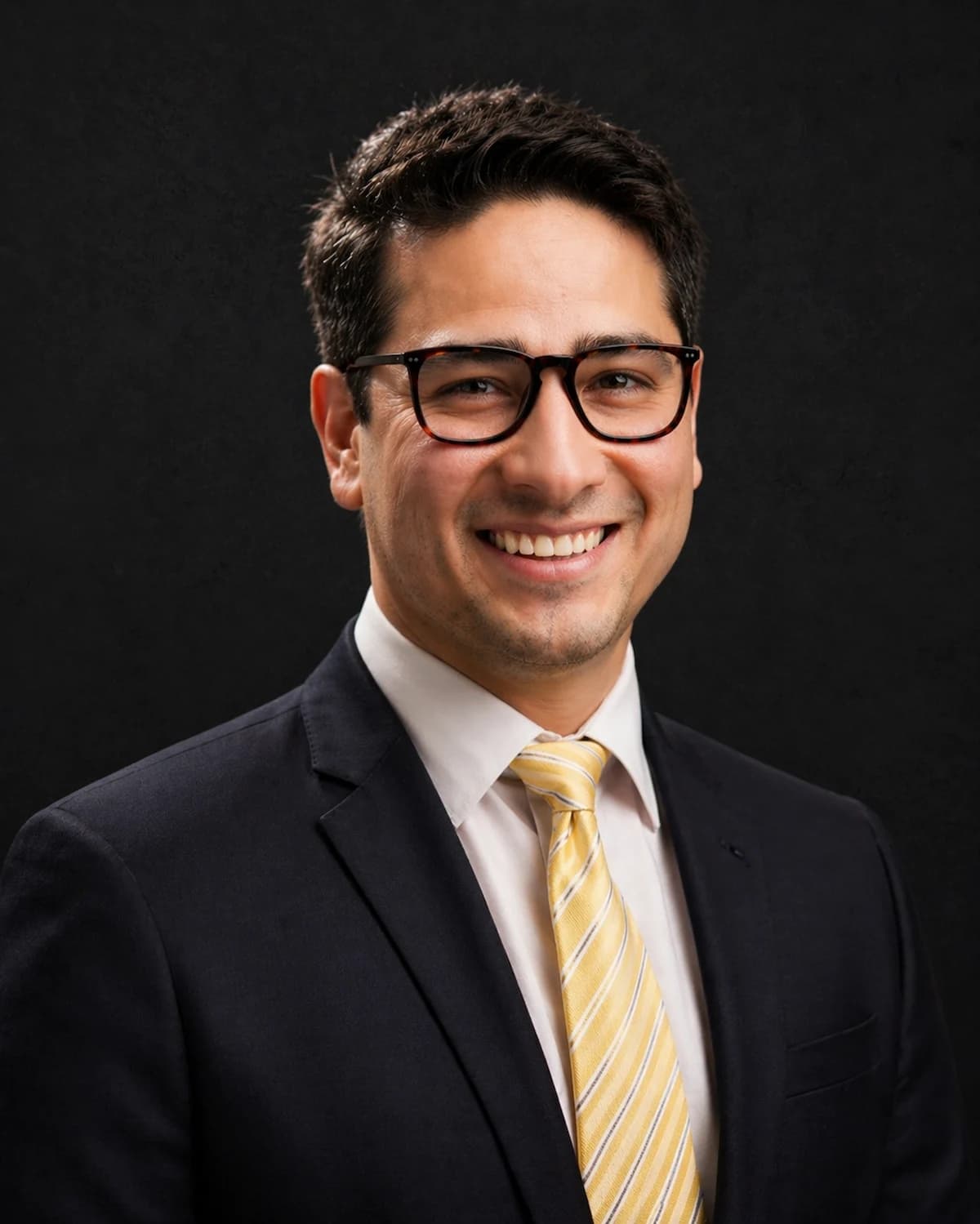
Ready to talk through your options?
Every plan begins with a conversation about your anatomy, your goals, and whether this is genuinely the right procedure for you.
Schedule a ConsultationPerformed by Dr. Ruben Castro in Newport Beach, California