Fractional CO2 laser resurfacing is designed for patients who want to improve the architecture of the skin surface, not simply add temporary brightness. It can address selected acne scars, fine lines, rough texture, and visible photoaging by creating controlled microscopic zones of ablation and heat that initiate repair and remodeling.
The Alma Pixel CO2 is one fractional ablative platform used for this type of resurfacing. The device name matters less than how the treatment is planned. Energy, density, pulse characteristics, number of passes, treatment pattern, anatomy, skin tone, and recovery goals all influence the result and risk. A brand alone does not determine whether a treatment is light, aggressive, safe, or appropriate.
The goal is not to make the skin look resurfaced. It is to create a cleaner, more even surface while preserving the features and movement that make the face look natural.
How Does Fractional CO2 Resurfacing Work?
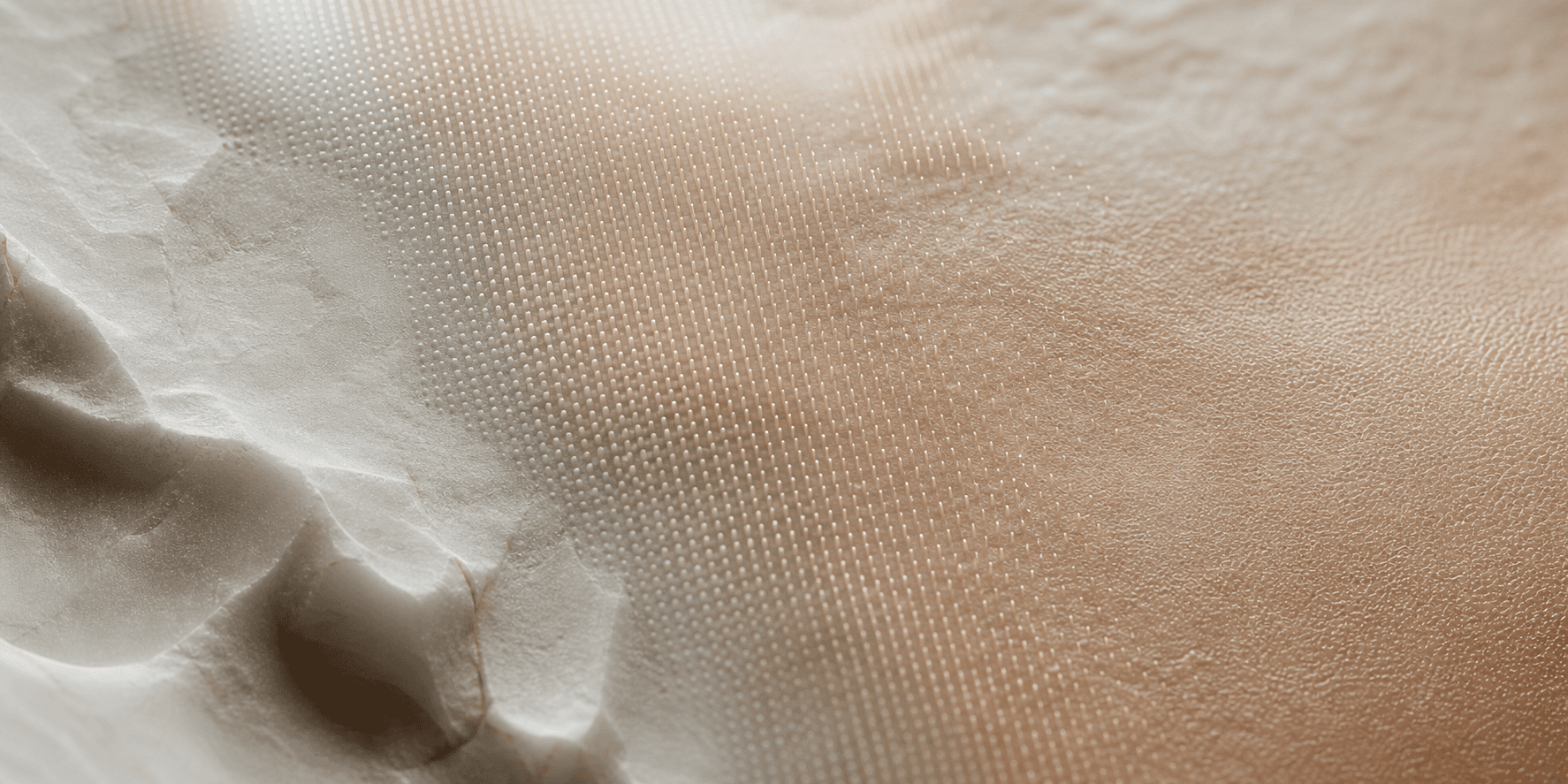
A CO2 laser emits light at approximately 10,600 nanometers, a wavelength strongly absorbed by water in tissue. That interaction allows the laser to vaporize tiny areas of skin and create surrounding thermal coagulation. The Alma Pixel applicators divide the beam into a pattern of microscopic treatment columns rather than removing the entire surface uniformly.
The word fractional describes that pattern. Treated columns sit beside intervening skin, which can support faster re-epithelialization than traditional fully ablative resurfacing. Fractional does not mean nonablative or risk-free. The columns still remove tissue, and the heat around them can contribute to collagen remodeling as well as redness, swelling, and pigment risk.
Settings change the balance between ablation, thermal effect, coverage, recovery, and risk. Higher energy is not automatically better. Greater density is not simply a shortcut to a stronger result. The treatment should match the skin problem and the patient's ability to heal safely.
What Can Alma Pixel CO2 Improve?
Fractional CO2 resurfacing is most compelling when texture is a meaningful part of the concern. It may improve:
- Selected rolling and boxcar acne scars
- Fine lines and etched surface creasing
- Rough, irregular, or weathered texture
- Enlarged-appearing pores in selected patients
- Selected areas of sun damage and uneven pigmentation
- Certain surgical or traumatic scars after appropriate evaluation
Improvement is not the same as erasure. Acne scars have different shapes and causes. A rolling scar held down by fibrous bands may need release. An ice-pick scar may need a focal technique. Volume loss can deepen shadowing. Fractional CO2 may be one part of a scar plan rather than the entire plan.
The laser also cannot reposition loose facial tissues or restore missing volume. It can improve skin quality, but it does not replace a facelift, neck lift, fat grafting, or another structural procedure when the concern comes from deeper anatomy.
Who May Be a Good Candidate?
Good candidates generally have a concern that matches ablative resurfacing, realistic expectations, and enough time for visible healing. Skin tone, tendency toward pigment changes, recent tanning, melasma, active acne or infection, history of cold sores, medications, prior procedures, scarring history, and medical conditions that affect healing all need review.
CO2 laser treatment can produce post-inflammatory hyperpigmentation, especially in skin that responds strongly to inflammation. Research in Asian patients has documented pigment changes after fractional CO2 treatment, which reinforces the need for conservative selection and parameters. Darker skin is not a single category, and the decision should not be reduced to one number. In some patients, a nonablative device, radiofrequency microneedling, a lighter peel, or no energy treatment may be safer.
Melasma deserves particular caution. Heat and inflammation can aggravate melasma even when another type of pigment improves. A patient with diffuse brown patches should not assume that a stronger laser is the solution.
What Happens During Treatment?
The treatment plan begins before the laser is turned on. The face is examined in consistent lighting, active skin conditions are identified, and the intended treatment areas are mapped. Photographs establish a baseline. Preparation and medications are individualized, especially for patients with pigment concerns or a history of herpes simplex.
Topical anesthetic is commonly used, and additional comfort measures depend on treatment intensity and area. Protective eyewear is required. During treatment, the Pixel applicator places a precise pattern of microscopic columns across the selected skin. Areas with scars may receive a different strategy from areas treated for generalized photoaging. Thin eyelid skin, the nose, cheeks, upper lip, jawline, and neck do not share identical tolerance.
Patients often describe heat or a prickling sensation. Comfort and skin response are monitored throughout. The endpoint is not a dramatic visual effect for its own sake. It is the controlled tissue response appropriate for the plan.
What Does Recovery Look Like?
Immediately after fractional CO2 resurfacing, the skin usually looks red and swollen and may feel hot, similar to a significant sunburn. With stronger settings, pinpoint oozing or a bronzed appearance can occur. Swelling often becomes more noticeable during the first two to three days, especially around the eyes.
As the surface heals, it can feel rough, tight, and dry. Tiny treatment dots may be visible before they shed. Re-epithelialization commonly occurs over approximately a week, but visible pinkness can last longer. More intensive treatment, sensitive areas, and individual healing can extend social downtime. A patient should not schedule treatment based on a guaranteed number of days.
Early care focuses on protecting the barrier, keeping the surface appropriately clean and moisturized, and recognizing infection or delayed healing. Picking, scrubbing, heat exposure, swimming, and unapproved active skin-care products can disrupt recovery. Sun avoidance and broad-spectrum protection remain important after the surface has closed because new skin is vulnerable to pigment change.
Risks and Tradeoffs
Expected effects include pain or heat, redness, swelling, dryness, crusting, and temporary sensitivity. Important complications include acne or milia, bacterial, viral, or fungal infection, prolonged redness, post-inflammatory hyperpigmentation, loss of pigment, visible treatment lines, delayed healing, and scarring.
A history of cold sores matters because laser resurfacing can reactivate herpes simplex. Any prescribed antiviral or wound-care plan should be followed exactly. Increasing redness, worsening pain, pus, clustered blisters, fever, or an area that is not healing as expected should prompt contact with the treating office.
The treatment also has an honest tradeoff: stronger correction usually asks more of the recovery. Fractional delivery can reduce untreated surface area compared with full-field ablation, but it does not turn an ablative procedure into a no-downtime treatment.
CO2 Laser Versus 35% TCA Peel or IPL
Fractional CO2, a 35% TCA peel, and IPL solve different versions of the skin-quality problem.
CO2 laser is strongest conceptually when textural remodeling and selected scars are central goals. A medium-depth TCA peel treats the surface chemically and can be effective for selected photoaging, fine lines, and uneven pigment. IPL is not ablative. It uses filtered broad-spectrum light to target selected brown and red chromophores, often with less peeling and less downtime, but it does not reproduce the textural remodeling of CO2.
Choosing between them should begin with diagnosis. A brown mark may be a solar lentigo, melasma, post-inflammatory pigment, or a lesion that needs medical evaluation. A depressed scar may be tethered, narrow, broad, or associated with volume loss. The device should follow the diagnosis, not lead it.
Frequently Asked Questions
Is Alma Pixel CO2 an ablative laser? Yes. It is a CO2 laser that can remove microscopic columns of tissue and create a surrounding thermal effect. Fractional delivery leaves intervening skin between the columns, but the treatment remains ablative.
How many sessions will I need? There is no universal number. Some concerns may justify one more intensive treatment, while acne scars often benefit from a staged series or combination plan. The number depends on scar type, settings, response, risk, and goals.
Will it completely remove acne scars? No. Fractional CO2 can improve selected scars, but it cannot promise scar-free skin. Different scar types may require subcision, focal treatment, fillers, surgery, or other modalities.
When will I see the final result? Surface changes become visible as healing settles, while collagen remodeling continues over the following months. Redness, swelling, and temporary pigment changes can obscure early improvement.
Request a Laser Resurfacing Consultation in Newport Beach
If acne scars, fine lines, sun damage, or rough texture are affecting how your skin reflects light, a consultation can determine whether fractional Alma Pixel CO2 resurfacing matches the problem. Dr. Ruben Castro can compare laser treatment with a 35% TCA peel, IPL, or a combined plan and explain the recovery and tradeoffs for your skin in Newport Beach.