IPL is often described as a laser treatment, but that shorthand hides the most important fact: intense pulsed light is not a laser. A laser emits a more specific wavelength. IPL delivers a filtered range of wavelengths that can be selected to interact with targets such as melanin in brown discoloration and hemoglobin in superficial red vessels.
The Alma Harmony XL is a modular platform that can deliver IPL through compatible handpieces. The applicator matters. The name on the console does not tell you the full treatment. Filter range, pulse structure, fluence, cooling, spot size, skin tone, and the target being treated all affect safety and response.
IPL is most useful when the diagnosis is right. A scattered sun spot is not the same as melasma. Diffuse flushing is not the same as a single visible vessel. A rough acne scar is not primarily a color problem. The treatment should begin with the chromophore and the diagnosis, not with a promise that one light session will fix everything.
How Does IPL Work?
IPL produces short pulses of broad-spectrum light. Filters narrow that spectrum so selected wavelengths reach the skin. Melanin and hemoglobin absorb portions of the light and convert it to heat. With appropriate parameters, that heat can damage a selected pigmented or vascular target while limiting injury to surrounding skin.
This process is called selective photothermolysis. In practice, the selectivity is not absolute. Normal epidermal melanin also absorbs light, which is why skin tone, recent tanning, and treatment settings matter so much. A wavelength range that is appropriate for one patient or one lesion may not be appropriate for another.
Some Harmony platforms use Alma's Advanced Fluorescence Technology, or AFT, to shape the delivered spectrum. Because Harmony XL systems are modular, the exact installed handpiece should be confirmed before describing a treatment by a specific applicator name.
What Can IPL Improve?
IPL can be a good fit for selected color-related concerns, including:
- Freckles and selected solar lentigines
- Mottled sun-related brown discoloration
- Diffuse facial redness
- Selected superficial telangiectasias and small visible vessels
- A mixed pattern of superficial brown and red photoaging
The best targets are discrete and diagnosable. Brown spots often darken temporarily after treatment before flaking or fading. Superficial vessels may blanch, look temporarily darker, or become less visible over time. Diffuse redness often requires a series rather than one treatment.
Results are variable. IPL does not permanently prevent new sun spots or vessels, and it does not cure rosacea. Ongoing ultraviolet exposure, flushing triggers, hormones, medications, and the underlying skin condition can affect recurrence.
What IPL Does Not Treat Well
IPL is not the best tool for every sign of skin aging. It does not reproduce the ablative textural remodeling of fractional CO2 laser resurfacing. It is not a substitute for a medium-depth chemical peel when broader surface renewal is the goal. It cannot lift jowls, restore facial volume, or correct meaningful skin laxity.
Deep acne scars, etched wrinkles, and pronounced roughness usually need a texture-directed plan. IPL may improve red or brown color around a scar, but it does not release a tethered scar or rebuild missing volume.
Melasma requires caution. Because heat and inflammation can worsen melasma, IPL is not a routine answer for every patch of facial pigment. A brown lesion that is changing, asymmetric, irregular, bleeding, or otherwise suspicious should be medically evaluated before cosmetic light treatment. IPL should never be used to make an undiagnosed lesion disappear.
Who May Be a Good Candidate?
Good candidates have a color concern that corresponds to an appropriate IPL target, realistic expectations, and skin that can be treated with a reasonable safety margin. The consultation should review baseline skin tone, tanning, sun habits, melasma, medications that increase light sensitivity, history of abnormal scarring or pigment change, active infection, pregnancy, and prior treatment response.
The contrast between the target and surrounding skin matters. When the epidermis contains more melanin, light intended for a spot or vessel can also heat normal skin. That can increase the risk of blistering, burns, post-inflammatory hyperpigmentation, or hypopigmentation. Patients with darker skin tones may require a different applicator, different parameters, a test spot, or a different treatment entirely.
A fresh tan, self-tanner, recent heavy sun exposure, or inability to avoid sun can make treatment less predictable. The safest plan may be to wait.
What Happens During an IPL Treatment?
The skin is cleansed and protective eyewear is placed before treatment. Depending on the applicator, a clear coupling gel or integrated cooling may be used. The handpiece is positioned against the skin and delivers a sequence of flashes over the selected area.
Patients often describe a brief warm snap. Sensation varies by location, target, and parameters. The clinician watches the immediate response of the pigment or vessel and adjusts treatment to the skin rather than treating the entire face as a uniform canvas.
One session may be appropriate for a small, selected concern, but a series is common for diffuse redness or broader photodamage. The interval and number of treatments should be based on response and risk, not sold as a fixed package before the skin has been assessed.
Recovery and What to Expect
IPL usually involves less surface recovery than ablative CO2 resurfacing or a medium-depth TCA peel because it does not intentionally remove the full epidermal surface. Mild warmth and redness may settle within hours. Swelling can last longer, especially around the eyes. Treated brown spots often become darker or look like fine coffee grounds before they gradually flake away.
Patients can sometimes return to routine activities quickly, but minimal downtime does not mean no biological effect. Purpura, crusting, swelling, blistering, or a temporary color change can occur depending on the target and settings. Makeup and skin care should follow the treating clinician's instructions if the surface is irritated.
Sun protection is part of the treatment, not an optional afterthought. Unprotected ultraviolet exposure can stimulate new pigment and increase the risk of an uneven response while the skin is recovering.
Risks and Tradeoffs
Expected effects can include warmth, redness, mild swelling, temporary darkening of pigment, and sensitivity. Important risks include burns, blisters, crusting, bruising or purpura, post-inflammatory hyperpigmentation, hypopigmentation, scarring, infection, paradoxical worsening of pigment, and eye injury if protection is inadequate.
There is also a diagnostic risk when cosmetic treatment is performed without identifying the lesion. A spot should not be treated simply because it is brown. Clinical examination, and referral when appropriate, come before light-based removal.
The tradeoff is useful to understand: IPL often offers less downtime than ablative resurfacing, but it also addresses a narrower problem. It is best for selected red and brown targets, not for every layer of aging.
IPL Versus CO2 Laser or 35% TCA Peel
If color is the primary issue, IPL may be the most direct of these three treatments. It can target selected brown spots and superficial redness while leaving the skin surface largely intact.
If texture, fine lines, or acne scars are the main concern, fractional CO2 laser creates controlled microscopic ablation and thermal remodeling. It generally involves more recovery and a different risk profile. A 35% TCA peel creates chemical resurfacing across the treated surface and can be useful for selected photoaging, fine lines, and uneven pigment, with visible peeling during recovery.
Some patients have both color and texture concerns. A staged plan may treat them separately rather than increasing every setting in one session. Combining technologies should be based on skin biology and recovery, not on the assumption that more treatments always create a better result.
Frequently Asked Questions
Is IPL a laser? No. IPL uses filtered broad-spectrum light. A laser uses a more specific wavelength. Both can create heat in selected targets, but they are different technologies.
Will IPL remove all brown spots? No. Selected sun-related spots may improve, but not all pigment is appropriate for IPL. Melasma, post-inflammatory pigment, and atypical lesions require different evaluation.
Can IPL treat rosacea? IPL may reduce selected redness and visible vessels associated with rosacea, but it does not cure the underlying condition. Medical management and trigger control may still be needed.
How many treatments will I need? It depends on the concern, skin tone, applicator, parameters, and response. Diffuse redness and photodamage often require a series, while a small discrete target may follow a different plan.
Request an IPL Consultation in Newport Beach
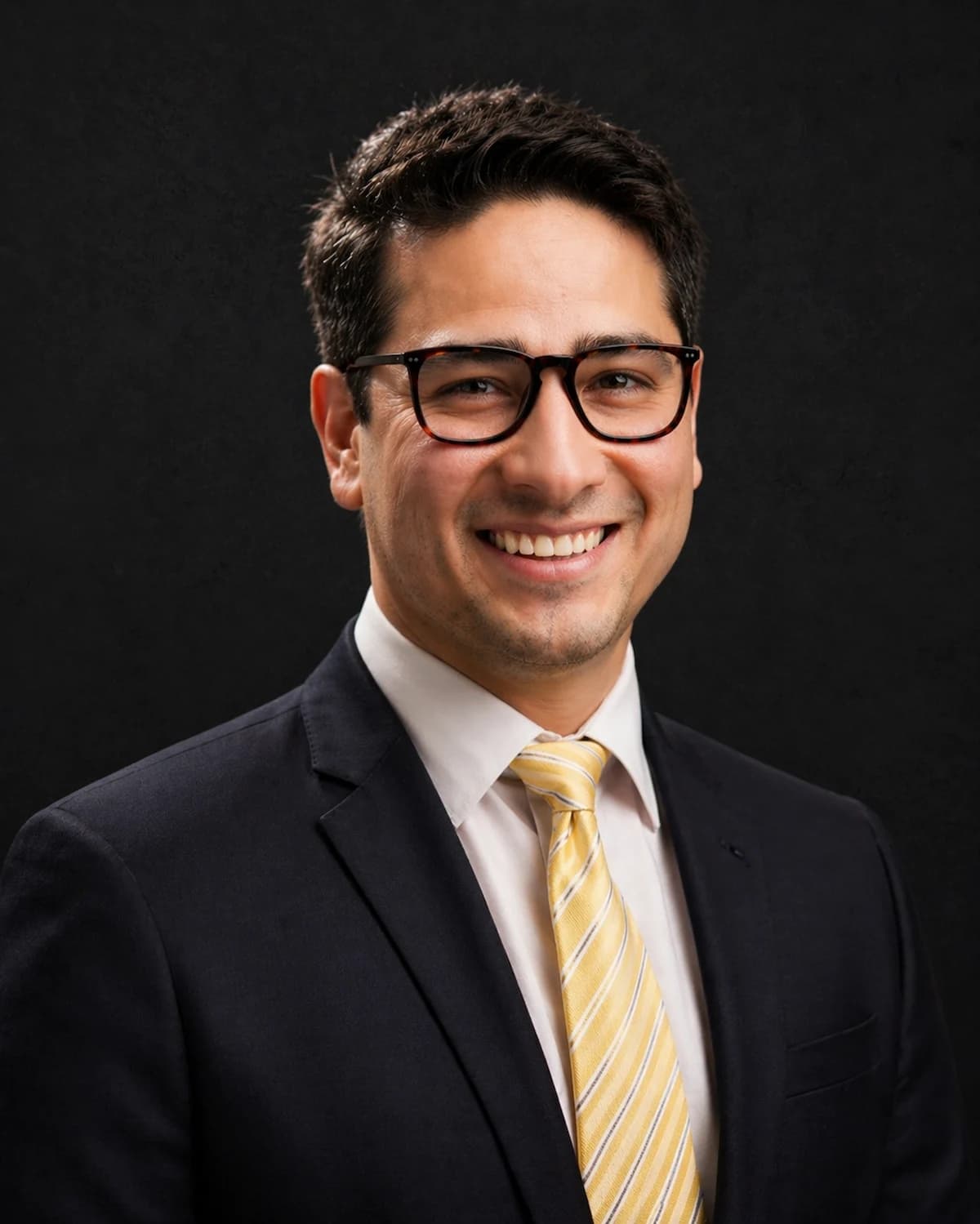
If brown spots or facial redness are making your complexion look uneven, the first step is confirming what those changes represent. Dr. Ruben Castro can determine whether IPL with the Harmony XL platform, fractional Pixel CO2 resurfacing, a 35% TCA peel, or another plan best matches your skin and recovery goals in Newport Beach.