Microneedling with Nanofat
Improve skin texture and quality with collagen induction and nanofat.
What Is Microneedling with Nanofat?
Microneedling with nanofat combines two regenerative treatments to improve the quality of the skin. Microneedling, also called collagen induction therapy, uses fine needles to create tiny channels in the skin that trigger natural collagen and elastin production. Nanofat is a small amount of the patient's own fat, harvested by gentle liposuction and mechanically processed into a liquid rich in regenerative cells rather than volume. Applied into the freshly needled skin, the nanofat delivers those cells where they can help improve texture, tone, fine lines, and overall skin quality. It treats skin quality rather than adding volume or lifting.
Schedule a Consultation
- Anesthesia
- Topical or local anesthesia
- Estimated Duration
- About 1 to 2 hours
- Downtime
- A few days
- Return to Work
- Many patients return to normal activity within a few days, as redness settles
Surgical Technique
A small amount of fat is harvested with gentle liposuction, often from the abdomen or thigh, and mechanically emulsified and filtered into nanofat, a liquid concentrate of regenerative cells with the fat cells removed. The skin is then treated with microneedling to create controlled microchannels, and the nanofat is applied into and onto that skin so the cells can reach the deeper layers. It is usually done under local or topical anesthesia. Because it uses your own tissue, there is no filler or foreign material, and the effect builds gradually as the skin remodels.
Who Is a Good Candidate for Microneedling with Nanofat?
Good candidates want to improve skin quality, texture, fine lines, or shallow scarring rather than add volume or lift sagging tissue, and they like the idea of a regenerative treatment using their own cells. It suits patients with dull or aging skin, acne scarring, or delicate areas such as under the eyes. It is not a substitute for a facelift when the issue is laxity, or for fillers when the issue is volume. Final recommendations depend on an in-person skin assessment and goals, and a series may be advised.
Recovery
Expect redness, mild swelling, and a sensation like a sunburn for a day or a few days, along with minor soreness at the small liposuction site. Makeup is usually resumed within a couple of days, and sun protection is important while the skin heals. Because it works by stimulating the skin to remodel, the improvement in texture and tone builds gradually over weeks to months, and a series of sessions is often recommended.
Days 1 to 3
Expect redness, mild swelling, and a sunburn-like feeling, plus minor soreness at the small liposuction site. Keep the skin clean and protected from sun.
Days 4 to 7
Redness settles and most patients resume makeup and normal activity. The skin may feel slightly dry or textured as it heals.
Weeks 2 to 6
The regenerative effect builds as the skin remodels, and texture and tone gradually improve. Continue daily sun protection.
Months 2 to 6
Improvement continues to develop and a repeat session may be planned to build on the result.
Microneedling with Nanofat Risks & Considerations
Microneedling with nanofat is generally well tolerated, but risks include redness, swelling, bruising, temporary breakouts, infection, and, in darker or reactive skin, temporary pigment changes. The small liposuction donor site can be sore or slightly irregular. Results build gradually and vary between patients, and more than one session is often needed. As with any procedure that crosses the skin barrier, careful technique and aftercare lower the risk of infection.
- Redness, swelling, or bruising
- Temporary breakouts or irritation
- Infection
- Temporary pigment change in darker or reactive skin
- Soreness at the small liposuction site
- Gradual, variable results
- Possible need for a series of sessions
Alternatives to Microneedling with Nanofat
Laser resurfacing treats texture, fine lines, and scars more aggressively with more downtime. IPL is better for brown spots and redness, which are color concerns. Chemical peels improve surface texture and tone. Standalone microneedling without nanofat is a simpler option. Microneedling with nanofat is chosen when a patient wants a gentle, regenerative approach that uses their own cells to improve skin quality, and it can be combined with other treatments in a plan.
Microneedling with Nanofat vs Laser Resurfacing
Both improve skin texture, but through different means. Microneedling with nanofat uses tiny needles and your own regenerative cells to stimulate the skin gently, with only a few days of redness. Laser resurfacing uses light energy to treat texture, lines, and scars more aggressively, with more downtime. Deeper texture or scarring may favor laser, while a gentle, regenerative approach favors microneedling with nanofat.
Laser ResurfacingMicroneedling with Nanofat vs IPL Photofacial
These treat different concerns. Microneedling with nanofat improves texture, fine lines, and overall skin quality. An IPL photofacial targets color, meaning brown spots and redness, using pulsed light. Patients with uneven tone and sun spots benefit from IPL, while patients focused on texture and skin quality benefit from microneedling with nanofat, and the two can be part of the same plan.
IPL PhotofacialMedical Sources
Microneedling with Nanofat - Frequently Asked Questions
- What does microneedling with nanofat do?
- It improves skin quality, texture, fine lines, and some shallow scarring by stimulating collagen and delivering regenerative cells from your own fat. It treats skin quality, not volume or sagging.
- What is nanofat?
- Nanofat is a small amount of your own fat that is harvested and mechanically processed into a liquid rich in regenerative cells, with the fat cells removed. It is used to stimulate the skin rather than to add volume.
- Is there downtime?
- Usually a few days of redness and mild swelling, similar to a sunburn, plus minor soreness at the small liposuction site. Most patients resume makeup within a couple of days.
- How many sessions will I need?
- Because the effect builds gradually as the skin remodels, a series of sessions is often recommended, with results improving over weeks to months.
- Is it the same as a filler?
- No. It uses your own cells to improve skin quality and does not add volume the way a filler does. It is a regenerative treatment, not a volumizer.
- Can it treat under-eye skin?
- It can help skin quality and fine texture in delicate areas such as under the eyes, though it does not remove eyelid bags, which is what lower eyelid surgery addresses.
Plan your visit
Explore financing options and patient resources as you prepare for your consultation. If you are visiting from out of town, use our travel guide to plan your trip and stay.
Ready to talk through your options?
Every plan begins with a conversation about your anatomy, your goals, and whether this is genuinely the right procedure for you.
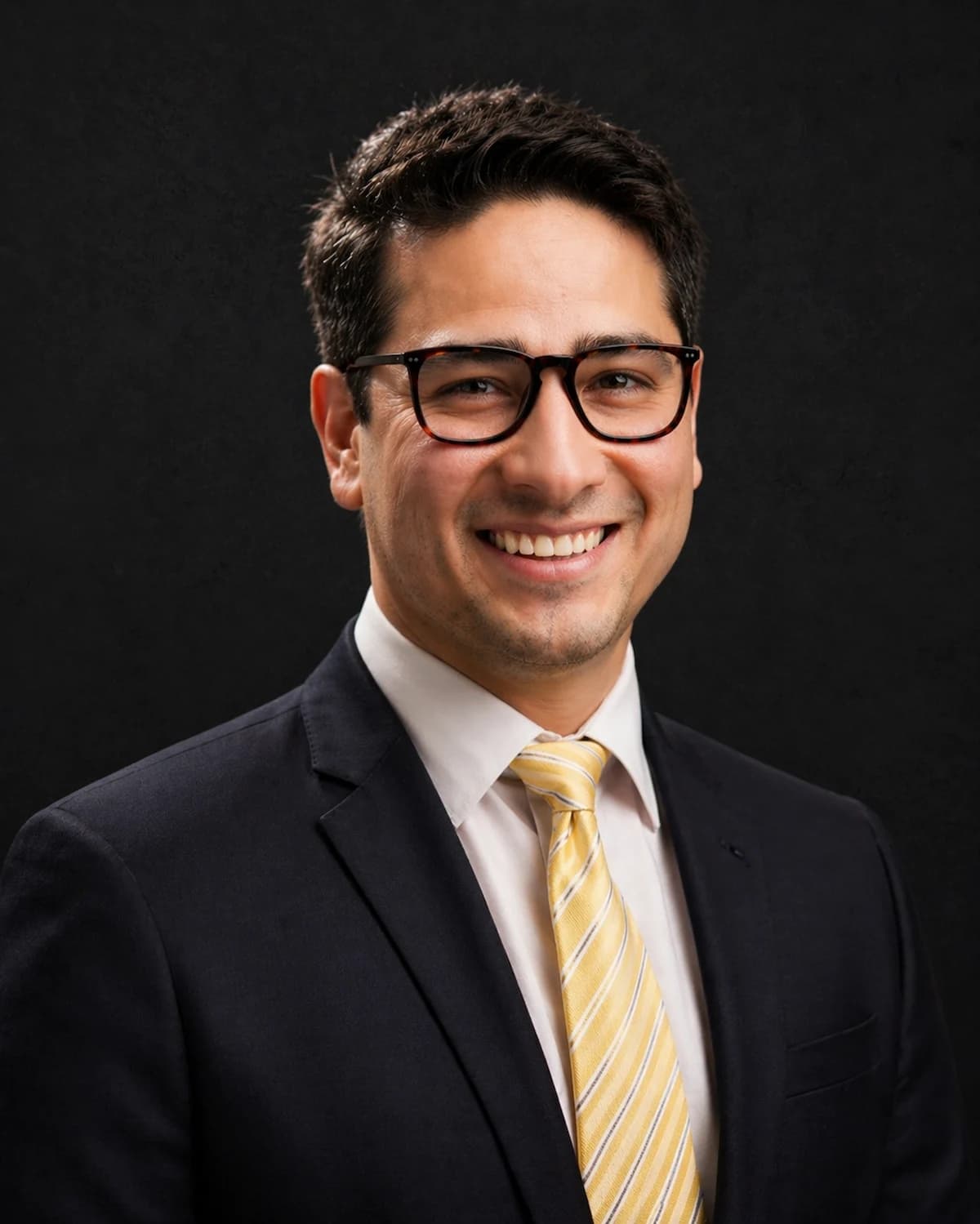
Schedule a ConsultationPerformed by Dr. Ruben Castro in Newport Beach, California