Microneedling with nanofat combines needling with a fine preparation of your own processed fat to improve skin quality: texture, fine lines, selected discoloration, and some scars. It does not add volume like filler, lift loose skin, or replace a facelift, and the evidence is promising but still developing.
Microneedling and nanofat are often grouped under the broad idea of skin regeneration, but they are not interchangeable. Microneedling creates controlled microscopic channels and a wound-healing response. Nanofat is processed from a patient's own harvested fat into a fine tissue preparation used for skin-quality applications rather than reliable volume replacement.
Combining them is intended to address texture and tissue quality through complementary mechanisms. Evidence is promising but still developing, and the treatment should not be described as a facelift, a permanent filler, or a guaranteed source of new collagen. A consultation for microneedling with nanofat should begin with the exact problem the patient wants to improve.
What is nanofat, and what is it not?
Nanofat begins with a small fat harvest, commonly from an area such as the abdomen or thigh. The tissue is processed mechanically into a fine preparation. Unlike conventional structural facial fat grafting, nanofat contains few intact mature fat cells capable of creating predictable projection. Its purpose is not to build a cheek or replace deep facial volume.
Research describes a mixture rich in stromal and vascular components, but terminology and preparation methods vary between studies. Claims about stem cells require restraint. The clinical literature does not support promising that a treatment will reverse aging, regenerate every tissue, or produce the same response in everyone. The most reasonable goals involve selected changes in skin texture, fine lines, discoloration, or scar quality, with uncertainty discussed openly.
What does microneedling add?
Microneedling uses sterile needles at a controlled depth to create small channels in the skin. The procedure has been studied for facial rejuvenation, acne scars, texture, and other dermatologic concerns. Most facial rejuvenation studies use a series rather than a single session, but protocols differ. Temporary redness, swelling, dryness, and sensitivity are common, while pigment change, infection, tram-track scarring, allergic reactions, and granulomatous responses are less common but important.
Depth and product selection matter. Not every topical substance is safe to introduce through freshly needled skin. Adding autologous nanofat also makes the visit more involved than standard microneedling because fat harvest introduces another treatment site, sterility requirements, bruising, and recovery considerations.
How does it compare with laser, peels, and filler?
A resurfacing laser uses light energy and can provide a stronger surface-remodeling effect for selected wrinkles, scars, and sun damage, usually with a different recovery profile. The guide to fractional CO2 laser resurfacing explains why depth, skin type, and downtime matter.
A chemical peel creates a controlled chemical injury at a chosen depth. Medium-depth treatment can address pigment and texture but has its own healing window and pigment risks. Our medium-depth TCA guide describes that distinction. Dermal fillers are designed primarily to add or shape volume, while nanofat is not a dependable substitute for that structural job. IPL, discussed in the photofacial guide, targets pigment and vessels rather than creating the same remodeling response.
The right choice may be one treatment, a sequence, or no procedure. More modalities do not automatically create a better result, and stacking energy, needles, chemicals, and biologic products can increase inflammation and risk.
What is recovery like?
After microneedling, the skin may look pink or red and feel warm, tight, dry, or mildly swollen. Nanofat harvest can add soreness, bruising, or swelling at the donor site. Tiny injection points and facial swelling may also occur. Patients should use only the cleanser, moisturizer, sun protection, and other products approved for their plan. Picking, harsh actives, unapproved topical products, heat, and heavy exercise may need temporary restriction.
Improvement, when it occurs, is gradual. Early plumping from swelling is not a final result. Texture and pigment need standardized photographs and enough follow-up to judge fairly. Some concerns require multiple sessions, while others may not respond sufficiently. Microneedling cannot remove loose skin, reposition deeper facial tissues, or reliably replace lost skeletal or fat support.
Call the office for worsening pain, spreading redness, pus, fever, blisters, a cold-sore flare, unusual discoloration, or symptoms that intensify rather than settle. A history of herpes, keloids, pigment problems, autoimmune disease, bleeding tendency, medication use, active acne, infection, or recent isotretinoin should be discussed before treatment.
Who is a good candidate?
Candidacy rests on diagnosis, skin type, scar pattern, medical history, healing tendency, available donor tissue, tolerance for downtime, and goals. It is not based on age alone. A patient with mild textural change may need a very different plan from someone with deep acne scars, significant laxity, melasma, active inflammation, or volume loss.
The treatment also requires acceptance of a minor fat-harvest procedure. Someone who wants no donor-site recovery may prefer standard microneedling or another option. Someone seeking true facial volume may need a separate discussion about structural fat grafting or filler.
Frequently Asked Questions
Is nanofat the same as filler? No. Filler is manufactured to provide a defined gel volume. Nanofat is autologous processed tissue used mainly for skin-quality goals and does not give equally predictable projection.
Is one session enough? It may be for a selected plan, but evidence and protocols vary. The number of sessions should be based on the concern, response, and safety rather than a preset package.
Can it tighten loose facial skin? It may support modest changes in skin quality, but it cannot reliably reposition significant laxity or substitute for surgical lifting.
Is there a risk of pigmentation? Post-inflammatory pigment change can follow microneedling, especially in susceptible skin or after excessive inflammation and sun exposure. Conservative settings and aftercare matter.
Find out whether your concern is skin quality
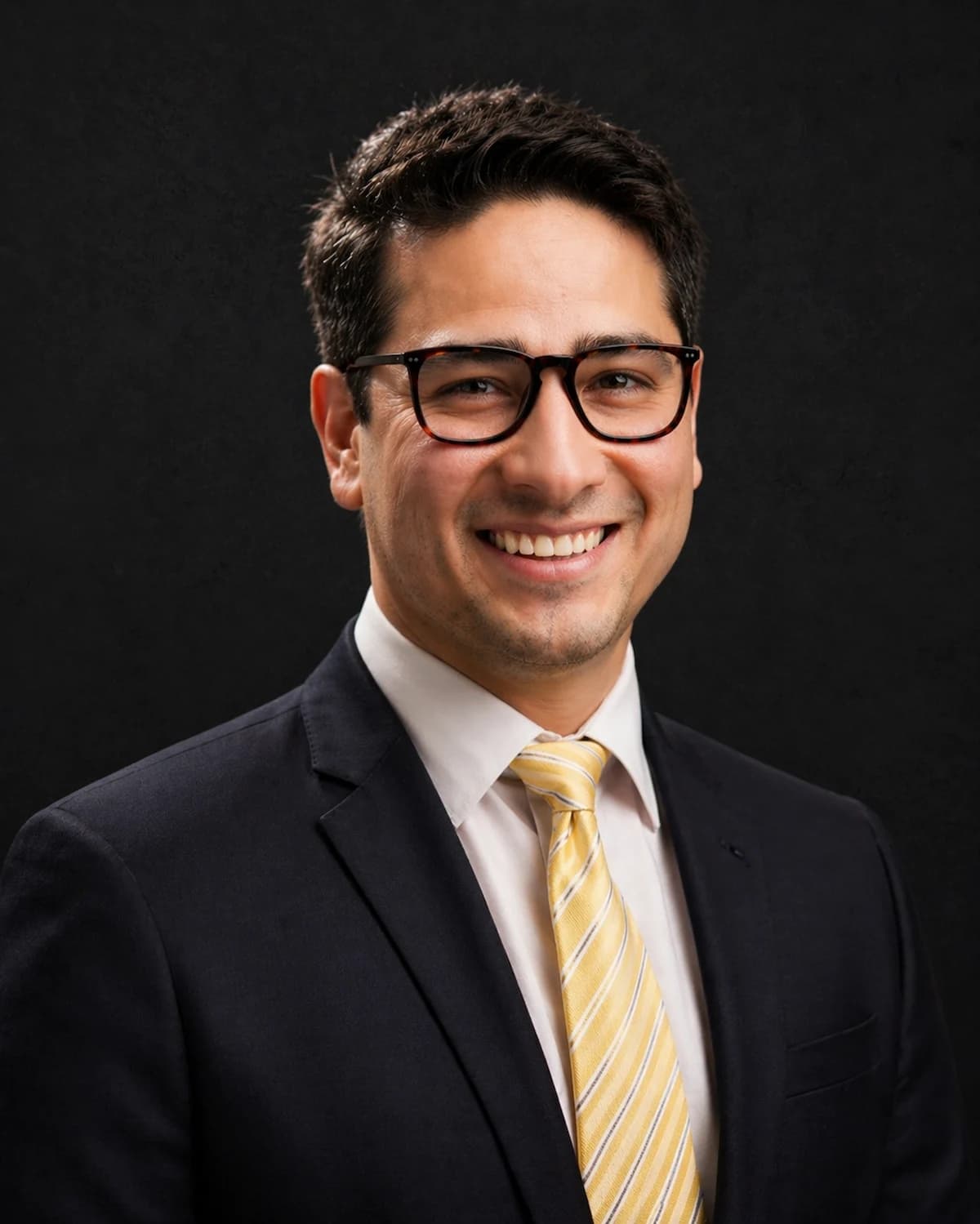
If you are unsure whether your concern is texture, pigment, scarring, laxity, or volume, an examination can name it first. Dr. Ruben Castro can distinguish texture, pigment, scarring, laxity, and volume loss during a private Newport Beach consultation, then explain whether microneedling with nanofat fits that diagnosis. The conversation should include preparation method, donor site, expected recovery, alternatives, and the limitations of current evidence. The aim is measured improvement in skin quality while preserving natural texture, not an overtreated or artificially smooth appearance.