Rhinoplasty in Newport Beach
Refine nasal contours to achieve facial harmony.
What Is a Rhinoplasty?
Rhinoplasty changes nasal shape and can also improve breathing when structure is the problem. Whether correcting a structural issue for breathing or refining the cosmetic shape of the tip or bridge, we utilize precise, structural techniques to ensure a result that looks natural and functions perfectly.
Schedule a Consultation
- Anesthesia
- General anesthesia
- Estimated Duration
- 2.5–4 hours
- Downtime
- 10–14 days
- Return to Work
- Most patients return to desk work within ten to fourteen days. Strenuous activity is restricted for four weeks. Contact sports are avoided for three months.
Surgical Technique
Rhinoplasty can be performed with an open or closed approach depending on the changes needed. Open rhinoplasty uses a small incision under the nose connected to incisions inside the nostrils, which gives the surgeon more visibility for complex reshaping. Closed rhinoplasty uses incisions hidden inside the nose and may be appropriate for more limited changes. A bridge bump can be reduced, cartilage can be reshaped or reinforced, and the tip can be refined with precise stitches and grafts when needed. If the nasal bones need narrowing, controlled bone cuts may be used. Septum work can be performed at the same time to improve breathing or provide cartilage for support.
Who Is a Good Candidate for Rhinoplasty?
Rhinoplasty is a good fit for adults with a fully developed nose and clear cosmetic or breathing goals. Common concerns include a bridge bump, tip shape, nasal width, asymmetry, or nasal blockage from septal deviation. Good candidates are in stable physical and emotional health and understand that swelling improves gradually, with final refinement often taking a year or longer.
- Nasal shape that feels out of balance with the rest of the face
- A bridge bump or irregularity
- A bulbous, drooping, or asymmetric nasal tip
- Breathing concerns such as a deviated septum
Recovery
An external nasal splint is worn for about seven to ten days after rhinoplasty. Bruising around the eyes and nasal swelling usually peak within three to five days and improve significantly over the first two weeks. Splint removal at one to two weeks is an important milestone, but the nose is still swollen at that stage. Residual swelling, especially in the nasal tip, continues to improve over six to twelve months. Contact sports and activities that could injure the nose are avoided for about three months.
Acute Phase
Nasal splint worn. Significant bruising around the eyes and swelling. Head elevation and cold compresses reduce swelling. Breathing through the mouth expected.
Splint Removal and Social Recovery
Splint removed. Bruising resolved or concealable. Return to work and social activities. Early nasal shape visible with residual swelling.
Progressive Refinement
Nasal swelling continues to diminish monthly. Nasal tip refines progressively. Most social situations comfortable.
Final Result
Final nasal shape fully apparent. Tip refinement complete. Skin fully draped over new structural framework.
Rhinoplasty Risks & Considerations
Rhinoplasty has a higher revision rate than many cosmetic procedures because swelling, scar tissue, and cartilage healing can be difficult to predict. Risks include prolonged swelling, asymmetry, breathing changes, infection, visible scarring in an open approach, over-resection causing a pinched look, and septal perforation, which is a rare hole in the nasal septum. Structural techniques that add support can reduce the risk of long-term collapse or distortion, but revision may still be needed in some patients.
- Prolonged swelling, especially in the nasal tip
- Asymmetry
- Breathing changes
- Need for revision rhinoplasty
- Infection
- Visible scar under the nose in open rhinoplasty
- Septal perforation (rare hole in the nasal septum)
- Over-resection causing a pinched appearance
Alternatives to Rhinoplasty
Non-surgical rhinoplasty with filler can temporarily smooth small contour irregularities or camouflage a low bridge, but it cannot make the nose smaller, narrow the nasal bones, or improve breathing. Septoplasty may be appropriate when the main issue is breathing from a deviated septum without cosmetic goals. Surgical rhinoplasty is usually needed for structural reshaping, hump reduction, tip refinement, or functional correction.
Rhinoplasty Patient Guides
Medical Sources
Rhinoplasty - Frequently Asked Questions
- How long does swelling last after rhinoplasty?
- While the majority of swelling resolves in the first month, the final refinement of the nasal tip can continue for up to a year.
- What is the difference between open and closed rhinoplasty?
- Open rhinoplasty uses a small incision on the columella for maximum visibility in complex cases, while closed rhinoplasty involves incisions entirely inside the nostrils.
- Is the procedure painful?
- Most patients describe the recovery as a feeling of congestion rather than significant pain. Discomfort is typically managed with mild medication.
- Will I need packing inside my nose?
- Dr. Castro typically utilizes advanced internal splinting techniques that often eliminate the need for traditional, uncomfortable nasal packing.
- Can rhinoplasty improve my breathing?
- Yes. Functional rhinoplasty can address a deviated septum or enlarged turbinates to improve airflow while simultaneously refining the nasal shape.
Plan your visit
Explore financing options and patient resources as you prepare for your consultation. If you are visiting from out of town, use our travel guide to plan your trip and stay.
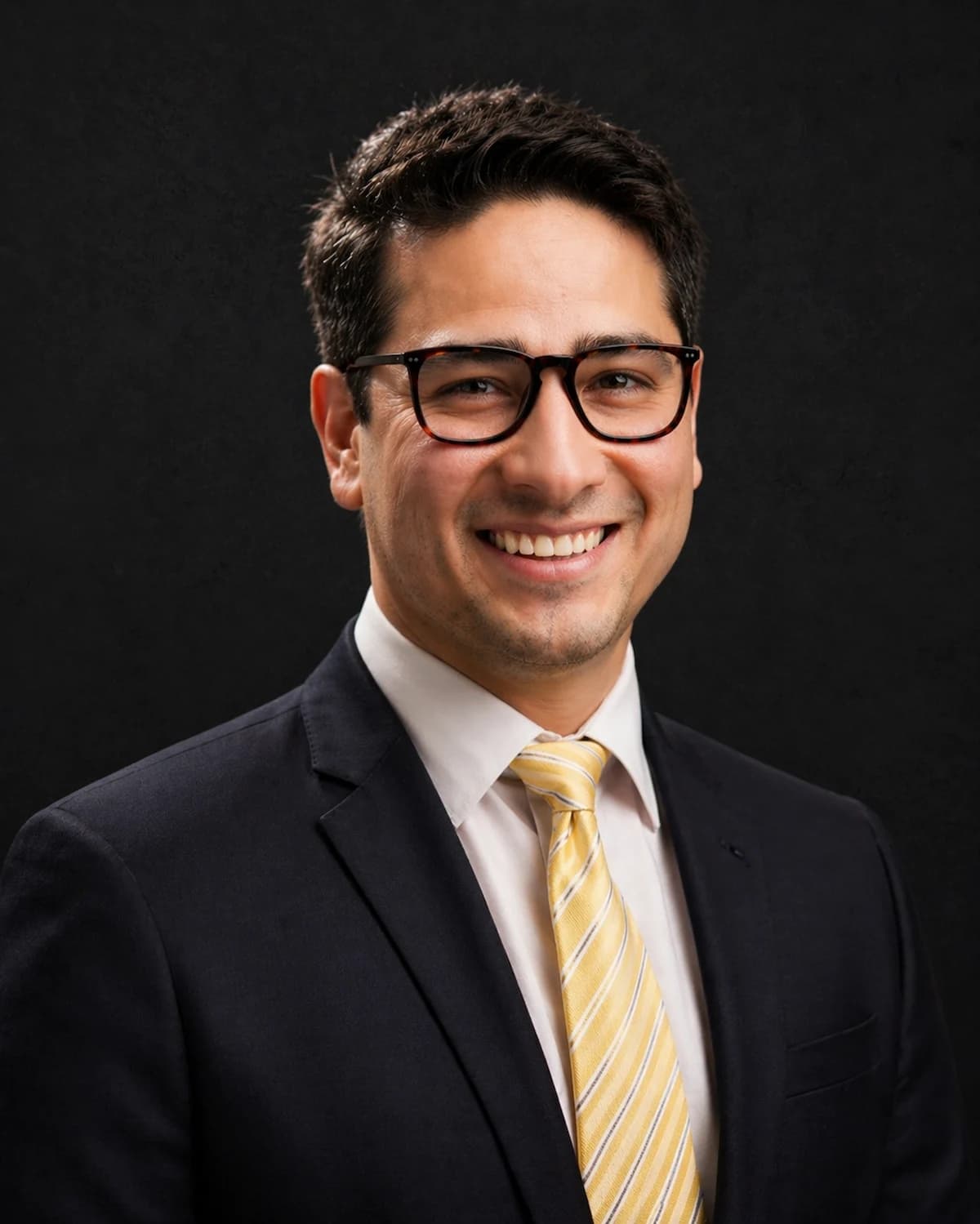
Ready to talk through your options?
Every plan begins with a conversation about your anatomy, your goals, and whether this is genuinely the right procedure for you.
Schedule a ConsultationPerformed by Dr. Ruben Castro in Newport Beach, California