You expected to stop thinking about your nose after surgery, but something still draws your attention. Perhaps the tip looks uneven, the bridge feels irregular, or breathing is worse. Those concerns deserve an assessment, even when another operation is not yet appropriate. Revision rhinoplasty begins by separating an urgent problem, an evolving healing change, and a stable structural issue. Each calls for a different response.
Why the second operation is different
After surgery, scar tissue changes how layers separate and how skin moves over the framework. Cartilage may have been removed, repositioned, or used for grafts. Blood supply and the flexibility of the skin envelope also deserve attention. A small visible irregularity can therefore require more planning than a larger change in a previously unoperated nose.
The ASPS revision overview discusses altered anatomy and possible graft needs. If septal cartilage is limited, other sources may be considered, each with its own tradeoffs. More surgery is not simply a chance to repeat the original plan more forcefully.
Why waiting often improves the decision
Swelling can conceal contours, exaggerate asymmetry, and make the tip feel unusually firm. Scar tissue continues to change after bruising has resolved. For a stable cosmetic concern, surgeons often wait approximately a year, sometimes longer, before major revision so the tissues and assessment are more reliable. That is a planning range, not a rule to apply without an examination.
You do not need to wait a year to ask for help. Worsening obstruction, persistent drainage, increasing redness, severe pain, or skin changes deserve earlier medical attention. Severe breathing difficulty or a sudden vision problem warrants emergency care. Timing an elective revision is different from deciding when a symptom should be assessed.
Identify the structure behind the concern
A crooked appearance may involve bones, cartilage, the septum, or uneven soft tissue. A tip that changes with smiling raises questions about movement and support. Breathing complaints require airway assessment, not only a profile photograph. The consultation should connect each concern with a plausible cause and explain what is still uncertain.
Bring the original operative report, earlier photographs, and information about grafts, implants, or injections if available. Records cannot remove all uncertainty, but they help avoid guessing about previous work. Describe symptoms in your own words and identify your main priority instead of asking for every small irregularity to be corrected at once.
Revision has limits and another recovery
The goal may be better support, improved balance, or a more limited correction than you first imagined. Perfect symmetry and restoration of the original nose cannot be promised. Sometimes observation or declining further surgery offers a better balance than pursuing a subtle change with disproportionate risk.
Recovery can include prolonged swelling, particularly at the tip. Additional graft donor sites may also need care. Male rhinoplasty revision requires the same attention to individual proportions and healing. Review the written surgical estimate and follow-up responsibilities before committing. Consultations and procedures here are private pay, and the practice is not contracted with insurance plans.
Are you a candidate?
Appropriate health, healed tissue, realistic goals, and a correctable structural concern matter more than age alone. A consultation can be useful during recovery even when surgery must wait. The assessment should leave you understanding both the possible benefit and what another operation could make more difficult.
Frequently Asked Questions
Can a revision be smaller than my first surgery? Sometimes, but a small concern can still involve complex support or scar tissue. The examination determines the scope.
Can filler solve the problem while I wait? Do not assume so. Nasal injections have serious vascular risks and can complicate assessment. Discuss any proposed treatment with your surgeon first.
Does waiting mean my concern is being dismissed? It should not. A good observation plan includes follow-up and clear reasons for waiting, with symptoms that should trigger earlier review.
Schedule a Consultation in Newport Beach
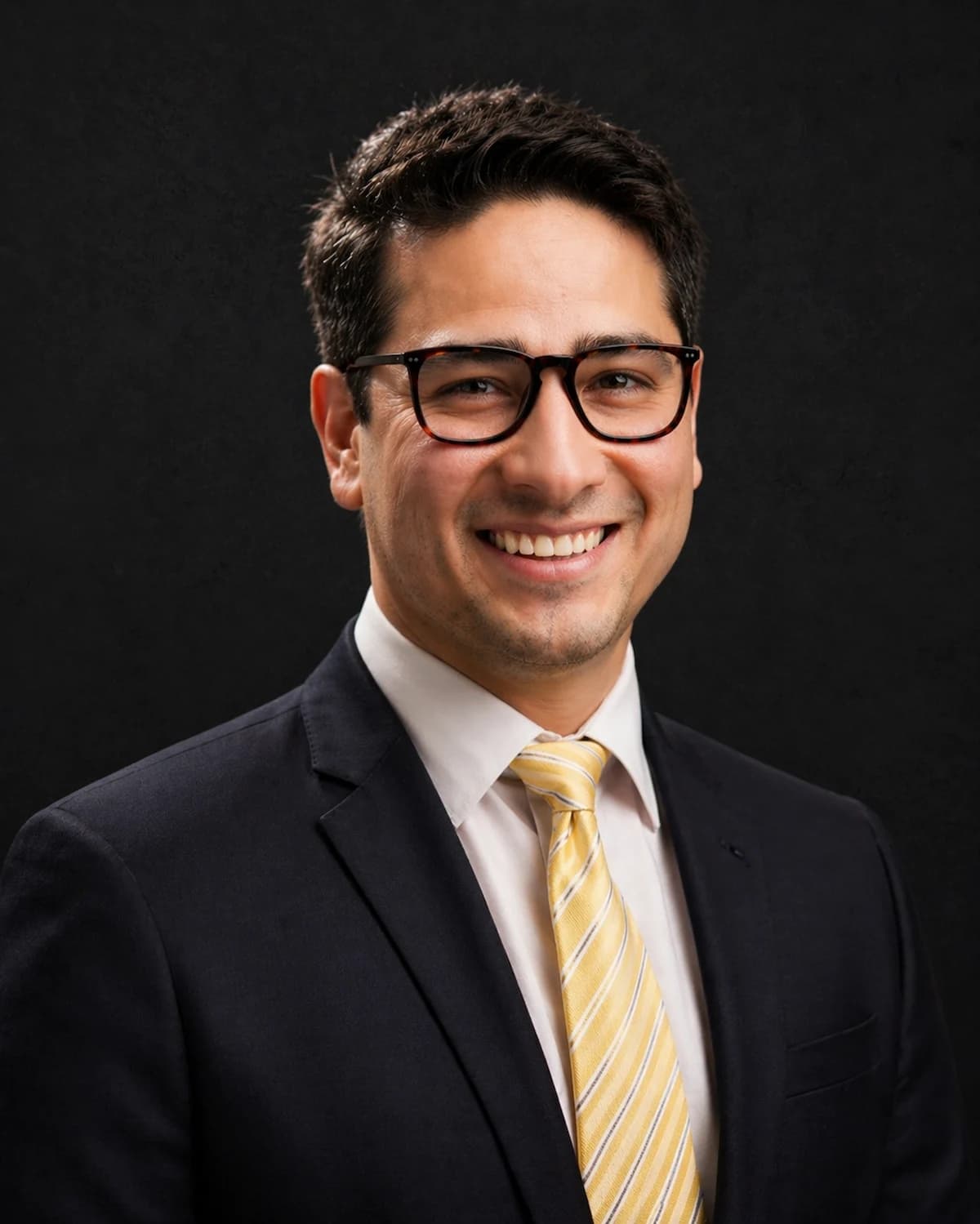
Dr. Ruben Castro can assess your healing stage and nasal concerns in Newport Beach. Bring your records and questions so the conversation can address whether observation, further evaluation, or revision planning is the appropriate next step.