A Brazilian butt lift, or BBL, combines liposuction with fat transfer to the buttocks. It has received intense safety scrutiny because fat entering large gluteal veins can travel to the lungs and cause a fatal embolism. Modern safety guidance changed the operation in a fundamental way: injected fat should remain above the muscle in the subcutaneous tissue, and real-time ultrasound can help the surgeon confirm the cannula tip stays in the intended layer. These measures reduce risk, but they do not make a BBL risk free.
Why intramuscular injection was dangerous
Large veins run within and beneath the gluteal muscles. If a cannula injures a vein while fat is delivered under pressure, fat can enter the circulation. The major safety response was not a cosmetic preference. It was a change in depth. Current multisociety guidance supports subcutaneous-only placement rather than injecting into muscle. The surgeon must understand the tissue thickness and keep control of the cannula path. A patient should be able to ask clearly where fat will be placed and receive a direct answer.
What ultrasound adds during injection
Real-time ultrasound allows the operating surgeon to see the cannula in relation to the fascia and muscle while fat is delivered. It is different from a scan performed before or after the operation. Evidence is still developing, but recent systematic review data associate ultrasound guidance and subcutaneous-only placement with improved safety measures. Ultrasound is not a substitute for training, controlled technique, conservative volume, or emergency readiness. It is one layer in a broader system designed to prevent deep injection.
Safety begins before the operating room
A careful plan reviews medical conditions, clot risk, anemia, nutrition, medications, nicotine, weight stability, prior surgery, and the amount of liposuction proposed. The facility, anesthesia professional, postoperative monitoring, transfer plan, and surgeon's ability to manage complications all matter. The guide on safe liposuction limits explains why removal volume and combined procedures affect physiology. High-volume promises or pressure to combine an excessive scope should be treated cautiously.
A natural contour depends on the starting frame
A BBL does not simply create a chosen number or social-media silhouette. Pelvic width, ribcage, waist, existing fat distribution, skin elasticity, and available donor fat shape what is possible. Significant loose skin after weight loss may need a body lift discussion rather than more suction. Fat survival varies, and some transferred volume is expected to resorb. Asymmetry, contour irregularity, fat necrosis, infection, seroma, clotting events, and the need for revision remain possible.
Recovery and What to Expect
Recovery usually includes swelling and soreness at both donor and recipient sites, compression according to the operative plan, early walking, clot-prevention instructions, and limits on pressure and strenuous activity. Exact sitting and sleep instructions differ, so the operating surgeon's protocol should control. Shortness of breath, chest pain, fainting, confusion, rapid heart rate, one-sided leg swelling, severe pain, fever, or a concerning color change needs urgent evaluation. Travel and home support should be arranged before surgery, especially when the patient lives far from the facility.
Are You a Candidate?
Candidacy depends on stable health, enough appropriate donor fat, skin quality, realistic proportional goals, no nicotine exposure, and capacity to follow recovery restrictions. A BBL is not a weight-loss operation. Very low body fat may leave insufficient donor tissue, while higher body mass or medical risk can make elective surgery unsuitable. Recent major weight loss may require time for stabilization and nutritional assessment. Age alone is not decisive. The expected aesthetic benefit must be meaningful enough to justify a procedure with known serious risks.
Online education can help you ask better questions, but it cannot measure anatomy, review records, perform an examination, or calculate personal risk. Keep a written list of symptoms, prior treatments, medicines, medical conditions, work and caregiving duties, and the result you hope to achieve. Those details often change the recommendation more than a trend, technique name, or photograph found online.
Frequently Asked Questions
Does ultrasound make a BBL completely safe? No. It helps confirm cannula depth during injection, but it cannot eliminate anesthesia, clotting, infection, fluid, wound, or fat-transfer risks.
Can fat be placed into the muscle if only a little is used? Current safety guidance supports keeping injected fat in the subcutaneous plane above the muscle. A patient should not accept deep injection as a volume shortcut.
How much transferred fat will survive? Retention varies with biology, technique, pressure, and recovery. No exact percentage, size, or symmetry can be guaranteed.
Is a skinny BBL safer? A smaller transfer is not automatically safe. Depth, technique, liposuction scope, health, facility, and anesthesia standards still matter.
Schedule a Consultation in Newport Beach
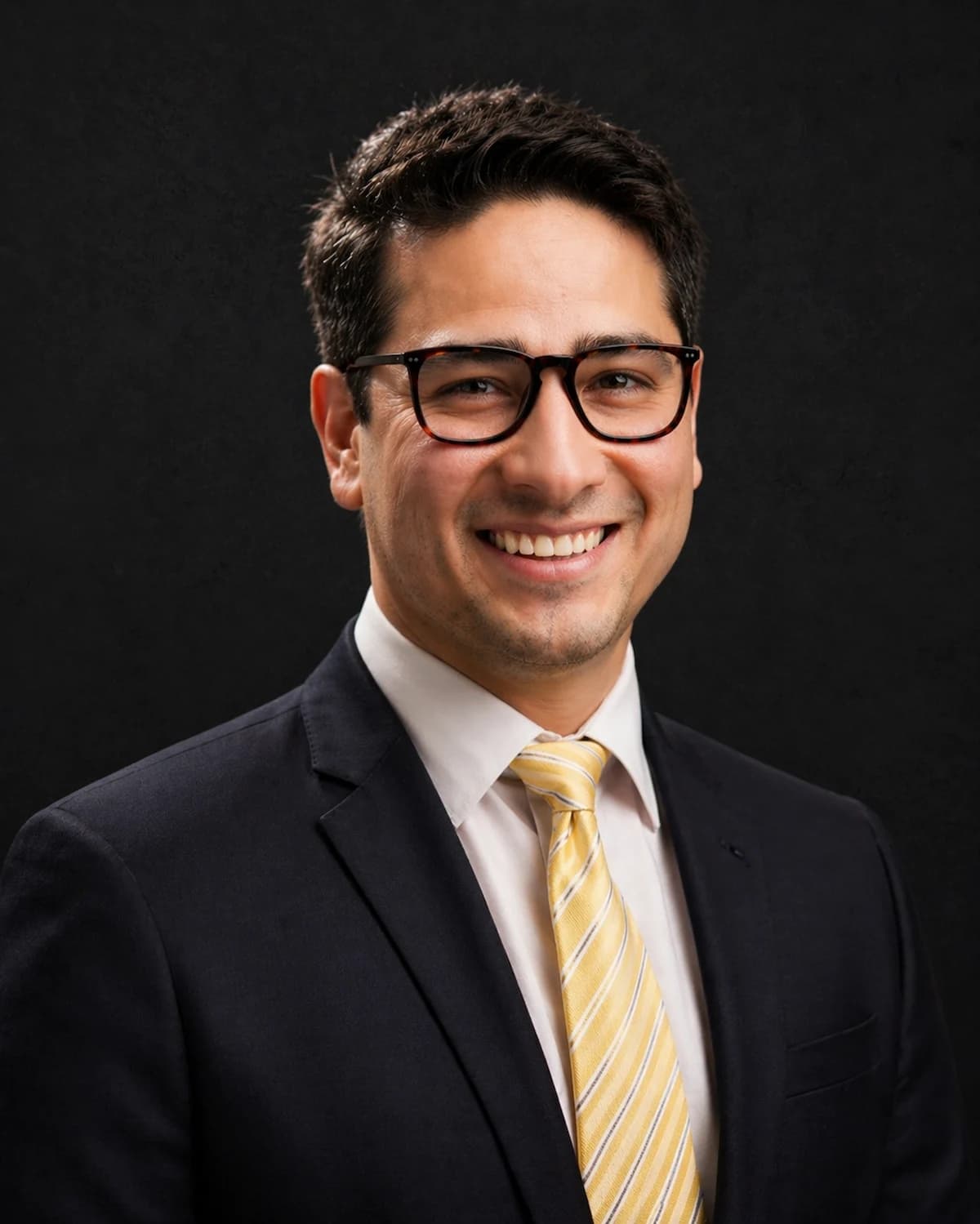
During a private Newport Beach consultation, Dr. Ruben Castro can evaluate body proportions, skin quality, donor areas, medical risk, and whether fat transfer belongs in a conservative contour plan. A tummy tuck or other procedure has different goals and should not be added simply for convenience. Review the practice's nicotine and healing guide and ask direct questions about injection plane, ultrasound, facility, anesthesia, aftercare, and emergency protocols before choosing surgery.