Loose skin after major weight loss often does not tighten fully on its own, because skin stretched over a long period loses much of its elastic recoil. Some retraction continues for months, and younger skin, smaller losses, and shorter periods of stretching tend to recover more. Hanging folds that persist once weight is stable usually need skin removal to change. The abdomen, breasts, upper arms, thighs, and back can be affected in different combinations, and each area needs its own plan.
Why does skin not snap back after weight loss?
The dermis contains collagen and elastic fibers that let skin stretch and recover. Prolonged stretching thins and damages those fibers, which is also why stretch marks form. The amount of weight lost, how long the skin was stretched, age, sun exposure, smoking, and genetics all influence how much recoil remains. Weight loss with GLP-1 medication does not change these principles and does not by itself determine which procedure is appropriate.
A body-contouring consultation maps the areas that bother you before choosing an operation. A fold of excess skin, residual fat, and abdominal-wall laxity are different findings; treating one does not automatically correct the others.
Can liposuction or nonsurgical tightening remove hanging skin?
Nonsurgical treatments may produce modest tightening in selected patients, but they do not remove a substantial hanging skin envelope. Liposuction reduces subcutaneous fat and may reveal more looseness when the skin has little recoil; the liposuction versus skin removal guide explains why. Surgery exchanges excess skin for permanent scars, so observation can also be a reasonable choice.
Which operation reaches the area that bothers you?
Each region needs its own assessment. An abdominal procedure does not treat upper-arm or breast laxity, and the reach of an incision should match the distribution of excess skin.
| Area | What usually hangs | Operation that reaches it | Where the scar usually sits |
|---|---|---|---|
| Lower abdomen | An apron of skin and fat | Tummy tuck or panniculectomy | Low across the abdomen |
| Waist, hips, and lower back | Folds that continue around the body | Body lift | Around the lower trunk |
| Upper arms | Skin hanging below the arm | Arm lift | Inner arm, sometimes toward the elbow or chest |
| Inner thighs | Folds that rub together | Thigh lift | Groin crease, sometimes down the inner thigh |
| Breasts | A deflated, lower breast | Breast lift, with or without implants | Around the areola and below |
| Bra line and upper back | Rolls beneath the bra strap | Depends on skin versus fat; needs its own assessment | Depends on the approach |
A body lift extends skin removal around the waist when excess continues onto the hips and back. The bra-line guide covers folds higher on the back.
- A tummy tuck removes abdominal skin and may include fascial tightening when abdominal-wall laxity warrants it. Plication is not needed in every patient and does not guarantee restored core strength or a flat abdomen. A panniculectomy primarily removes the hanging apron; it is not equivalent to a full tummy tuck. The body lift versus tummy tuck guide explains when skin excess extends around the waist.
- An arm lift removes selected hanging upper-arm skin. More extensive laxity usually needs a longer incision, sometimes extending toward the elbow or chest. The scar can remain visible with short sleeves or a raised arm.
- Thigh contouring may remove selected folds that rub together, but inner-thigh and outer-thigh laxity require different plans. Improvement in chafing is possible, not immediate or guaranteed; the operation also creates wounds that need time to heal.
- A breast lift reshapes the skin envelope and raises the breast and nipple position when appropriate. Implants may add volume when that is a separate goal, but they are not required for every deflated breast and introduce their own risks.
How long should I wait before planning skin removal?
Skin can continue to retract modestly for several months, and weight that is still changing makes any plan less reliable. Several months of stable weight is a common planning point, but stability does not prove adequate nutrition or prevent future revision. The evaluation also considers protein intake, deficiencies, medical conditions, nicotine, medications, and recovery support. Coordinate GLP-1 treatment with the prescribing and anesthesia teams rather than changing medication on your own.
Questions about skin removal after weight loss
- Can several areas be treated together? Sometimes, but combining operations lengthens that session and increases the amount of healing tissue. Health, clot risk, procedure extent, positioning, and help at home may favor separate stages. The post-weight-loss staging guide addresses the order of treatment.
- Where will the scars be located? Skin removal creates permanent scars. Placement may make them less conspicuous, but neither suturing technique nor clothing guarantees concealment. Scar length, widening, pigmentation, and individual healing should be discussed for each region.
- Can removing folds help chafing or rashes? It may reduce rubbing in the treated area, but rashes can have several causes and need appropriate evaluation and treatment. Skin removal does not guarantee that all irritation will resolve.
Map the excess skin before choosing a procedure
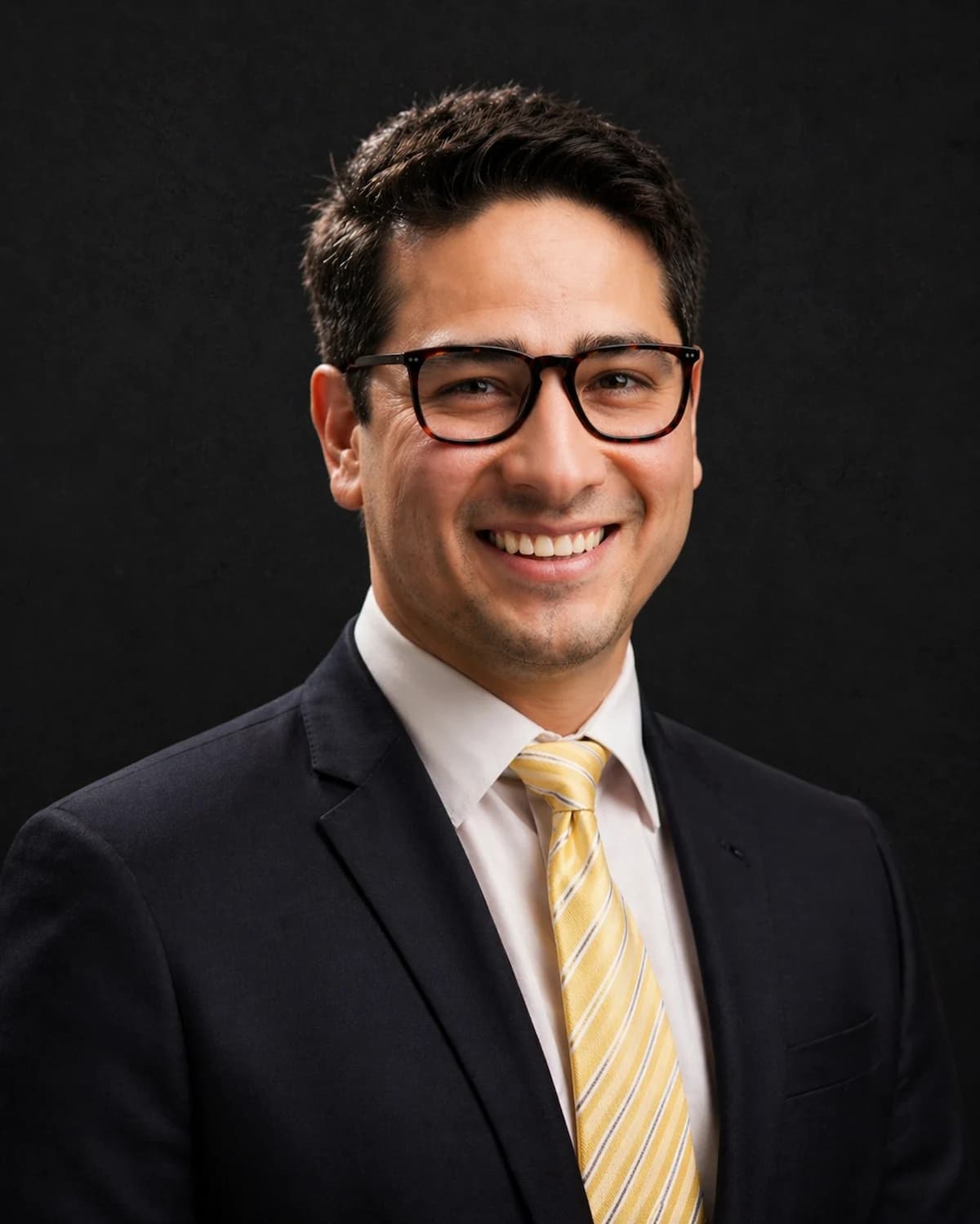
If you are unsure whether what remains is loose skin, residual fat, or both, and which area to treat first, an examination can map it. Bring your weight history and the areas that limit comfort or clothing choices. Dr. Ruben Castro can distinguish skin excess from residual fat, discuss which operations reach those areas, and compare the scars and recovery demands of a single-region or staged plan.