After meaningful weight loss, the upper arms may still look heavy even when overall body weight is stable. The remaining contour can come from residual fat, loose skin, or both. Liposuction treats fat. An arm lift removes skin. Choosing between them depends on the tissue, not the number on the scale.
Why Upper-Arm Skin Changes After Weight Loss
Skin expands as body volume increases. After weight loss, collagen and elastic fibers may not fully recoil, especially after a large or prolonged change. Genetics, age, sun exposure, stretch marks, smoking, and repeated weight cycling affect that response.
The upper arm is particularly visible in motion. Tissue that seems modest with the arms down may hang or swing when the arm is raised. The contour can also continue into the armpit, side of the chest, or upper back, which changes the incision and treatment plan.
When Liposuction May Be Enough
Liposuction may fit when the primary issue is a thick layer of localized fat and the skin still has useful recoil. The skin should not form a substantial hanging fold, and the patient should accept that contraction is gradual and limited by tissue quality.
Removing fat from an already deflated arm can worsen the apparent looseness. This is why the amount removed should respect the skin envelope. Small access incisions are an advantage, but they do not guarantee a smooth result when laxity is the dominant problem.
When an Arm Lift Is the Better Match
An arm lift, or brachioplasty, removes an ellipse of excess skin and underlying tissue. It is more appropriate when the skin hangs, folds, causes irritation, or remains loose despite stable weight and exercise. The procedure can improve circumference and reduce movement of the tissue, but it cannot create the muscle definition of strength training.
The central tradeoff is the scar. Limited laxity near the armpit may allow a shorter incision. More extensive skin excess usually requires a scar along the inner or back portion of the arm, sometimes extending from the armpit toward the elbow. If looseness continues onto the chest, the scar may need to extend accordingly.
Combining Liposuction with an Arm Lift
Many post-weight-loss arms contain both residual fat and excess skin. Liposuction can refine fullness while skin excision tightens the envelope. The amount and location of suction must preserve blood supply to the skin and closure. Combining techniques does not eliminate the scar and can increase swelling or healing demands.
A careful plan also considers symmetry, armpit shape, elbow fullness, prior scars, and how the arms rest against the body. The goal is a proportionate transition rather than an unnaturally narrow upper arm.
Timing After Weight Loss
Weight should be stable enough that the surgeon can plan around a durable contour. Nutrition is especially important after bariatric surgery or rapid medical weight loss because protein, iron, vitamin, and other deficiencies can interfere with healing. Nicotine significantly raises the risk of wound problems and skin loss.
Patients planning additional weight loss may be better served by waiting. Small later changes are normal, but a major drop after surgery can create recurrent looseness.
Recovery and Risks
Both procedures cause swelling and bruising, and compression may be recommended. An arm lift adds a long incision under tension. Early recovery emphasizes keeping the arms supported, protecting the closure, and avoiding lifting or forceful reaching. Desk work may be possible in roughly one to two weeks for some patients, while upper-body exercise is restricted longer.
Risks include bleeding, infection, fluid collection, delayed healing, wound separation, numbness, arm swelling, contour irregularity, asymmetry, thick or widened scars, blood clots, and revision. Scars continue to mature for a year or longer and cannot be erased.
Frequently Asked Questions
Can exercise tighten loose upper-arm skin? Exercise strengthens muscle and can improve proportion, but it does not remove an established fold of excess skin.
Can the arm-lift scar be hidden completely? No. It is positioned thoughtfully, but visibility depends on arm position, scar length, clothing, skin tone, and individual healing.
Should I wait after GLP-1 weight loss? Usually the weight should be stable and nutrition should be adequate before elective skin removal. Timing is individualized with the prescribing and surgical teams.
Schedule an Upper-Arm Contouring Consultation in Newport Beach
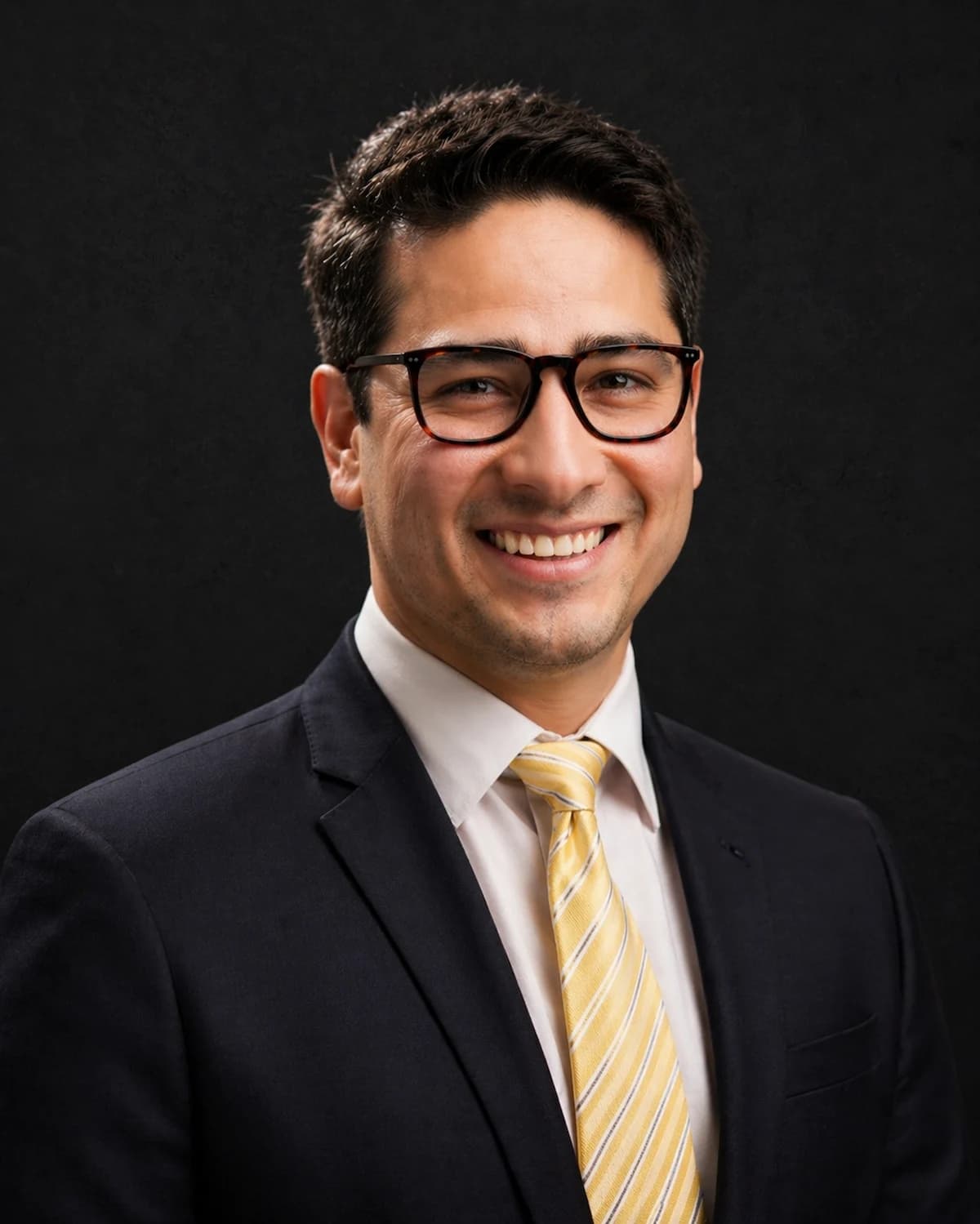
Dr. Ruben Castro can assess skin recoil, residual fat, the extent of laxity, and your tolerance for scars. The consultation should make the tradeoff clear: what liposuction can reduce, what it may expose, and what an arm lift can remove.