High-definition liposuction aims to shape fat around underlying muscle landmarks rather than simply reduce overall thickness. Done conservatively, it can reveal anatomy that is already present. Done too aggressively or on the wrong body, it can create rigid grooves, visible cannula tracks, asymmetry, or a contour that looks disconnected from the person's movement and build. Male liposuction should not stamp the same abdominal pattern onto everyone. A natural result starts with muscle, ribcage, pelvis, skin, and fat distribution, then removes only what the tissues can support.
Etching cannot manufacture muscle
Liposuction removes selected subcutaneous fat. It does not build rectus, oblique, chest, or back muscle, correct posture, or create fitness. A trained person with localized fat and visible underlying landmarks may show a clearer transition after surgery. Someone without muscle volume cannot receive a convincing six-pack by carving deep lines in the skin. The result should also make sense while sitting and moving, not only when flexing for a photograph. Nutrition and training remain separate parts of body composition.
Skin quality can decide whether definition looks smooth
After fat is removed, skin must adapt to a thinner layer. Good elasticity helps it follow the new contour. Loose, crepey, sun-damaged, or previously stretched skin may drape, ripple, or expose irregularities. Energy devices do not guarantee contraction. The guide on liposuction and loose skin explains why removing fat can reveal laxity. Significant abdominal excess may require a tummy tuck, while circumferential folds after weight loss may lead to a body lift conversation.
The artistic risk is over-definition
Natural muscular borders are not perfectly symmetric or equally deep. Aggressive superficial suction can create shelves, unnatural vertical lines, adhesions, burns with energy-assisted tools, pigment change, prolonged firmness, seroma, or visible waviness. Revision can be difficult because too little fat and internal scar are harder to correct than residual fullness. Conservative transitions across chest, abdomen, waist, back, and hips usually age better than isolated grooves. The goal is proportion, not maximum contrast.
Safety still follows the rules of liposuction
The label high definition does not remove fluid, anesthesia, clot, infection, blood loss, embolism, or contour risks. The amount treated, number of areas, facility, anesthesia team, compression plan, and postoperative mobility matter. Our safe-limits guide explains why liposuction is not weight loss. Combining treatment with gynecomastia surgery or another operation changes scope and recovery, so each added step needs its own indication.
Recovery and What to Expect
Swelling can hide definition at first, followed by periods of firmness, numbness, and unevenness as tissues settle. Compression, walking, incision care, and activity progression follow the specific operation. Many patients return to desk work before they return to heavy lifting or intense training. Final refinement takes months, not days. Shortness of breath, chest pain, fainting, one-sided leg swelling, fever, severe pain, spreading redness, fluid leakage, or a concerning skin color change requires prompt evaluation.
Are You a Candidate?
A strong candidate is near a stable, sustainable weight, has localized subcutaneous fat, visible or palpable muscular structure, reasonably elastic skin, stable health, no nicotine exposure, and realistic expectations. Candidacy depends on anatomy and goals, not age alone. Visceral fat inside the abdomen cannot be removed by liposuction, and significant loose skin may need excision. Body dysmorphic concerns, pressure to copy a filtered image, unstable weight, untreated medical disease, or inability to follow activity limits may make surgery inappropriate or premature.
Online education can help you ask better questions, but it cannot measure anatomy, review records, perform an examination, or calculate personal risk. Keep a written list of symptoms, prior treatments, medicines, medical conditions, work and caregiving duties, and the result you hope to achieve. Those details often change the recommendation more than a trend, technique name, or photograph found online.
Frequently Asked Questions
Will the result look etched all the time? A well-planned contour should soften naturally at rest and become clearer with muscle engagement. Exact appearance still depends on skin, swelling, body fat, and movement.
Can high-definition lipo give me a six-pack? It can reveal existing landmarks in selected patients, but it cannot create muscle or guarantee a specific number of visible segments.
Is it only for men? No, but contour goals and landmarks may differ. This article focuses on common male concerns and anatomy.
What happens if I gain weight? Remaining fat cells can enlarge and the contour can change. Stable habits help maintain proportion, but surgery does not prevent future weight change.
Schedule a Consultation in Newport Beach
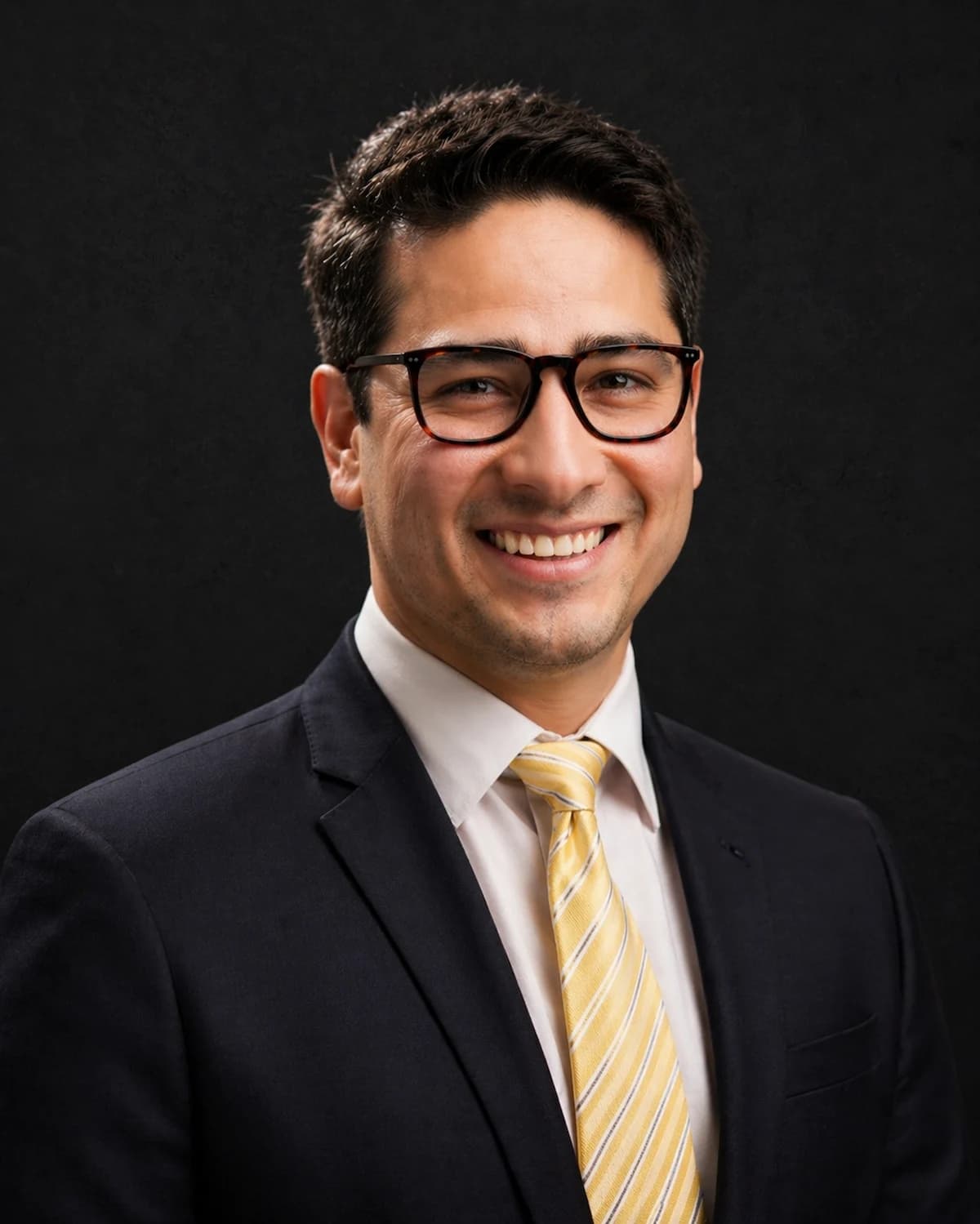
Dr. Ruben Castro evaluates torso anatomy standing, sitting, relaxed, and contracted during a private Newport Beach consultation. The plan may favor traditional liposuction, selective definition, skin removal, chest treatment, or no operation. Bring examples of what looks natural and what does not, but expect the final plan to follow your own structure. The most refined contour is not the one with the deepest lines. It is the one that looks believable in motion and belongs to the rest of the body.