Male Liposuction in Newport Beach
Define the torso and eliminate stubborn pockets of fat.
What Is Male Liposuction?
Male liposuction removes stubborn fat and defines the torso with a more athletic contour. We use specialized techniques to sculpt a more athletic, V-shaped torso.
Schedule a Consultation
- Anesthesia
- General anesthesia
- Estimated Duration
- 1.5–2.5 hours
- Downtime
- 7–10 days
- Return to Work
- Most men return to desk work within seven to ten days. Physically demanding work or gym-focused routines typically require three to four weeks.
Surgical Technique
Male liposuction uses the same numbing fluid and power-assisted fat removal techniques as standard liposuction, with adjustments for the denser, more fibrous fat often found in men. In high-definition cases, deeper fat is reduced first to establish the overall shape, followed by selective surface sculpting to define the abdomen and flanks. Chest fat can be treated through small, discreet openings near the armpit or under the breast fold. Access points are kept small and placed where they are hard to see. A compression vest is used after surgery.
Who Is a Good Candidate for Male Liposuction?
Male liposuction is a good fit for active men near their target weight who still carry stubborn fat in the abdomen, flanks, chest, or under the chin. Good skin elasticity helps the skin contract smoothly after fat removal. Men seeking high-definition results need stable weight, realistic expectations, and anatomy that can support sharper contouring. If firm chest gland tissue is present, gynecomastia surgery may be needed.
- Men near their goal weight with stubborn localized fat
- Desire for better definition in the abdomen, flanks, chest, or under the chin
- Good skin elasticity for cleaner contouring
- Interest in a more athletic torso or V-taper shape
Recovery
Male liposuction recovery follows the same general compression-garment plan as standard liposuction. A compression garment is worn for about four to six weeks to manage swelling and support the treated areas. Many men return to desk work within seven to ten days. Gym activity and vigorous exercise are usually restricted for about four weeks. High-definition contour changes become more visible as residual swelling resolves, often over three to six months.
Acute Recovery
Compression garment worn continuously. Significant swelling and bruising expected. Light walking encouraged from day one.
Return to Work
Return to desk work and daily activities. Swelling diminishing. Compression garment continues.
Activity Expansion
Light cardio and lower body training may resume. Core and upper body exercise cleared by surgeon at 4 weeks.
Final Definition
Full activity resumed. High-definition results fully visible as all swelling resolves over 3–6 months.
Male Liposuction Risks & Considerations
Male liposuction has risks similar to standard liposuction, including contour irregularities, loose skin, seroma, hematoma, infection, sensory changes, and the possible need for revision. Male fat can be denser and more fibrous, especially in the chest and flanks, which can make smooth fat removal more technically demanding. High-definition liposuction requires extra precision because surface irregularities can be more visible.
- Contour irregularities
- Loose skin
- Seroma (fluid buildup)
- Hematoma (blood collection)
- Infection
- Sensory changes
- Suboptimal definition requiring revision
Alternatives to Male Liposuction
Non-surgical fat-reduction or muscle-toning treatments may help men with small, localized concerns who want little downtime, but changes are usually modest. If chest fullness includes firm gland tissue, gynecomastia surgery may be needed in addition to or instead of liposuction. When loose skin is significant, skin tightening or skin removal may be part of the plan.
Medical Sources
Male Liposuction - Frequently Asked Questions
- Can this create "six-pack" abs?
- While it removes fat to reveal muscle, high-definition techniques can be used to further highlight natural abdominal contours.
- Is the recovery long?
- Most men return to light activities in a few days and full exercise within four weeks.
Plan your visit
Explore financing options and patient resources as you prepare for your consultation. If you are visiting from out of town, use our travel guide to plan your trip and stay.
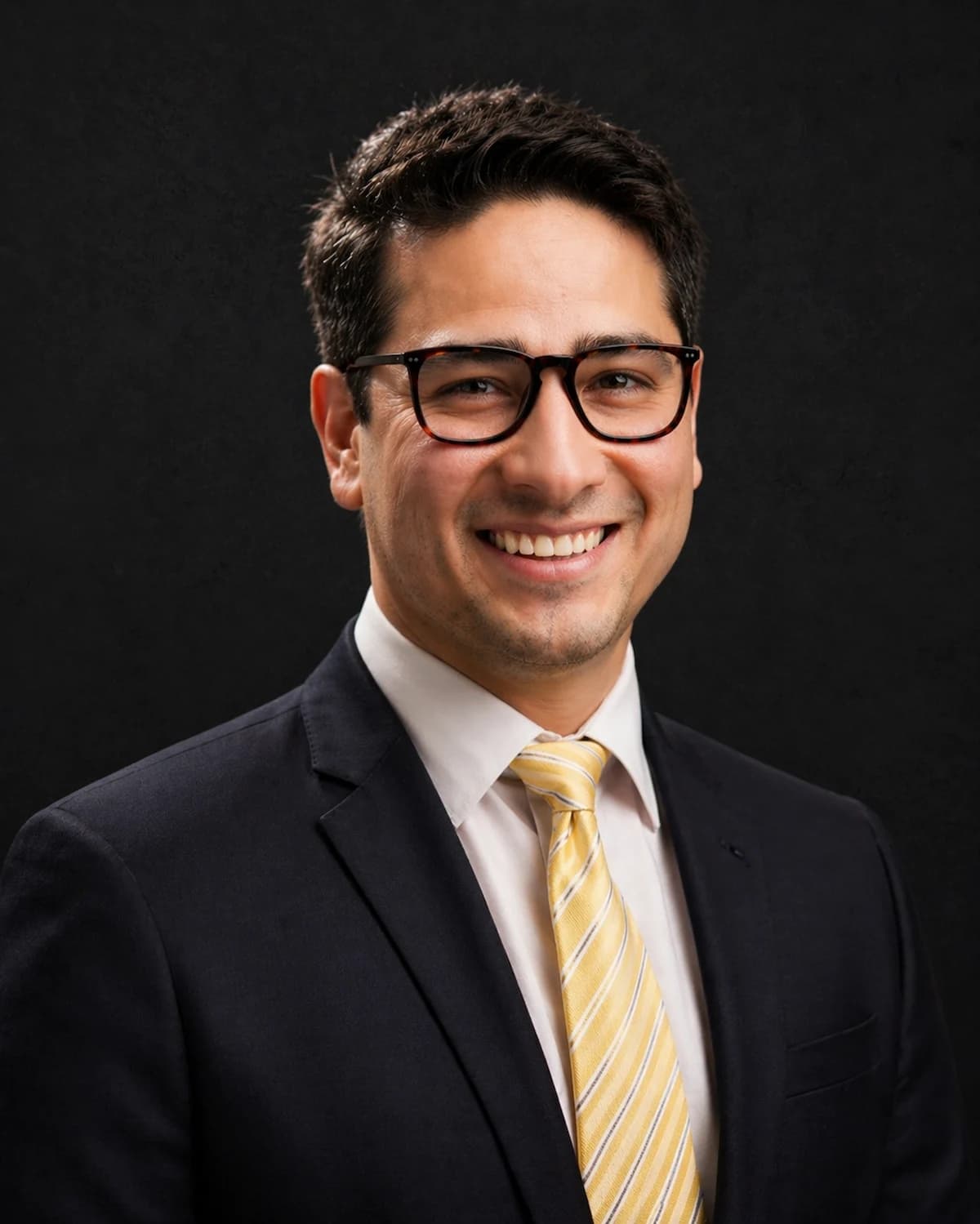
Ready to talk through your options?
Every plan begins with a conversation about your anatomy, your goals, and whether this is genuinely the right procedure for you.
Schedule a ConsultationPerformed by Dr. Ruben Castro in Newport Beach, California