The splint comes off, and the nose still looks wider than you expected. That can be unsettling, especially when the tip seems round or the two sides look different. After rhinoplasty, early appearance includes swelling, tissue stiffness, and the underlying surgical change. Those components settle on different schedules. A week-by-week outline is useful for planning, but it cannot replace your surgeon's instructions or tell you the final shape from one photograph.
Week one: protect the repair and keep follow-up appointments
Congestion, swelling, and bruising around the nose or eyes are common early experiences. Depending on the operation, you may have an external splint, internal supports, or stitches needing follow-up. Do not remove these yourself. Use only the cleaning, medication, and positioning instructions provided by your team. Nose blowing, pressure from glasses, and accidental bumps deserve specific discussion before surgery.
Arrange help with transport and daily tasks. Gentle walking is different from exercise, bending repeatedly, or lifting. Increasing pain, persistent heavy bleeding, fever, or a concerning change in the skin should prompt contact with your surgical team. Severe breathing difficulty or a sudden vision change needs emergency assessment.
Week two: more presentable does not mean fully healed
Some patients feel ready for quiet desk work or limited social activity around one to two weeks, while others need longer. Bruising may be fading even though the tip remains swollen. A public-facing role, heavy work, or a long commute changes what return means. Give your surgeon a description of the actual job instead of asking only for a number of days off.
The nose may look unfamiliar when the splint is first removed. Comparing it daily with a carefully selected online result can make ordinary fluctuations feel like failure. Follow-up photographs taken consistently over time are more useful than repeated close-range selfies.
Weeks three through six: activity increases before refinement finishes
Visible swelling often improves during this phase, but exercise restrictions and protection from pressure may continue. Bone work, grafts, and the extent of tip surgery influence clearance. Do not restart strenuous activity, contact sports, or glasses resting on the bridge solely because bruising has disappeared. Ask when each activity is appropriate for your operation.
Residual asymmetry should be discussed at follow-up. In a previously crooked nose, the original anatomy and uneven swelling can both affect what you see. The office can decide whether observation or examination is needed; an online timeline cannot make that distinction.
Months two through twelve and beyond: the tip has its own pace
The ASPS recovery guidance notes that nasal refinement can take a year and swelling can fluctuate. Thicker skin and revision surgery may take longer. Early firmness or reduced tip definition does not automatically mean excess cartilage remains. Avoid self-directed massage, taping, or injections intended to speed the process.
Tip position and movement also reflect support and the operation performed. Our article on a tip that drops when smiling explains why movement is a separate question from swelling. Male rhinoplasty follows the same need for individualized healing assessment; preserving preferred proportions does not create a shorter biological recovery.
Planning candidacy around recovery
Health, nasal structure, skin quality, prior procedures, and realistic expectations matter more than age alone. Consider whether you can protect the nose and attend visits before selecting a surgery date. If a profile concern involves the chin as well, the nose and chin guide can help organize your consultation questions.
Frequently Asked Questions
Is a swollen tip at three months automatically a problem? No. It can be part of healing, but your surgeon should assess changes that concern you.
Can I tape my nose to make it smaller? Only use taping if your surgeon specifically recommends and demonstrates it. Pressure is not a substitute for a diagnosis.
When can I judge the final result? Usually after substantial healing over many months, often around a year or longer for complex cases. Your surgeon will identify the appropriate review point.
Schedule a Consultation in Newport Beach
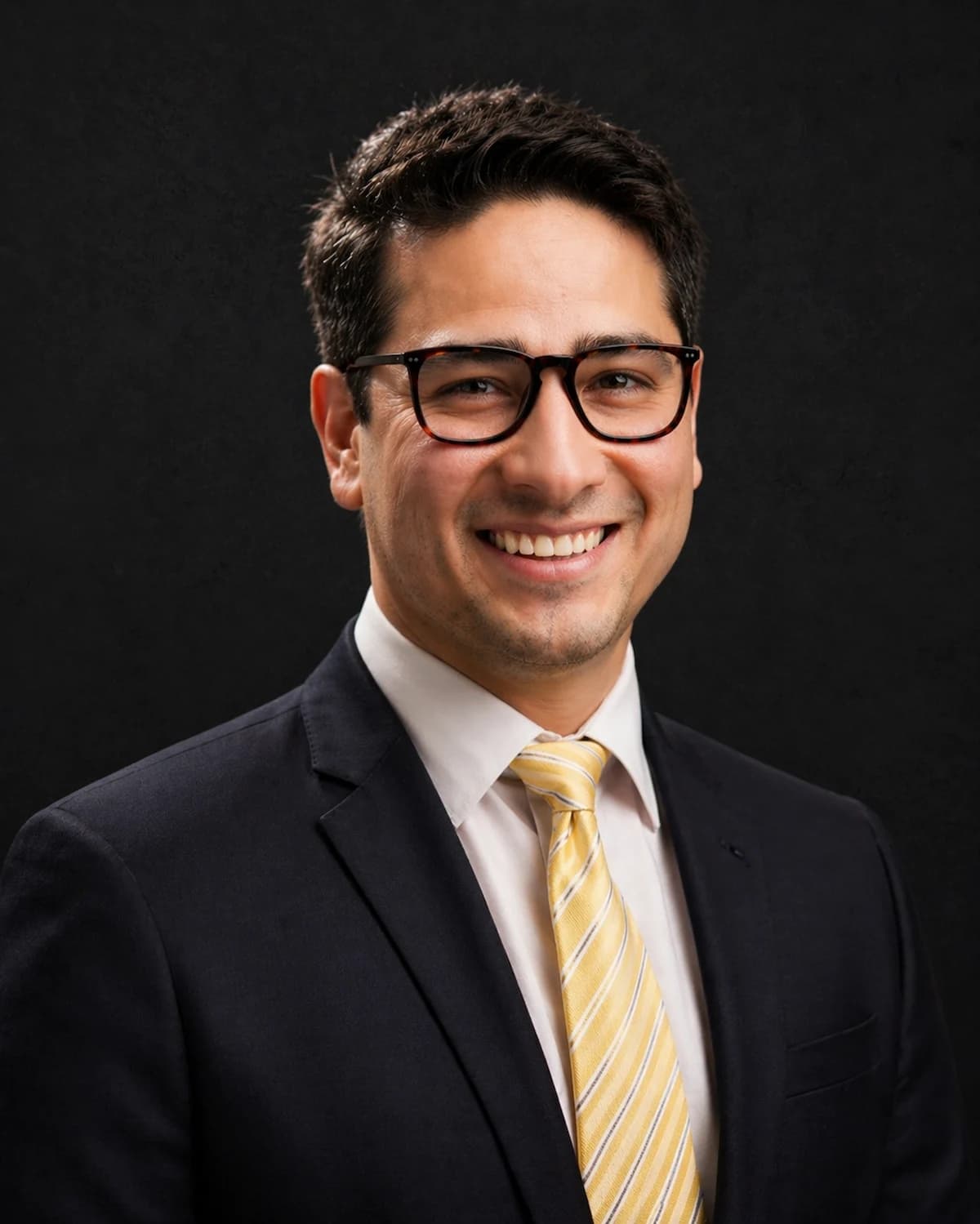
Discuss your nasal goals, work demands, and upcoming events with Dr. Ruben Castro in Newport Beach. A thoughtful plan includes the recovery calendar as well as the change you hope to see.