Around menopause, declining estrogen can contribute to thinner, less elastic skin, while ongoing aging, weight changes, and shifts in facial fat and support also alter the face. Hormone therapy may improve some measures of skin quality, but it does not lift descended tissue or rebuild every lost contour. The useful treatment decision separates skin, volume, and laxity rather than attributing every new facial change to hormones.
Which changes are skin, volume, and support?
Dryness, fine surface lines, and a more fragile feel are skin concerns. Hollow temples or cheeks suggest a volume question. Jowls and loose neck skin point toward descent and a skin envelope that no longer fits as tightly. Several can appear together, making the change feel sudden even though the processes have accumulated over time.
Photographs taken under similar conditions can help identify the pattern. A single unflattering image or a few mornings of puffiness do not establish what needs treatment. Our guide to facial changes across the decades provides broader context without making age a rule for surgery.
| What you notice | Main layer to assess | What may address it |
|---|---|---|
| Dryness and fine surface lines | Skin barrier and texture | Skin care and selected resurfacing |
| Hollow cheeks or temples | Volume and underlying support | Carefully selected volume restoration |
| Jowls or loose neck skin | Tissue descent and skin excess | Lifting assessment when the change justifies surgery |
| New persistent puffiness | Possible fluid, medication, or medical issue | Medical review before assuming it is cosmetic aging |
Can hormone therapy reverse facial aging?
A systematic review of menopausal hormone therapy and skin found improvement in measures including collagen content and skin thickness, while noting the need for better trials. Those findings do not establish a facelift effect or prove that hormone therapy should be prescribed solely to improve appearance.
The decision to use menopausal hormone therapy belongs with a clinician who can assess symptoms, medical history, formulation, and personal risks and benefits. A skin benefit is different from correcting a displaced fat compartment or removing extra skin. Do not start or increase hormones as a substitute for defining the facial concern.
Why does my face look heavier even if I have lost volume?
Fullness and hollowness can coexist. A hollow upper cheek can sit above a jowl, so the lower face looks heavier while the upper face looks less supported. Adding filler only where a fold looks deep may increase bulk without correcting the descent.
The article on facial volume loss explains that pattern. Facial fat grafting or other volume treatment may address selected hollow areas; a facelift addresses a different component. Neither is needed simply because menopause has occurred.
New or persistent swelling should not be dismissed as hormonal aging. Medication effects, allergies, thyroid problems, and other conditions can contribute and may need evaluation before aesthetic treatment.
Would skin treatment be enough?
Sometimes the main issue is texture or dryness, with little descent. In that case, an operation may not match the concern. Conversely, stronger skin care cannot reliably reposition a substantial jowl. The guide to skin care versus loose skin separates those limits.
Resurfacing also needs selection based on skin behavior, pigment risk, healing capacity, and goals. Menopause alone neither qualifies nor disqualifies you for a procedure. Overall health, tissue quality, and the value of the expected improvement matter more.
Should hormone therapy change before facial surgery?
Tell the surgeon and anesthesia team exactly what you use, including route and dose. Perioperative decisions depend on the formulation, clot history, planned procedure, and prescriber's advice. Do not stop therapy or copy another patient's medication schedule on your own.
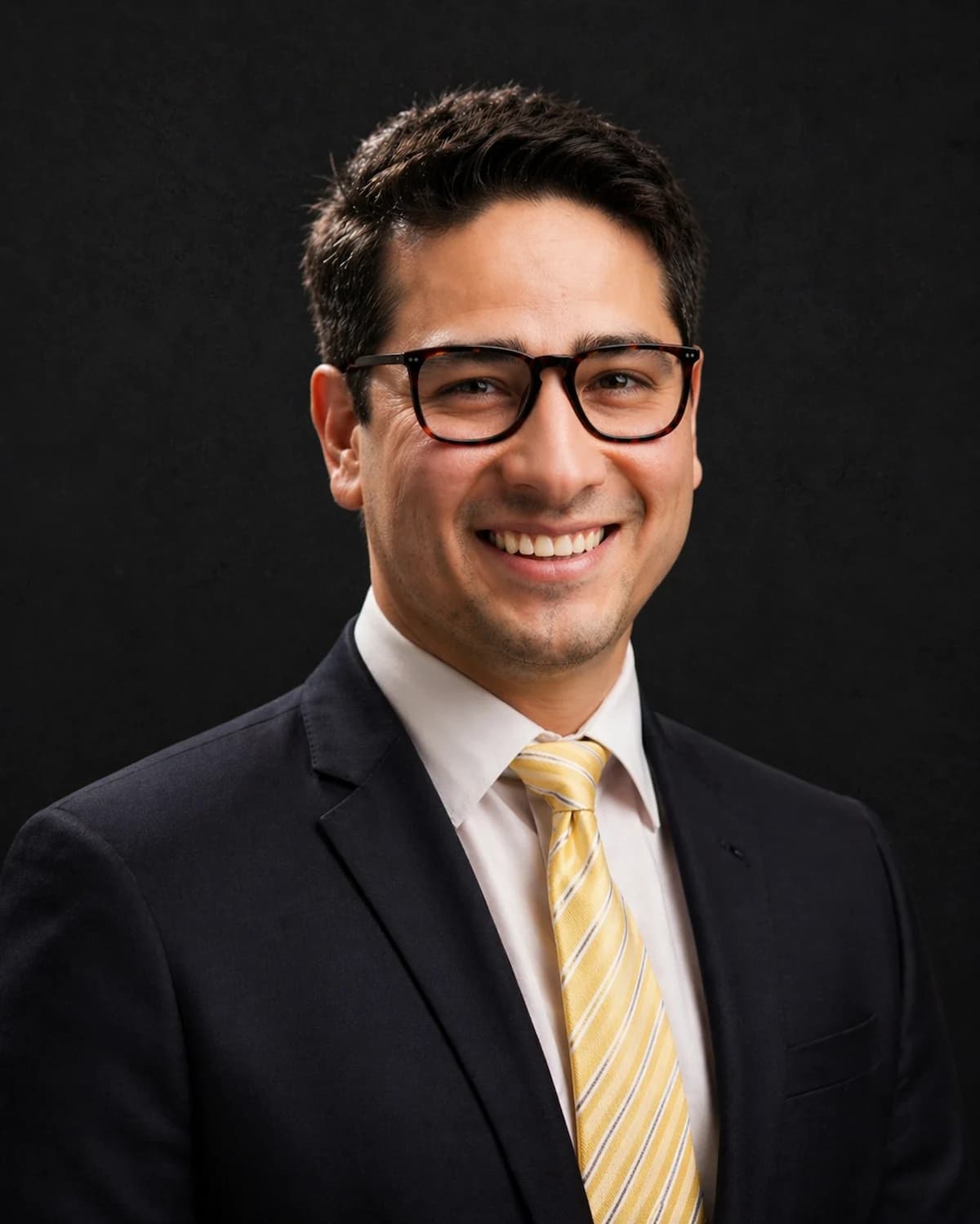
Dr. Ruben Castro can assess which facial layer is changing and coordinate relevant medication questions with your treating clinician. A focused examination can help you choose skin care, volume treatment, lifting, or observation based on the feature you want to improve, rather than on a menopause label.