Creams and neck wraps cannot tighten loose skin on the face or neck in a lasting way. Topical products can improve surface texture, fine lines, and pigment, and a wrap only compresses tissue while it is worn. Radiofrequency and ultrasound devices can produce modest tightening when laxity is mild. Jowls, a sagging neck, and folds of excess skin come from deeper descent and skin excess that none of these can reach.
Skin quality, volume loss, muscle activity, fat distribution, and structural descent are different problems. They may coexist, which is why treatment can become confusing.
| Concern | What can realistically help | What it will not do |
|---|---|---|
| Fine lines, spots, and rough texture | Skin care, peels, or laser resurfacing | Lift sagging tissue |
| Mild, early laxity | Radiofrequency or ultrasound devices | Remove a fold of skin |
| Hollow cheeks or temples | Filler or fat grafting | Tighten loose skin |
| Neck bands with good skin | Botulinum toxin in selected patients | Treat skin excess |
| Jowls or loose neck skin | Facelift or neck lift | Change surface texture |
What can skin care actually improve?
Sun protection and selected topical ingredients can support pigmentation, texture, and fine lines. Retinoids have meaningful evidence for photoaging, although irritation and tolerance vary. Moisturizers can improve hydration and make fine creasing less visible. None of these products removes a jowl or repositions loose neck skin.
A wrap can temporarily compress soft tissue, much like a snug garment. It does not create durable ligament support. Photographs taken immediately after removing it may overstate the effect.
Can radiofrequency or ultrasound tighten loose skin?
Radiofrequency and microfocused ultrasound can produce modest tightening in selected patients by delivering controlled energy into tissue. Results vary with device, depth, anatomy, settings, and operator. These treatments are most useful when expectations are measured and laxity is limited.
More energy is not automatically better. Burns, pigment change, unwanted fat loss, nerve irritation, and scarring are possible. A person with significant descent may spend repeatedly on small improvements while postponing a more direct discussion of facelift or neck lift options.
Can Botox or filler lift loose skin?
Botulinum toxin reduces selected muscle activity. Fillers can support or camouflage particular contours. Neither removes excess skin. Too much filler can make a descending face look heavier. Our guide to when Botox and filler stop being enough describes the point at which adding volume no longer solves the central problem.
Some patients benefit from a combined plan: excellent skin care, conservative resurfacing, limited injectables, and structural surgery only where necessary. The comparison of facelift, filler, and fat grafting helps separate their roles.
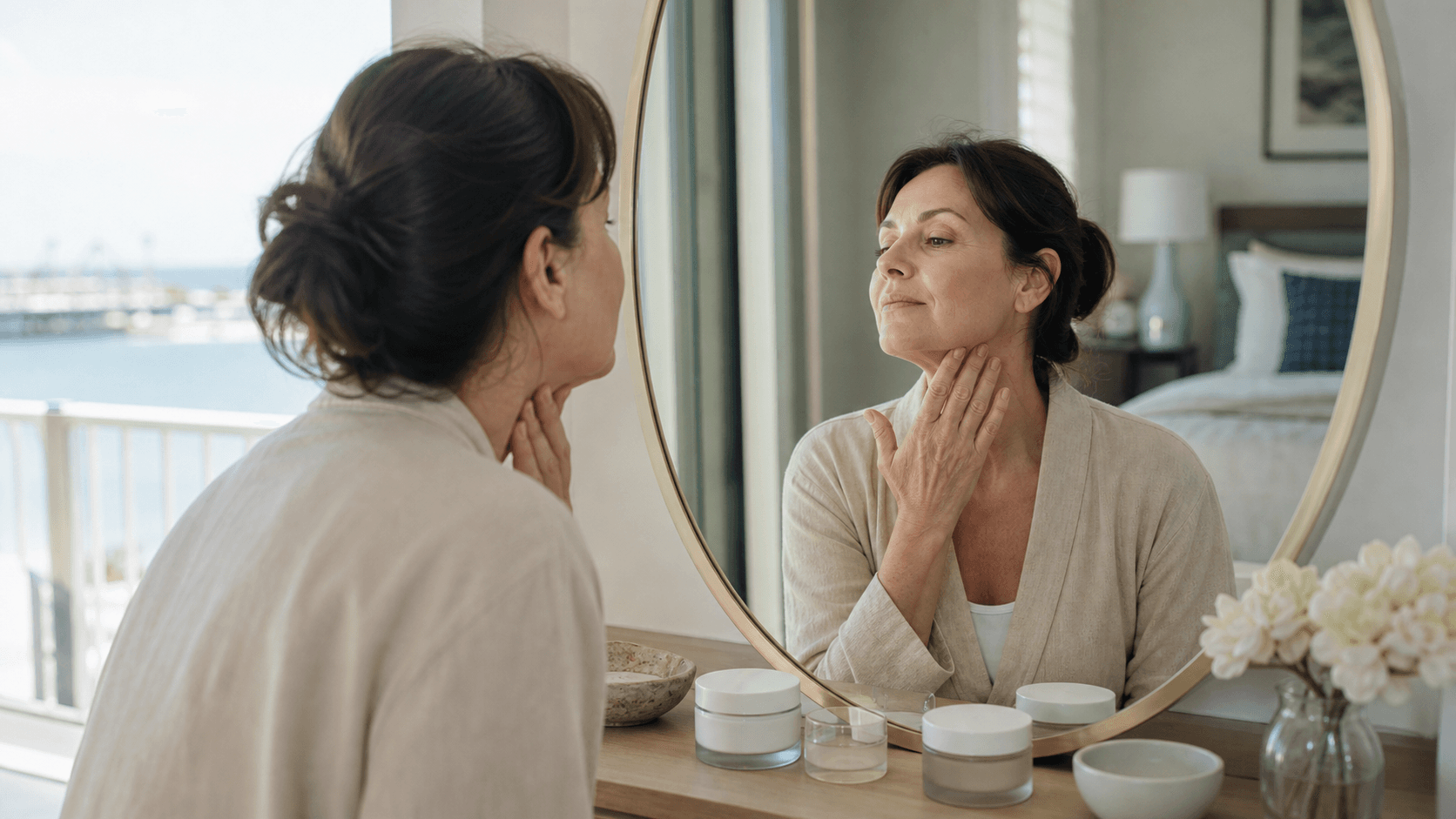
How can the mirror help you name the problem?
Notice whether the concern is brown spots, fine texture, a fold that improves when the cheek is repositioned, a soft pocket under the chin, or loose skin that gathers at the neck. This observation helps the consultation, but self-testing cannot replace an examination. Avoid buying a procedure solely because a social media demonstration resembles your reflection.
Frequently Asked Questions
Can a cream tighten my neck? It may improve hydration and fine surface texture. It cannot reliably remove meaningful skin excess or reposition deeper tissue.
Will radiofrequency delay a facelift? It may provide enough improvement for someone with mild laxity, but it does not stop aging. Prior energy treatment can also affect tissue planes, so disclose it during a surgical consultation.
Is surgery the only honest answer for loose skin? No. Observation is valid, and modest nonoperative improvement may be worthwhile. The honest answer is to match the scale of treatment to the scale of the concern.
Match the treatment to the scale of the concern
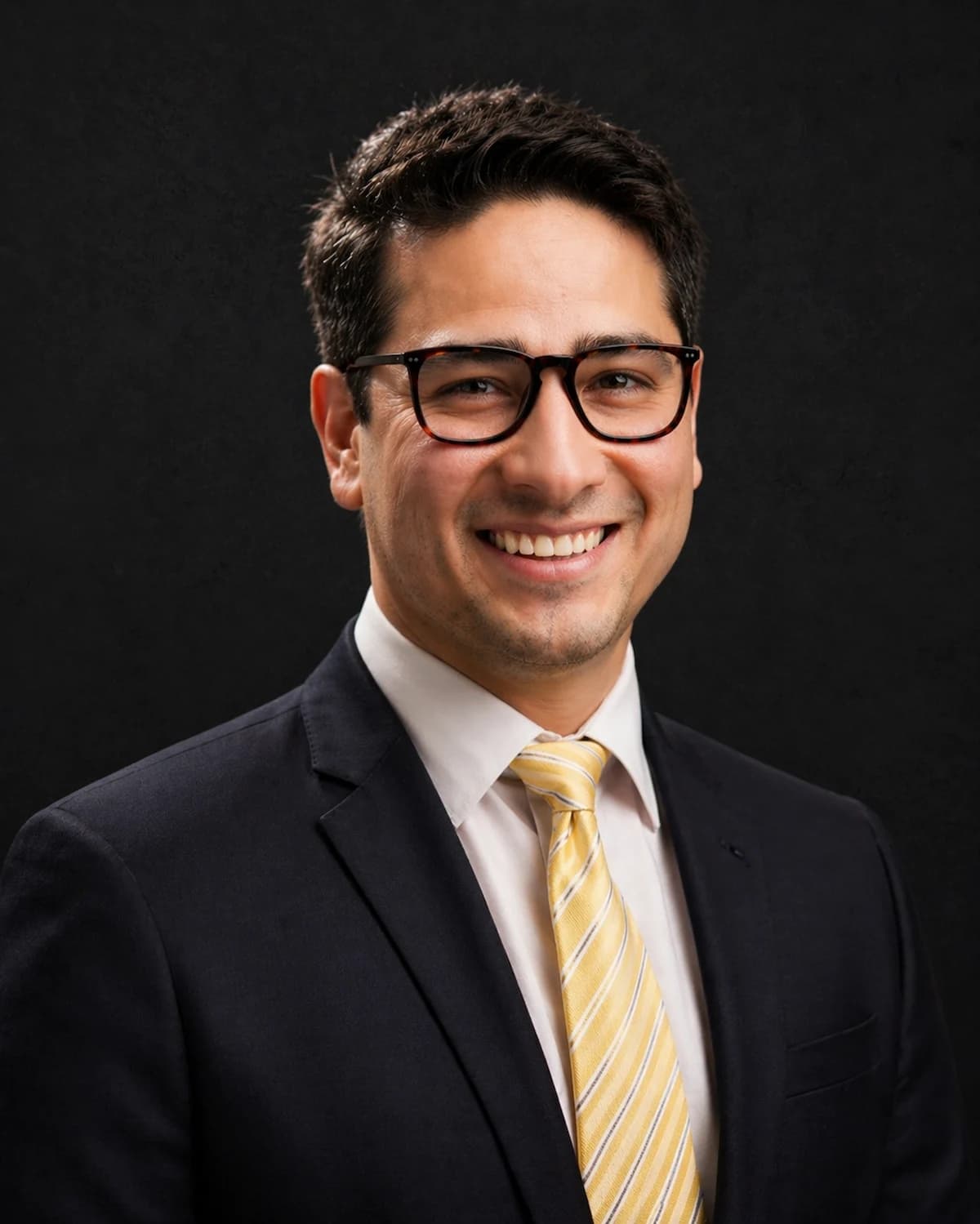
If you are unsure whether your concern is the skin surface, mild laxity, volume, or descent, an examination can separate them. During a consultation in Newport Beach, Dr. Ruben Castro evaluates skin, fat, volume, muscle, and structural support separately, so a skin treatment is not asked to perform a lift and a lift is not asked to correct every surface imperfection. The guide to what changes in your 40s, 50s, and 60s can help frame priorities. A sensible plan starts with the least invasive option that can realistically meet the goal, with a clear discussion of limitations and maintenance.