The phrase under-eye bags can describe several different contours. One patient has prominent orbital fat directly beneath the lashes. Another has a deep tear trough that makes normal fat look like a bag. Another has thin, wrinkled skin. A festoon sits lower, over the upper cheek, and may involve fluid, lax muscle, and stretched skin.
These concerns can overlap, but they are not interchangeable. Lower eyelid surgery is most effective when the operation matches the structure creating the shadow or bulge.
True Lower Eyelid Bags
The lower eyelid contains fat compartments behind a supporting layer called the orbital septum. With anatomy, time, and tissue changes, this fat can become more prominent and create a persistent convex bag. It often remains visible after a full night's sleep and may become more obvious when looking upward.
Lower blepharoplasty can approach this fat from inside the eyelid or through an incision just below the lashes. Fat may be conservatively reduced or repositioned over the orbital rim. Simply removing too much can exchange a bag for a hollow, skeletonized appearance, so preservation and redistribution are often as important as removal.
Tear Troughs and the Lid-Cheek Transition
The tear trough is a groove near the inner lower eyelid that can extend into the lid-cheek junction. It may reflect bone shape, ligament attachments, volume distribution, and cheek support. A trough creates a shadow, which can make adjacent fat look more prominent even when the bag is modest.
Fat repositioning during blepharoplasty can soften this transition in selected patients. Filler or fat grafting may help when hollowing is the main issue, but they add volume and do not remove a true bag or excess skin. The lower eyelid is unforgiving: filler can cause prolonged swelling, lumps, color change, or vascular complications, and not every hollow should be injected.
Loose Skin and Fine Wrinkles
Loose lower-eyelid skin can wrinkle at rest or bunch with smiling. A small, carefully measured skin removal may be added through an external incision. Resurfacing can improve fine texture without removing a large amount of skin. These choices depend on skin quality, eyelid tone, prior surgery, pigment risk, and the amount of laxity.
Removing too much skin can pull the lid downward, expose more of the white of the eye, or contribute to incomplete closure. The goal is not maximum removal. It is a smooth contour with a stable eyelid position.
Festoons Are Not Ordinary Eye Bags
Festoons, also called malar mounds in some contexts, sit over the upper cheek below the orbital rim. They may fluctuate with fluid retention and can include stretched skin and orbicularis muscle. Because they occupy a different anatomic space, standard lower blepharoplasty may not correct them and can sometimes make the contrast more noticeable.
Treatment is individualized and less predictable than treatment of isolated orbital fat. Options may include observation, management of factors that worsen swelling, resurfacing, direct treatment of the festoon, or a midface approach in selected cases. A surgeon should be candid about limits, scars, recurrence, and the possibility that improvement rather than complete removal is the realistic goal.
The Examination Matters
A lower-eyelid evaluation includes the ocular surface, dry-eye symptoms, vision history, prior filler and surgery, eyelid position and tone, cheek projection, skin quality, fat prominence, tear trough depth, and festoons. The lid is examined at rest, in upgaze, and while smiling. Photographs from youth can help distinguish lifelong anatomy from later change.
Patients with dry eye, thyroid eye disease, prominent eyes, weak lower-lid support, or previous eyelid surgery may need additional testing or a more conservative plan. Eyelid support at the outer corner may be recommended when laxity raises the risk of postoperative malposition.
Recovery and Risks
Bruising, swelling, tightness, dryness, and temporary blurred vision can occur after lower blepharoplasty. Many patients plan roughly two weeks before important social events, although residual swelling and contour refinement can continue for months. Contact lenses, exercise, and makeup are resumed according to healing and the surgeon's instructions.
Risks include bleeding, infection, dry eye, asymmetry, visible scars, persistent bags or hollowing, lid retraction, rounding of the eye, difficulty closing the eye, double vision, and the need for revision. Any severe eye pain or vision change after surgery requires urgent evaluation.
Frequently Asked Questions
Can lower blepharoplasty fix dark circles? It may improve shadows caused by bags or hollows. Pigment, visible vessels, thin skin, and allergies need different treatment and may remain.
Do festoons go away when eye bags are removed? Not reliably. Festoons sit lower on the cheek and often require a separate strategy.
Is filler safer than surgery? It avoids an operation but has its own risks and treats volume, not loose skin or true fat prolapse. The safer choice is the one that matches the diagnosis and is performed appropriately.
Schedule a Lower Eyelid Consultation in Newport Beach
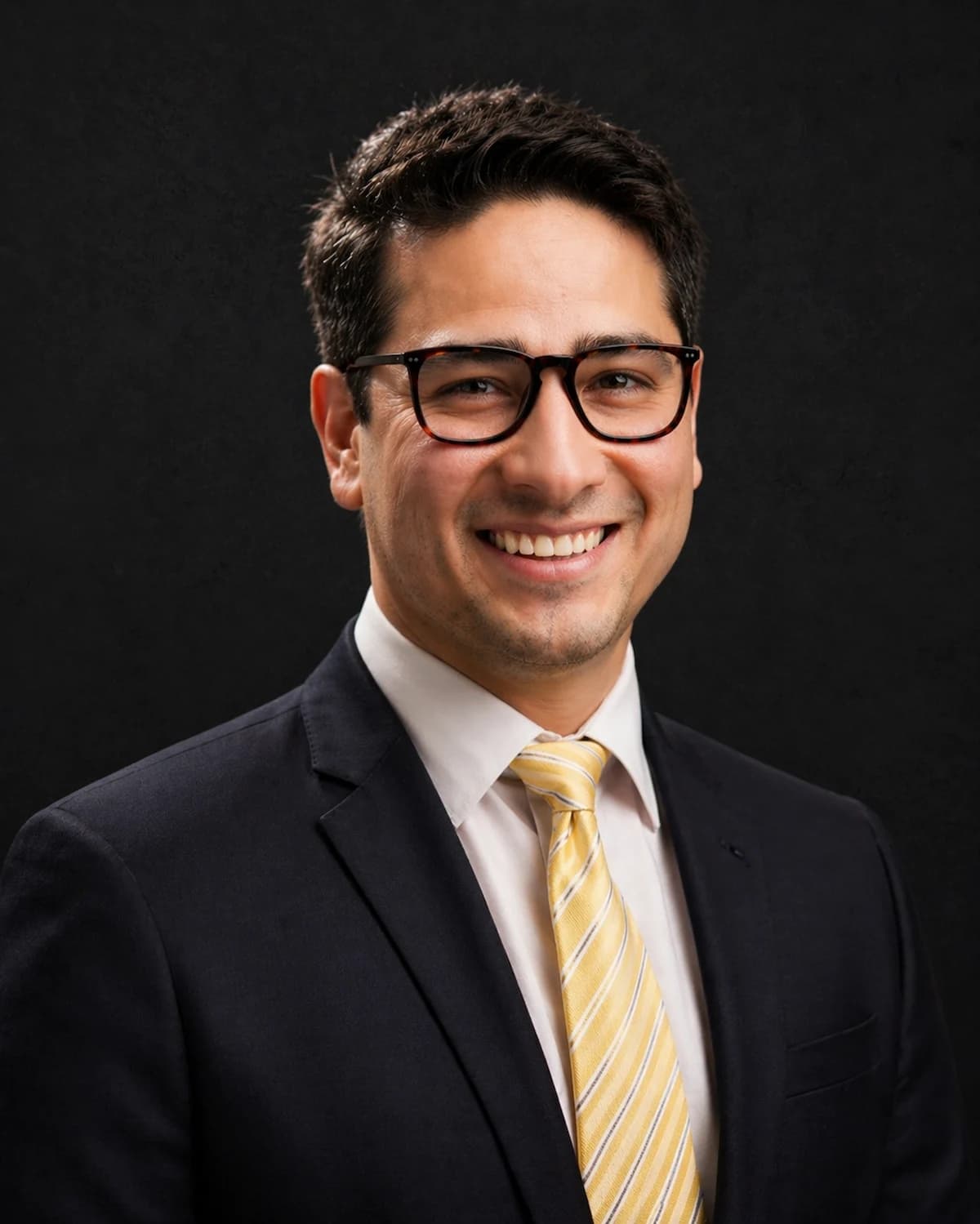
If your eyes look tired despite rest, Dr. Ruben Castro can determine whether the contour comes from fat bags, a tear trough, loose skin, festoons, or a combination. That distinction creates a more precise plan and a more honest discussion of what each treatment can and cannot improve.