Brow Lift in Newport Beach
Open the upper face with a gliding brow lift.
What Is a Brow Lift?
A brow lift raises a heavy brow and opens the upper face without making you look surprised. Dr. Castro prefers a gliding brow lift for appropriate candidates because it allows precise elevation of the brow through minimal-incision access, with particular control over the lateral brow and tail. The goal is a brighter, more rested upper face without creating a pulled or surprised look.
Schedule a Consultation
- Anesthesia
- General anesthesia
- Estimated Duration
- 1.5–2 hours
- Downtime
- 7–10 days
- Return to Work
- Most patients return to desk work within seven to ten days. Strenuous activity is restricted for roughly three to four weeks.
Surgical Technique
Dr. Castro's preferred approach is the gliding brow lift, a minimally invasive technique designed to lift the brow through very small openings near the temples or hairline. Through these openings, the brow and forehead tissues are gently released under the skin so the brow can move upward into a more open position. The lift is focused mainly on the outer brow and brow tail, where many patients notice heaviness. Temporary support stitches hold the new brow shape while the tissues heal. This can be done alone or combined with upper eyelid surgery when brow heaviness is contributing to a tired upper-eye appearance.
Who Is a Good Candidate for Brow Lift?
A gliding brow lift works best for adults whose brow position makes the upper face look heavy or tired, especially at the outer brow and brow tail. Good candidates have realistic expectations and understand that brow position and eyelid skin are separate issues. If the main concern is extra upper-eyelid skin, blepharoplasty may be more appropriate; more significant forehead looseness or hairline concerns may require a different brow-lift approach.
- Low or heavy brows, especially along the outer brow
- Upper eyelid crowding caused by brow descent
- A tired, angry, or heavy upper-face appearance
- Heaviness that comes from brow position, not only extra eyelid skin
Recovery
Recovery after a gliding brow lift is usually easier than recovery from larger open forehead procedures, but swelling and bruising around the forehead and upper eyelids are still expected during the first week. The small access incisions and temporary support points are checked closely during early follow-up. Mild puckering or unevenness can be visible at first as the tissues settle. Many patients return to desk work and social activity within seven to ten days, while strenuous exercise is usually delayed for three to four weeks. Brow position continues to refine over several months.
Acute Phase
Head elevated, cold compresses used, and brow fixation sites protected. Forehead and upper-eyelid swelling and bruising peak during the first several days.
Social Recovery
Most patients return to desk work and social activity. Small access incisions continue healing, and mild puckering at fixation sites usually improves quickly.
Resolution
Residual swelling settles, brow contour softens, and symmetry continues to refine. Light exercise gradually resumes.
Final Result
Final brow position becomes apparent. Tiny incision lines mature and the lateral brow arch looks more stable and refined.
Brow Lift Risks & Considerations
Gliding brow lift risks include temporary swelling, bruising, mild contour irregularity or puckering at support points, asymmetry, undercorrection, and brow drooping that can recur over time. Temporary scalp or forehead numbness can occur. Hematoma, which is a collection of blood, and hair loss near the small access incisions are uncommon but possible. Injury to a facial nerve branch that helps lift the brow is rare, but it remains a recognized risk of brow surgery.
- Temporary or permanent scalp numbness
- Temporary skin puckering at support sites
- Asymmetry
- Hair loss along the incision line
- Hematoma (blood collection)
- Facial nerve weakness (rare)
- Brow drooping can recur
Alternatives to Brow Lift
Upper blepharoplasty may be better when the main issue is extra eyelid skin rather than brow position. Botox can create a temporary, subtle brow-lift effect in some patients but cannot reposition heavier brow tissue. Patients with more significant forehead looseness, hairline concerns, or central brow heaviness may need a different brow-lift approach.
Brow Lift Patient Guides
Medical Sources
Brow Lift - Frequently Asked Questions
- Does a brow lift look natural?
- Yes. The gliding brow lift is designed to restore a softer, more rested brow position, especially laterally, rather than creating an over-elevated or surprised appearance.
- How long does a brow lift last?
- A brow lift is intended to provide long-lasting improvement. Longevity depends on your anatomy, skin quality, and aging process, but the gliding technique is specifically designed to maintain lateral brow elevation over time.
- Will it help with forehead wrinkles?
- It can soften heaviness and improve some forehead creasing, but it does not replace Botox for dynamic wrinkles. Many patients combine a brow lift with injectables or blepharoplasty for a more complete upper-face rejuvenation.
Plan your visit
Explore financing options and patient resources as you prepare for your consultation. If you are visiting from out of town, use our travel guide to plan your trip and stay.
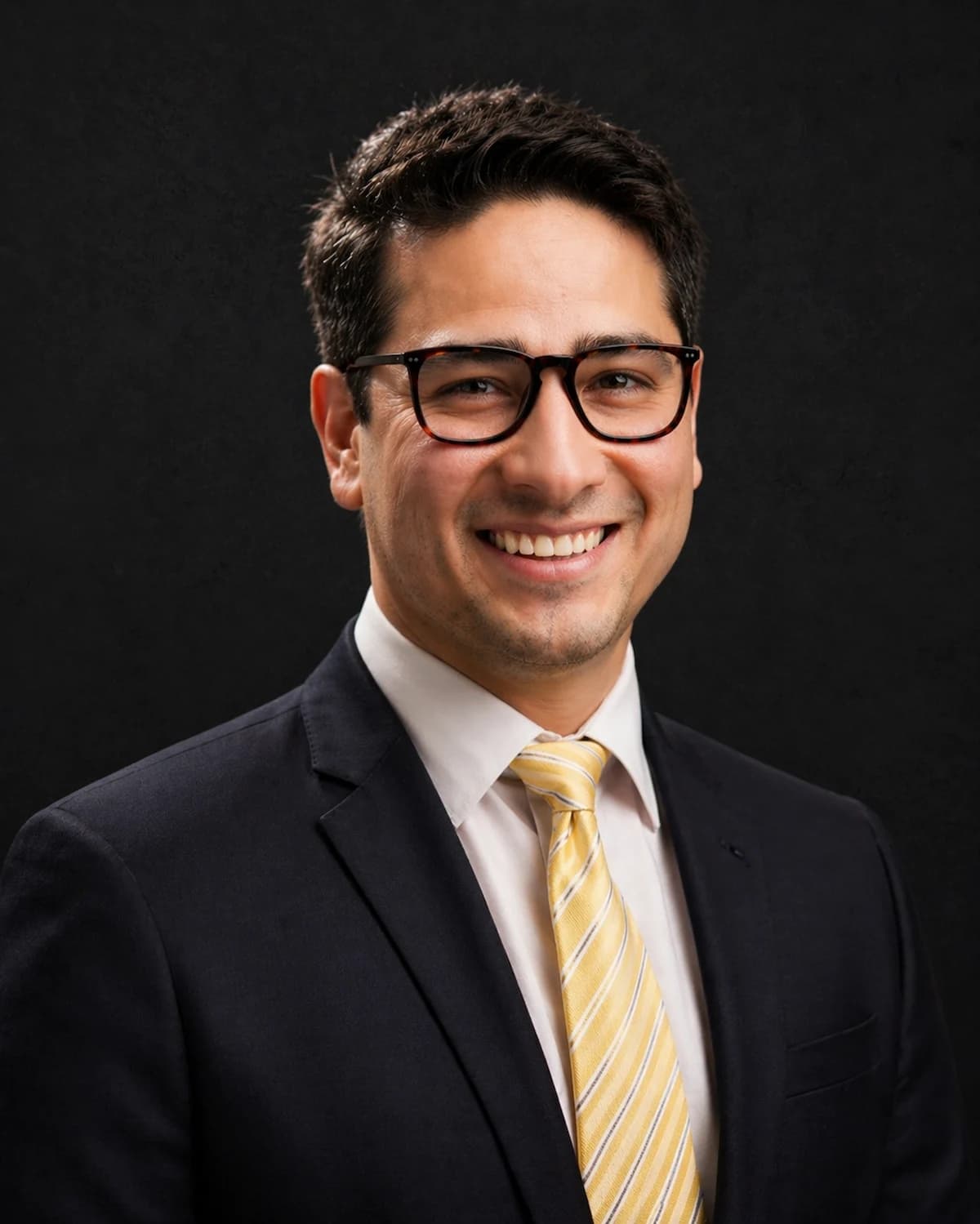
Ready to talk through your options?
Every plan begins with a conversation about your anatomy, your goals, and whether this is genuinely the right procedure for you.
Schedule a ConsultationPerformed by Dr. Ruben Castro in Newport Beach, California