It is possible to feel puffy after liposuction even though fat was removed. Early swelling, fluid shifts, and tissue inflammation can hide the change you hoped to see. Liposuction creates a recovery process in the treated layers, not an immediate finished contour. Knowing what compression can support, what it cannot change, and when to ask for an examination makes the first weeks easier to interpret.
The first week: soreness and swelling can mask the contour
Treated areas may feel tender, firm, bruised, or temporarily numb. The amount of recovery depends on the number and size of areas treated and whether another operation was combined. Follow the wound-care plan and take medication only as instructed. Gentle movement is usually part of recovery, while exercise and lifting need separate clearance.
Do not use the scale to decide whether the operation worked. Swelling can temporarily change weight and clothing fit. Our guide to why liposuction is not weight-loss surgery explains why the goal is contour in selected areas rather than a particular number of pounds.
Compression should support, not injure
Your surgeon may prescribe a garment to support healing tissues and help manage swelling. The ASPS recovery guide includes compression among postoperative instructions. The correct garment, fit, schedule, and duration depend on your operation. More pressure does not automatically produce a smaller waist or a smoother result.
Report deep creases, blisters, worsening pain, numbness that seems related to tightness, or skin color changes. Do not add rigid boards, extra layers, or a much smaller garment without guidance. A garment cannot remove residual fat, repair separated muscles, or reliably tighten significant loose skin.
Weeks two through six: comfort may improve before smoothness
Work and daily activities often become easier gradually, but physically demanding tasks may remain restricted. Firm patches and uneven swelling can make the surface look irregular. These findings need context and follow-up; they do not all mean the same thing. Avoid aggressive massage or devices promoted as breaking up scar tissue before your surgeon has assessed the area.
Tell the office about new one-sided fullness, increasing warmth or redness, fever, drainage, or worsening pain. A fluid collection requires medical assessment, not stronger compression. Chest pain, shortness of breath, fainting, or a painful swollen calf needs urgent medical evaluation. Recovery expectations should never be used to explain away a concerning change.
Months later: judge fat, skin, and support separately
As swelling decreases over several months, the contour becomes easier to evaluate. Skin elasticity affects how the envelope settles. Loose skin after fat removal is a different problem from swelling and may remain even after a technically appropriate operation. A tummy tuck addresses selected skin and abdominal-wall concerns that liposuction cannot.
Likewise, a high-definition contour depends on anatomy, skin, and realistic goals rather than a garment or a recovery massage schedule. Bring consistent follow-up photos if asked, and assess changes over meaningful intervals instead of comparing morning and evening appearance.
Are you a candidate?
Stable weight, suitable health, skin quality, localized fat, and the ability to follow restrictions matter more than age alone. Male liposuction requires the same distinction between fat, skin, and deeper fullness. Recovery planning should include actual work duties and home support, not just how many days you can take off.
Frequently Asked Questions
Does swelling mean the fat has come back? No. Early swelling is not the same as new fat. Persistent concerns should be assessed once the healing stage is considered.
Should I buy the tightest garment available? No. Fit and pressure should follow the surgical team's instructions; excessive compression can harm skin.
When will I see the final shape? Contour usually becomes clearer over months. The timing varies with treatment extent, skin, and healing, so your follow-up assessment matters.
Schedule a Consultation in Newport Beach
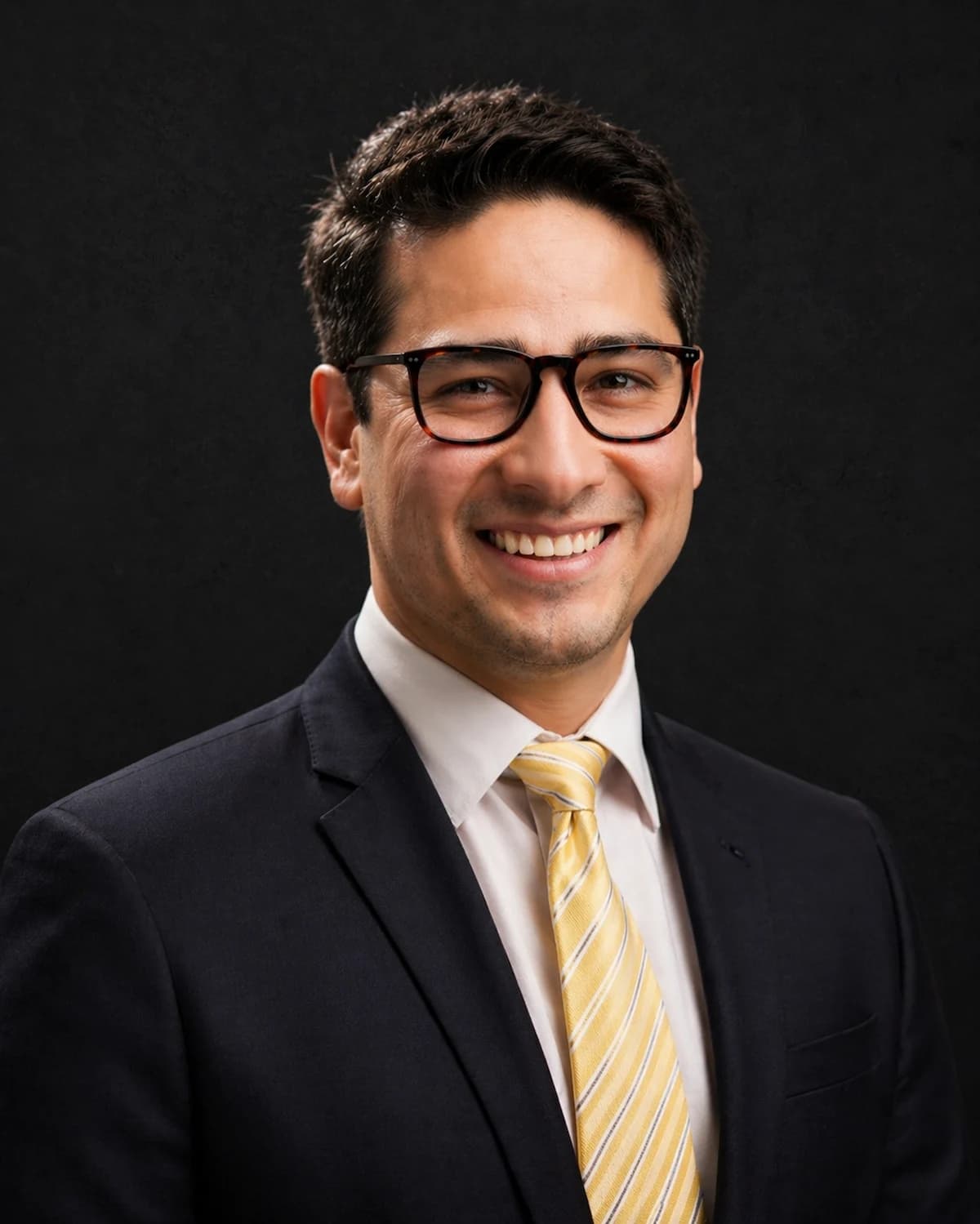
Dr. Ruben Castro can assess your contour concerns in Newport Beach and explain the recovery expected for your treatment areas. Bring questions about garments, activity, and when your result can be fairly evaluated.