A face can be smoother along the jaw and still look tired through the eyes, temples, or central cheek. That happens because facial aging is not one process. Tissue descends, fat compartments change, bone support evolves, skin accumulates damage, and expression continues. A facelift is designed primarily to reposition descended face and neck tissues. If it is asked to replace every missing volume or erase every surface line through tension alone, the result can look tight without looking rested. Natural planning assigns each concern to the structure that actually created it.
Pulling skin cannot rebuild lost support
Skin closure is part of a facelift, but skin should not carry the entire correction. Excess tension can widen scars, distort the ear or hairline, flatten natural transitions, and create a swept appearance. Supporting deeper layers according to anatomy allows the skin to redrape more gently. The pulled versus natural facelift guide explains why direction and depth matter more than how tight the face appears in an early photograph. A smooth jawline is not enough if the cheek and eyes no longer relate naturally.
Volume loss can remain after a successful lift
Temples, upper cheeks, lid-cheek junctions, and areas around the mouth can lose support. Repositioning may restore some fullness by returning descended tissue, but it cannot guarantee replacement in every depleted compartment. Conservative facial fat grafting or filler can address selected gaps. Each has different predictability and risk. More volume is not automatically better, and broad overfilling can make the face heavy. The comparison guide separates these complementary jobs.
The eyes and skin surface tell their own story
Heavy lids, low brows, lower-eye bags, or hollows can preserve a tired expression even when the lower face improves. A blepharoplasty may be considered only when eyelid anatomy supports it. Brown spots, fine etched lines, redness, and rough texture live closer to the surface and may respond to skin care or resurfacing rather than more lift. Combining everything at once is not required. The benefit and recovery of each additional treatment should justify its inclusion.
Proportion and movement are the real tests
A natural result should make sense while smiling, speaking, turning, and resting. Cheek height, mouth movement, earlobe position, hairline, chin, jaw, and neck need continuity. A neck lift may support the lower profile but does not correct hollow temples. Likewise, volume placed without addressing descent can obscure the jaw. The natural planning guide emphasizes balanced support rather than one dramatic feature. Restraint often contributes as much as technique.
Recovery and What to Expect
Early swelling can temporarily make a well-planned face look full, tight, uneven, or unfamiliar. Many patients feel comfortable with low-key social activity around two weeks, while firmness, numbness, scars, and subtle swelling refine for months. Fat grafting adds its own swelling and variable retention. Eyelid or resurfacing procedures change the visible recovery. A final judgment should not be made from the first weeks. Rapid one-sided swelling, severe pain, breathing difficulty, facial weakness, fever, or a concerning skin color change requires prompt contact.
Are You a Candidate?
Candidacy depends on whether descent, volume, eyelids, neck, or skin surface is the dominant concern, plus health, tissue quality, prior procedures, nicotine status, support, and goals. Age alone does not choose the plan. Someone with minimal laxity and prominent volume loss may not need a facelift. Someone with significant jowls may not benefit from repeated filler. Prior surgery or extensive injections require careful review. The best candidate accepts natural asymmetry, ongoing aging, scars, recovery, and the possibility that the most elegant plan treats fewer areas than expected.
Online education can help you ask better questions, but it cannot measure anatomy, review records, perform an examination, or calculate personal risk. Keep a written list of symptoms, prior treatments, medicines, medical conditions, work and caregiving duties, and the result you hope to achieve. Those details often change the recommendation more than a trend, technique name, or photograph found online.
Frequently Asked Questions
Does every facelift need fat grafting? No. Some faces retain adequate volume or regain enough through repositioning. Fat should be added only where a defined deficiency and benefit justify it.
Can a facelift fix under-eye bags? Not reliably. Lower-eyelid anatomy needs its own assessment, and bags, hollows, skin, and lid support require different options.
Why can a face look tight early? Swelling, tissue support, skin redraping, and temporary stiffness affect expression. Some tightness softens, while true distortion needs evaluation.
Can laser be done at the same time? Sometimes limited resurfacing is combined, but skin blood supply, depth, location, recovery, and individual risk determine whether staging is safer.
Schedule a Consultation in Newport Beach
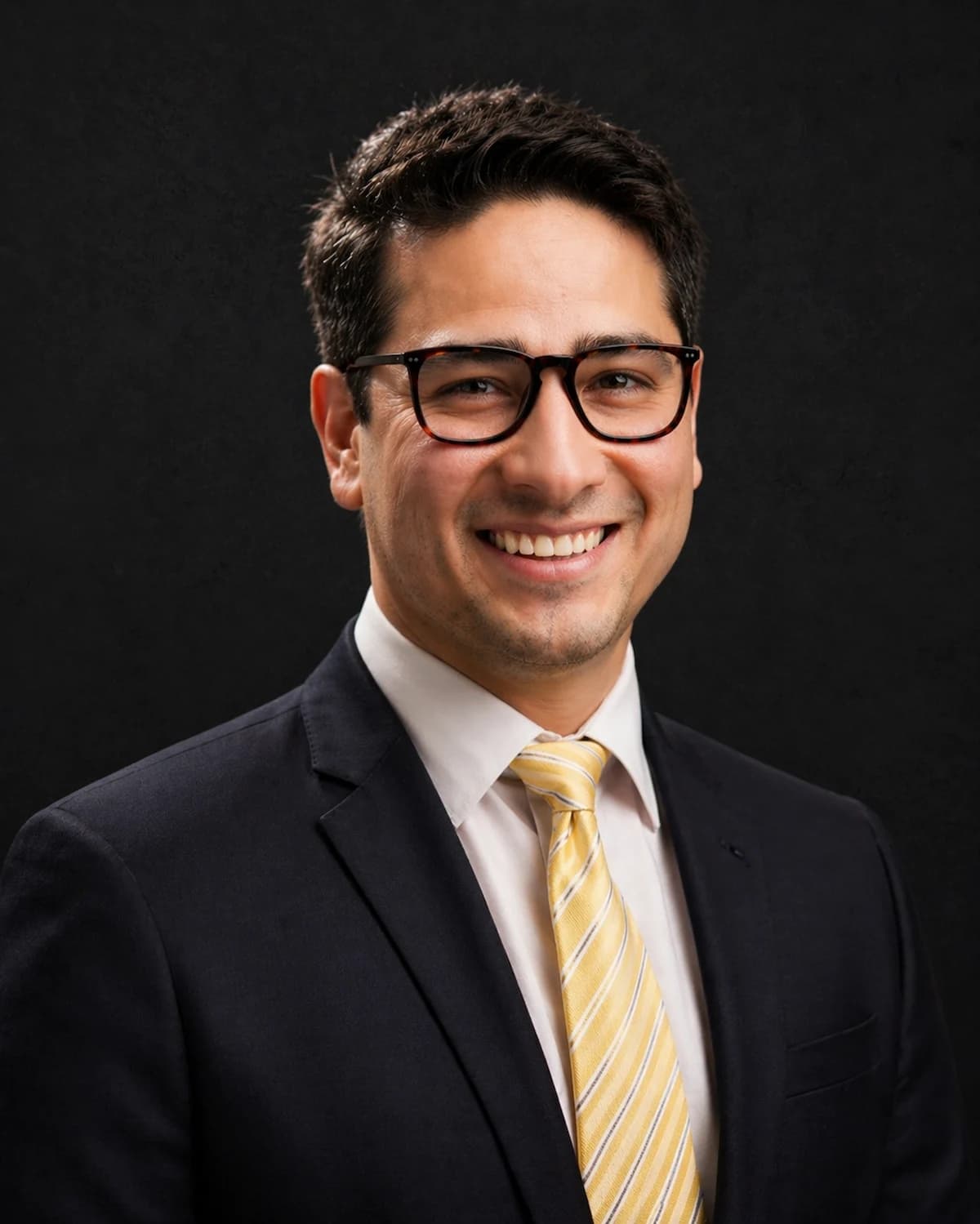
Dr. Ruben Castro evaluates the face in motion and from forehead through neck during a private Newport Beach consultation. He can explain whether the priority is lifting, volume, neck definition, eyelids, surface care, observation, or a measured combination. Bring prior operative and injectable records when possible. A rested result is not created by pulling harder or filling more. It comes from restoring the right support in the right layer while leaving enough natural softness for the face to remain expressive and recognizably yours.