A facelift mainly treats sagging in the lower face and neck: jowls along the jawline, descended cheek tissue, and, when a neck lift is included, loose skin beneath the jaw. It works by repositioning the deeper support layer and redraping the skin without excess tension. It does not lift the brows, change the eyelids, restore lost volume, or erase fine lines and skin texture. A natural result starts with treating what has descended and addressing the other changes with the treatment suited to them.
What does a facelift treat, and what does it leave alone?
Facial aging combines tissue descent, changes in volume, and skin quality. Jowls and folds may reflect more than one of these. A natural plan considers each component and avoids asking skin tension alone to perform a deeper repositioning. The goal is to preserve proportions and movement, with clear limits on what lifting can change.
| What you see | Does a facelift treat it? | What may address it instead or in addition |
|---|---|---|
| Jowls blurring the jawline | Yes, a primary target | A neck lift if the neck is also involved |
| Loose skin or bands beneath the jaw | Only when a neck lift is included | Neck lift |
| Descended cheeks and deeper smile folds | Partly, by repositioning tissue | Volume treatment for what descent does not explain |
| Hollow cheeks or temples | No | Fat grafting or filler |
| Heavy upper lids or low brows | No | Eyelid surgery or brow lift |
| Fine lines, spots, and texture | No | Resurfacing, peels, or skin care |
Why does lifting the deeper layer look more natural?
A facelift can support and reposition selected deeper tissues rather than relying on skin tension alone. The SMAS is part of the connective framework associated with facial muscle and soft tissue. Repositioning can redistribute existing fullness and improve jowls, but it does not replace all lost fat or bone support. The skin is redraped with attention to tension, and the approach is tailored to anatomy. Technique alone cannot guarantee a natural appearance or how long it will last. The pulled look versus natural facelift guide explains how release, direction of lift, and restraint separate the two.
How does the plan preserve what makes your face yours?
No two faces age the same way, and no single technique fits everyone. The judgment lies in how much to release, where to anchor, and how to balance the lift across the lower cheek, jawline, and neck so the result stays in proportion with features that are not being changed. Hairline and sideburn position, earlobe shape, and incision placement are planned so the surgery itself is not what people notice. The goal is a refinement that still looks like you, not a standardized outcome.
Why is a facelift often combined with other procedures?
Because the face ages as a whole, a facelift is rarely planned in isolation. A neck lift addresses banding and laxity below the jawline so the neck matches the rejuvenated face, while facial fat grafting restores volume to the cheeks and around the eyes, since lifting alone cannot replace what age deflates. Eyelid surgery refreshes the upper face so the eyes stay in harmony with the lifted lower face. For men, these same principles are tailored in a male facelift, which accounts for differences in hairline, beard, and facial structure.
Do I need a facelift yet?
A facelift becomes a reasonable question when jowls or neck laxity are visible at rest and bother you, and when the change you dislike comes mainly from descent rather than volume or skin quality. Gently lifting the cheek skin back and up in a mirror can hint at how much of the concern is descent, but it cannot show the deeper layers or predict a result. If the main concern is hollowness, skin quality, or the eyes, a facelift is usually not the first answer. The guide to when Botox and filler stop being enough covers the transition from injectables.
Am I a candidate for a facelift?
Many facelift patients are in their 40s to 60s, but candidacy depends more on anatomy, skin quality, facial laxity, health, and goals than on age alone. The guides for patients in their forties and patients in their seventies or eighties address those age questions directly. An in-person evaluation can establish whether surgery is the right choice, including when it is not.
What is facelift recovery like?
Recovery varies with the extent of surgery and individual healing. A general outline:
- First two weeks: mild swelling and bruising are normal; many patients feel comfortable returning to low-key social activity around two weeks.
- Weeks to months: swelling continues to refine over several months, and the final, settled result emerges gradually as the tissues relax into place.
- Long term: a facelift does not stop aging. The face continues to change from its improved position, and how long the improvement stays noticeable depends on anatomy, skin quality, weight, and the operation.
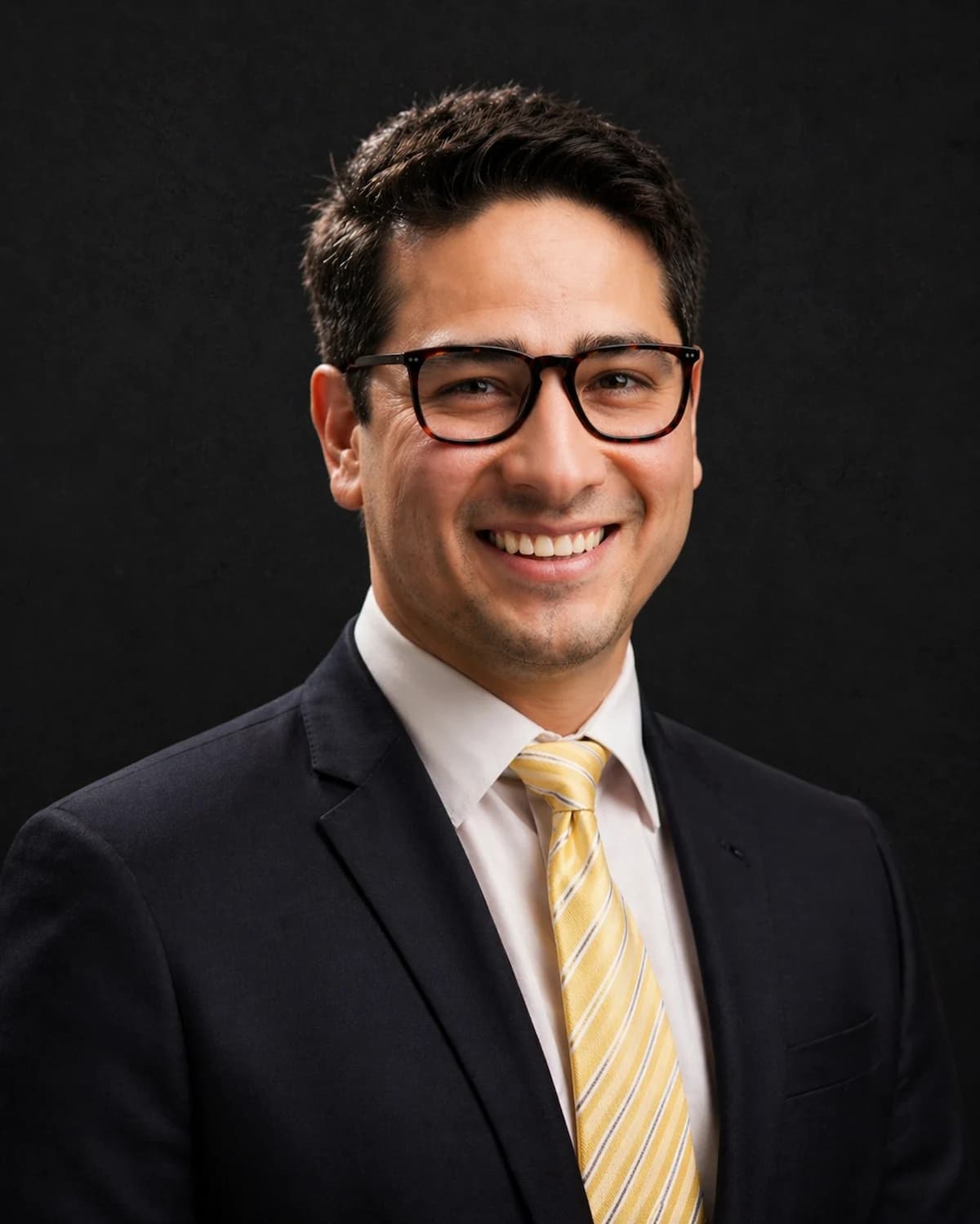
Dr. Castro reviews your personal recovery plan in detail before surgery, so you know what each stage looks like.
Frequently Asked Questions
Will a facelift look obvious? The goal is a rested appearance that preserves your proportions and expression. Supporting deeper tissues and managing skin tension can help, but scars, healing, tissue quality, and the amount of change mean no surgeon can guarantee an imperceptible result.
How long do results last? No procedure halts aging. Improvement from repositioning the deeper layers often remains visible for years, but how long varies with anatomy, skin quality, weight change, and the operation performed.
Find out which changes a facelift would treat
If you are unsure whether the changes you see come from descent, volume loss, or skin quality, an examination can separate them and show which a facelift would treat. Dr. Ruben Castro can explain what would be lifted, what would be left alone, and what, if anything, should be addressed another way.