Not every tummy tuck needs muscle repair. Excess skin and subcutaneous fat are separate from abdominal wall laxity or rectus diastasis, so a patient with loose skin and good underlying support may not need plication. When stretched fascia contributes to the bulge, tightening it may be useful. The decision depends on examination, not simply on having had a pregnancy.
Some patients benefit from this plication, while others need skin removal without it. A well-planned tummy tuck should therefore answer two separate questions: how much skin needs to be addressed, and whether the abdominal wall actually needs reinforcement. Treating them as automatic parts of one package can lead to unnecessary tightness in one patient or an incomplete plan in another.
What is being repaired, and are the muscles cut?
The paired rectus muscles run vertically on either side of the midline. Pregnancy, major weight change, inherited tissue qualities, and other forces can stretch the linea alba between them. This widening is called rectus diastasis. It is not the same as a muscle tear, and it is not automatically a hernia.
In typical cosmetic plication, the rectus muscle bellies are not cut or shortened. Sutures tighten the fascial covering and widened central tissue. The familiar phrase “muscle repair” describes this support-layer tightening rather than sewing torn muscle fibers together.
A hernia is an opening or defect through which tissue can protrude. Diastasis is a broad zone of thinning and widening without the same type of hole. They can occur together, so a suspected umbilical or ventral hernia deserves proper evaluation. Depending on the finding, planning may require imaging or coordination with a general surgeon rather than simply making the cosmetic plication tighter.
The overview of loose skin, stubborn fat, and muscle separation helps distinguish surface concerns from the support layer. An in-person examination may assess the abdomen standing and lying down, during a gentle curl, and while relaxed. Symptoms, prior operations, pregnancies, scars, and movement all add context to the measured width.
What can plication change about abdominal contour?
During plication, sutures fold the fascia toward the midline or reinforce selected areas according to the pattern of laxity. This can narrow a widened central contour and improve abdominal wall tension. It does not create stronger muscle fibers, remove visceral fat, or substitute for rehabilitation.
Plication may narrow a lax abdominal wall and change the waist contour, but it does not guarantee a particular waist size. Rib cage and pelvic shape, internal abdominal volume, skin, and fat also set limits. Tightening beyond what the anatomy tolerates is not a way to overcome those limits.
Research on function is encouraging in selected patients but remains mixed. Systematic reviews report improvements in some measures of physical function, while changes in objective strength are less consistent. A randomized study of patients selected primarily for excess skin did not show a broad functional advantage from adding plication. That does not prove plication has no value in a patient with meaningful diastasis. It shows why the indication matters and why a cosmetic contour change should not be marketed as a guaranteed cure for back pain, posture, weakness, or urinary symptoms.
The article on refined abdominoplasty and core support explores that overlap. Pelvic floor therapy, physical therapy, weight management, and medical evaluation can remain important whether or not surgery is chosen.
When can I have a tummy tuck without muscle repair?
A patient may have loose lower abdominal skin with a firm, well-supported abdominal wall. This can occur after limited weight change, previous surgery, or pregnancy without significant persistent diastasis. In that anatomy, skin removal alone may address the concern without adding central fascial tension.
Avoiding an unnecessary repair is not a lesser tummy tuck. It is a procedure matched to the problem. It may reduce the sensation of internal tightness, although the incision and skin work still create a meaningful recovery. Conversely, choosing no plication solely because it sounds easier can leave central laxity unchanged when it is a major contributor.
Liposuction is another separate decision. Liposuction can refine pinchable fat but cannot tighten the fascia. The tummy tuck versus liposuction comparison explains why fat reduction cannot stand in for a support-layer repair.
When might plication help?
Plication may be reasonable when examination demonstrates central or patterned fascial laxity that contributes to bulging or poor support, and when the patient understands the benefits and limits. The plan can vary above and below the navel. A limited external appearance does not always reveal the full pattern, and width alone does not define symptoms or the best technique.
Diastasis can also be present with relatively little loose skin. That does not automatically make a full tummy tuck the right operation. Symptoms, fascial findings, any hernia, rehabilitation options, and the skin envelope should guide whether repair is indicated and how it would be approached.
Future pregnancy and major weight change can stretch a repair, so timing matters. Very aggressive tightening is not the goal. Plication changes intra-abdominal pressure and can affect breathing mechanics in the operating room, even though small studies in healthy patients did not find those changes clinically important. Medical history, lung function, abdominal contents, hernias, and the extent of any combined operation deserve consideration.
When abdominal surgery is combined with breast work in a mommy makeover, the total operative plan and risk matter more than the marketing name. Not every eligible procedure should necessarily be performed on the same day.
Why can the abdomen still protrude for reasons a tummy tuck cannot fix?
Subcutaneous fat sits outside the abdominal wall, while visceral fat lies inside the abdomen. A tummy tuck does not remove visceral fat, treat digestive bloating, or change the rib cage or pelvis. Posture, a hernia, and other medical conditions may also affect the contour. The guide to a stomach that still looks pregnant covers that broader differential; this decision is specifically whether fascial tightening belongs in your surgical plan.
| Main finding | Role of skin or fat treatment | Role of plication |
|---|---|---|
| Loose skin with good fascial support | Skin removal may address the concern | May not be needed |
| Loose skin plus meaningful fascial laxity | Addresses the outer envelope | May address the support layer |
| Diastasis with little loose skin | Full skin excision may not be indicated | Evaluate repair separately |
| Visceral volume or digestive bloating | Does not treat the internal cause | Not a substitute for addressing that cause |
How muscle repair affects recovery
Patients with plication often describe central tightness, difficulty standing fully upright at first, and discomfort with coughing, transitions, or core engagement. Those sensations generally improve, but the pace varies. Skin-only abdominoplasty still requires incision care, early walking, lifting restrictions, swelling management, and follow-up.
The practical week-by-week recovery guide outlines common phases. Direct core training and heavy lifting should wait for individualized clearance. Returning too soon does not prove the repair is strong, and prolonged fear of normal movement is not the goal either. Progress should be deliberate and based on healing.
Candidacy depends on findings, not age or gender
Diastasis can affect women and men, and age alone neither proves nor excludes it. Candidates should be at a stable weight, free of nicotine, medically optimized, and able to accept the scar and recovery. A body lift may be more relevant when laxity extends around the trunk, but it does not make a fascial repair automatically necessary.
Persistent pain, digestive symptoms, pelvic floor concerns, or a suspected hernia should not be assigned to diastasis without appropriate evaluation. Surgery should target the findings it can reasonably change while leaving unrelated symptoms to the correct clinician.
Frequently Asked Questions
Does the surgeon cut the abdominal muscles? Typical rectus plication places sutures in the fascial covering and does not cut or shorten the rectus muscle bellies.
Can exercise close rectus diastasis? Rehabilitation can improve coordination, strength, pressure management, and symptoms. It may not fully narrow stretched fascia or remove loose skin, but it can still be valuable before or after surgery.
Will plication guarantee a flatter stomach? No. Skin, subcutaneous fat, visceral volume, rib and pelvic shape, posture, bloating, and fascial support all affect the profile.
Is mesh required for diastasis repair? Not routinely. Mesh is a separate tool with its own indications and risks. The evidence does not support automatic mesh use for every diastasis.
Ask which layer your tummy tuck would treat
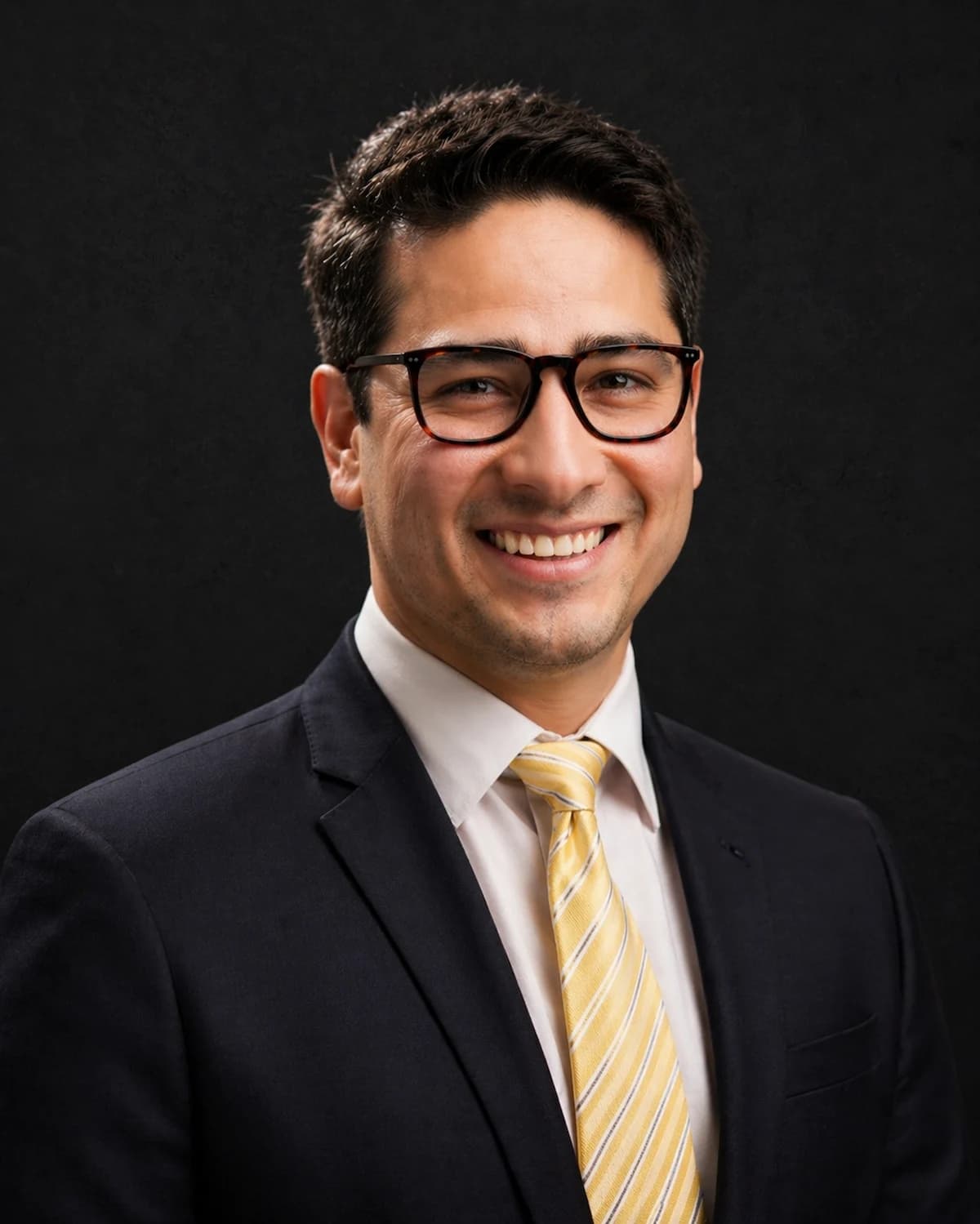
During a private Newport Beach consultation, Dr. Ruben Castro evaluates skin, fat, fascial tension, the pattern of any diastasis, the navel, scars, hernia signs, symptoms, health, and future pregnancy plans. He can explain why plication is or is not part of the proposed operation and how that choice affects recovery. The objective is measured support and a natural contour, not maximum tightness or a one-size-fits-all muscle repair.