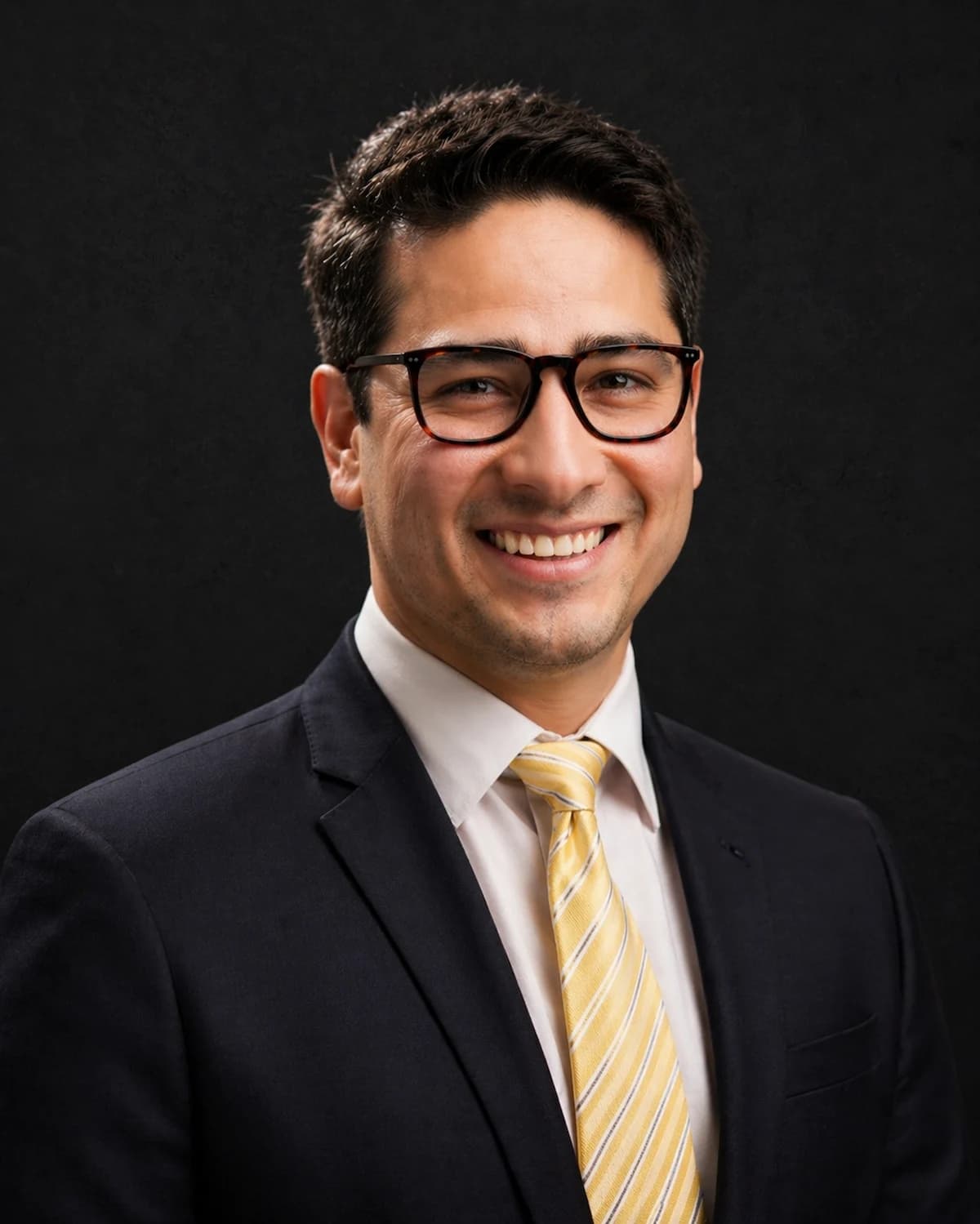
There is no single BMI cutoff that applies to every plastic surgery procedure. Dr. Ruben Castro assesses candidacy case by case, depending on the operation and the patient's health. BMI is one risk marker, not a complete description of your body or a promise of safety below a particular number. Weight stability, fat distribution, nutrition, medical conditions, and the extent of surgery can change the recommendation.
Why does BMI affect the safety discussion?
BMI relates weight to height. At a population level, higher BMI has been associated with more complications in aesthetic surgery, including wound problems and venous blood clots. A large CosmetAssure outcomes study found higher major-complication risk in heavier patient groups, but such data do not predict exactly what will happen to one person.
The team also considers sleep apnea, diabetes, blood pressure, mobility, prior clots, and the anesthesia plan. A long combined operation can present a different risk profile from a small isolated procedure at the same BMI. Facility and anesthesia requirements also form part of the final assessment.
What does BMI miss about my anatomy?
BMI does not distinguish muscle from fat or show where fat is located. A muscular person and someone with more abdominal fat can have the same number. That does not make the number irrelevant; it means the examination supplies information the calculation cannot.
Fat under the skin differs from visceral fat around internal organs. Liposuction treats selected subcutaneous fat, not visceral fat. A tummy tuck can address skin and abdominal wall laxity but cannot flatten every abdomen regardless of what lies inside it.
| Your situation | Why it changes the plan | What may be advised |
|---|---|---|
| Weight is still falling | Skin and fat distribution are changing | Reassess after a maintainable weight is established |
| Significant abdominal fullness is internal | Contouring cannot remove visceral fat | Address health and weight goals before selecting surgery |
| Diabetes, sleep apnea, or prior clots | Risk extends beyond BMI | Medical optimization and an individualized safety plan |
| Several large procedures are requested | Operative time and recovery demands increase | Reduce the scope or consider staging |
| High muscle mass with stable health | BMI incompletely describes body composition | Examine anatomy and assess risk directly |
Should I lose more weight before booking?
Sometimes, but the goal should be sustainable health and a stable surgical target. Rapid restriction shortly before surgery can compromise nutrition even if the BMI falls. Reaching a requested number for a single weigh-in is not the same as being ready to heal.
Discuss how much more weight you expect to lose, the medicines you use, and whether your current intake supports recovery. Our article on tummy tuck planning after weight loss explains how ongoing changes affect timing. Further weight loss can create more loose skin, so the operation you need may change too.
Can liposuction bring me below a cutoff?
Liposuction is not a treatment for obesity or a shortcut to surgical eligibility. Trying to remove large amounts of fat to reach a weight target increases the scope of an operation without addressing all of the underlying risks. The guide to liposuction and weight-loss limits addresses that misconception.
Choosing between tummy tuck and liposuction also depends on the layer creating the contour, not only the scale. Neither substitutes for medical management of a health condition.
Ask what would make your specific operation reasonable
Bring your weight trend, medication list, health history, and the procedures you want to a consultation. Dr. Castro can explain whether the current plan is reasonable, whether optimization or staging would help, and which concerns need assessment first. A case-by-case policy allows an individualized evaluation; it does not guarantee surgery at any BMI.