A facelift in the forties is neither automatically too early nor a maintenance treatment everyone should schedule. Some people develop visible jowls, lower-face descent, or neck laxity earlier because of genetics, skin quality, weight change, sun exposure, and anatomy. Others in the same decade mainly have surface lines, volume loss, or a concern that injectables can address. The operation has value only when there is enough structural descent to reposition and when that benefit justifies scars, anesthesia, recovery, risk, and the likelihood of future aging.
Early surgery does not stop aging
A facelift can reset the position of selected tissues, but skin, fat, bone, and expression continue to change. Having surgery at 42 does not guarantee that another operation will never be considered. It also does not obligate someone to repeat it on a schedule. The question is whether the present anatomy supports a meaningful improvement. Marketing language such as preventive facelift can blur this point. Surgery treats an existing structural concern. It does not vaccinate the face against time.
Subtle laxity can be hard to separate from volume loss
A small jowl, deep fold, hollow cheek, and full lower face may look similar in photographs but arise from different layers. Repeated filler can camouflage mild descent for a time, yet adding volume may eventually broaden the face. The injectables limits guide explains when structure deserves reevaluation. Conversely, a person with true hollowing and little laxity may benefit more from conservative volume restoration or no treatment than from an early operation.
A smaller concern does not always mean a smaller operation
Limited incisions or focused techniques can fit selected patterns, but the name short scar, mini, or Glidelift does not guarantee easier recovery or the right vector. A narrow operation should only be chosen when its access can address the actual descent. The short-scar neck lift guide explains that incision length is one part of planning. Under-treating a broad problem can create disappointment, while over-treating a mild one adds unnecessary risk.
Natural planning protects the face you already like
Patients in their forties often want a modest change and fear looking different. Supporting deeper layers according to anatomy, preserving hairline and ear relationships, and using measured skin redraping are central. A neck lift may be the main need when the face remains defined, while eyelid surgery treats a separate tired-eye concern. The natural facelift guide emphasizes proportion and expression rather than the tightest possible contour.
Recovery and What to Expect
Many patients feel comfortable with low-key social activity around two weeks after a facelift, but swelling, bruising, tightness, numbness, scar redness, and stiffness refine over months. A limited-sounding procedure can still require meaningful recovery. Work, young children, exercise, travel, and privacy should be planned honestly. Bleeding, hematoma, infection, delayed healing, skin compromise, nerve symptoms, hairline change, asymmetry, visible scars, and revision are possible. Younger age does not remove those risks or guarantee faster healing.
Are You a Candidate?
Candidacy depends on a visible and examinable pattern of descent, health, skin, anatomy, nicotine status, prior fillers or surgery, goals, support, and willingness to accept long-term tradeoffs. Age alone neither qualifies nor disqualifies. Someone seeking perfection, reacting to a temporary life stress, or trying to copy a filtered face may benefit from waiting. Stable weight and a consistent concern over time improve decision quality. A male facelift may follow different hairline, beard, and scar considerations while using the same anatomy-first principle.
Online education can help you ask better questions, but it cannot measure anatomy, review records, perform an examination, or calculate personal risk. Keep a written list of symptoms, prior treatments, medicines, medical conditions, work and caregiving duties, and the result you hope to achieve. Those details often change the recommendation more than a trend, technique name, or photograph found online.
Frequently Asked Questions
Is 40 the new normal age for a facelift? No. National interest and trends do not create an appropriate age. Individual descent and goals determine whether surgery has a useful job.
Will early surgery give a more natural result? Not automatically. Naturalness depends on diagnosis, vectors, tissue handling, restraint, healing, and facial proportion at any age.
Can a facelift replace filler? It repositions tissue but does not replace every area of lost volume. Some patients need less filler afterward, while others may use selective volume treatment.
Will I need another facelift sooner if I start younger? Future surgery is possible because aging continues, but there is no fixed repeat interval. Some people never choose another operation.
Schedule a Consultation in Newport Beach
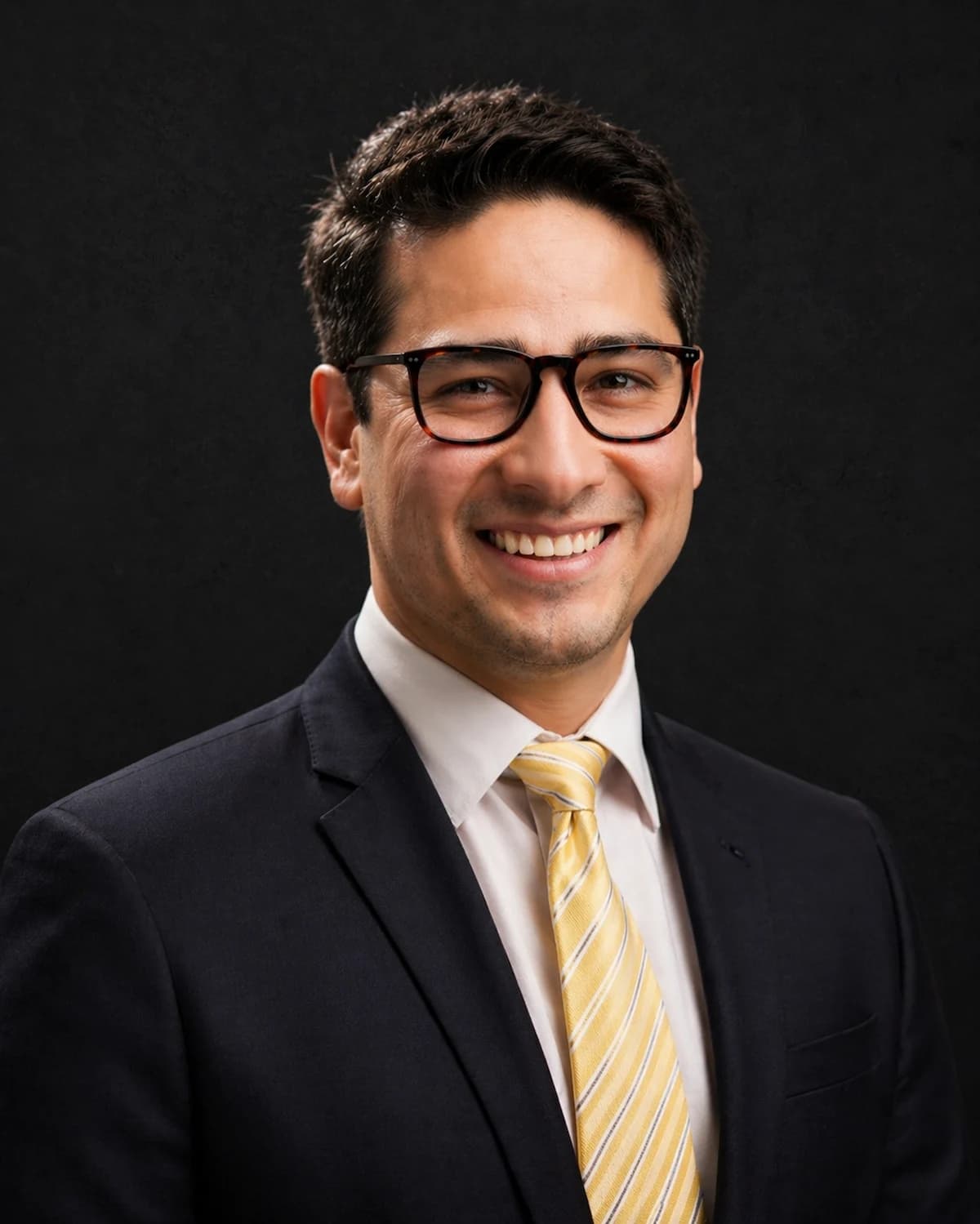
Dr. Ruben Castro evaluates facial movement, jowls, neck, volume, skin, prior injections, and the features you want to preserve during a private Newport Beach consultation. The rejuvenation by decade guide is useful context, but it does not replace examination. A thoughtful answer can be surgery, a focused treatment, skin care, patience, or no intervention. The right time is not the earliest date a procedure can be performed. It is when anatomy, goals, health, and tradeoffs align.