Hooded upper eyes can come from low brows, extra eyelid skin, or both. That distinction matters because a brow lift and upper eyelid surgery change different structures. Online advice often suggests lifting the brow with one finger to see whether the hood disappears. The observation can be useful, but it is not a diagnosis and forcefully pulling the brow creates an artificial result. A proper assessment measures brow position at rest, watches expression, examines the eyelid crease and surface, and protects the eye before recommending either operation.
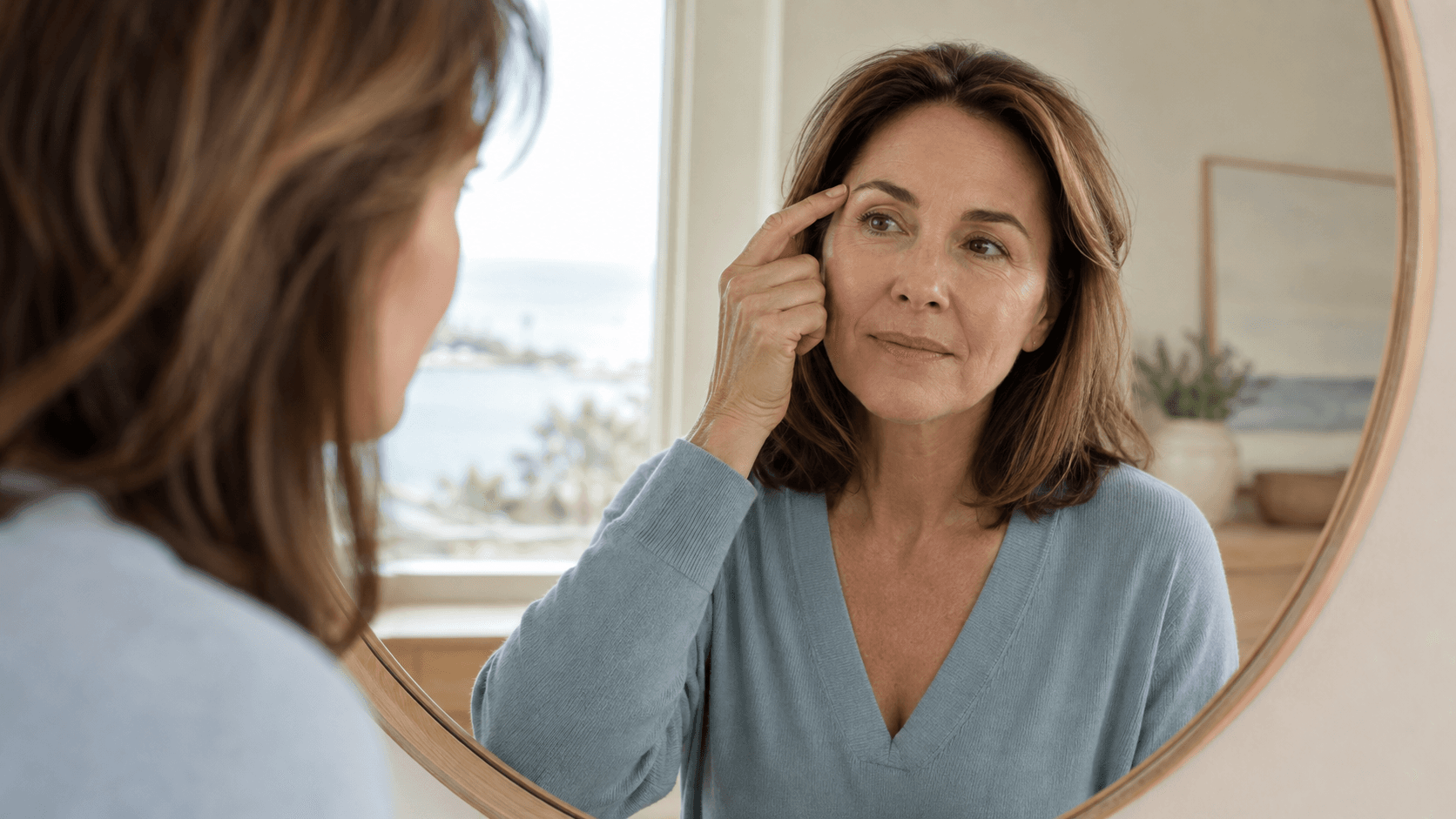
What a gentle fingertip check may reveal
Stand relaxed, look straight ahead, and note where the brow sits without raising the forehead. A very light fingertip support near the outer brow may show how much upper-lid fullness is influenced by brow position. If the fold improves, brow descent may contribute. If excess skin remains on the lid, eyelid tissue may also matter. The check should never pull to an idealized height, and it cannot identify dry eye, true eyelid droop, muscle weakness, or visual-field issues. The full anatomy is explained in our guide to hooded eyes and heavy brows.
A brow lift changes the frame above the eye
A brow lift repositions forehead and brow tissues. The direction and amount should respect sex, hairline, forehead height, asymmetry, and natural expression. The goal is not a surprised arch. Some patients need more lateral support, while others have central descent or strong muscle activity between the brows. An endoscopic brow lift is one possible approach, but incision pattern and technique depend on anatomy. Forehead lines caused by movement are a separate issue and may sometimes be addressed with neuromodulator treatment.
Upper blepharoplasty treats the lid itself
Upper blepharoplasty removes or repositions a measured amount of eyelid skin and, when appropriate, deeper tissue. Conservative planning matters because the eyelid must still close comfortably and protect the eye. Removing lid skin alone cannot raise a descended brow, and an overly aggressive excision can create dryness, tightness, an altered crease, or difficulty closing. The existing upper blepharoplasty guide describes why the incision sits in the natural fold and why the amount removed is determined with the brow relaxed.
Sometimes the balanced answer is both, or neither
If low brow tissue and true lid excess coexist, treating only one may leave part of the concern. A limited combination may create better balance than overcorrecting either structure. Other patients discover that the main issue is eyelid ptosis, eye prominence, asymmetry, or volume loss rather than redundant skin. These findings can require a different procedure or specialist input. The correct plan is the smallest one that addresses the cause while preserving a familiar eye shape. A facelift does not substitute for focused brow or eyelid evaluation.
Recovery and What to Expect
Bruising and swelling are common after either operation and are usually most visible early. Many patients plan roughly one to two weeks before low-key social activity, although incision redness, tightness, and subtle swelling can last longer. A combined operation can change that timeline. Vision changes, severe pain, rapidly increasing swelling, inability to close the eye, or shortness of breath require prompt medical attention. Dry-eye history, contact lens use, medications, and prior eye surgery should be reviewed before scheduling rather than discovered during recovery.
Are You a Candidate?
Candidacy depends on brow position, forehead and hairline proportions, eyelid skin, levator function, eye-surface health, facial nerve function, medical conditions, and goals. Age alone is not decisive. Someone with stable health and a clear structural concern may be considered at different ages, while active eye disease, uncontrolled blood pressure, nicotine exposure, or unrealistic expectations may delay treatment. Men and women may prefer different brow shapes, and ethnic and family traits should be preserved. Photographs at rest are more informative than a deliberately raised forehead.
Online education can help you ask better questions, but it cannot measure anatomy, review records, perform an examination, or calculate personal risk. Keep a written list of symptoms, prior treatments, medicines, medical conditions, work and caregiving duties, and the result you hope to achieve. Those details often change the recommendation more than a trend, technique name, or photograph found online.
Frequently Asked Questions
If the finger test clears my hooding, do I definitely need a brow lift? No. It only suggests that brow position contributes. The amount of support used by a finger is not equivalent to a safe surgical plan.
Can Botox replace a brow lift? A neuromodulator can change selected muscle pull and sometimes creates a subtle temporary lift, but it cannot remove skin or predictably reposition substantial descent.
Will eyelid surgery make my brows drop? Brow position can change when forehead compensation relaxes. That is one reason both regions are evaluated together before surgery.
Can both procedures be done together? Sometimes. The benefit, eye protection, incision plan, health, and recovery must justify the combined approach for the individual patient.
Schedule a Consultation in Newport Beach
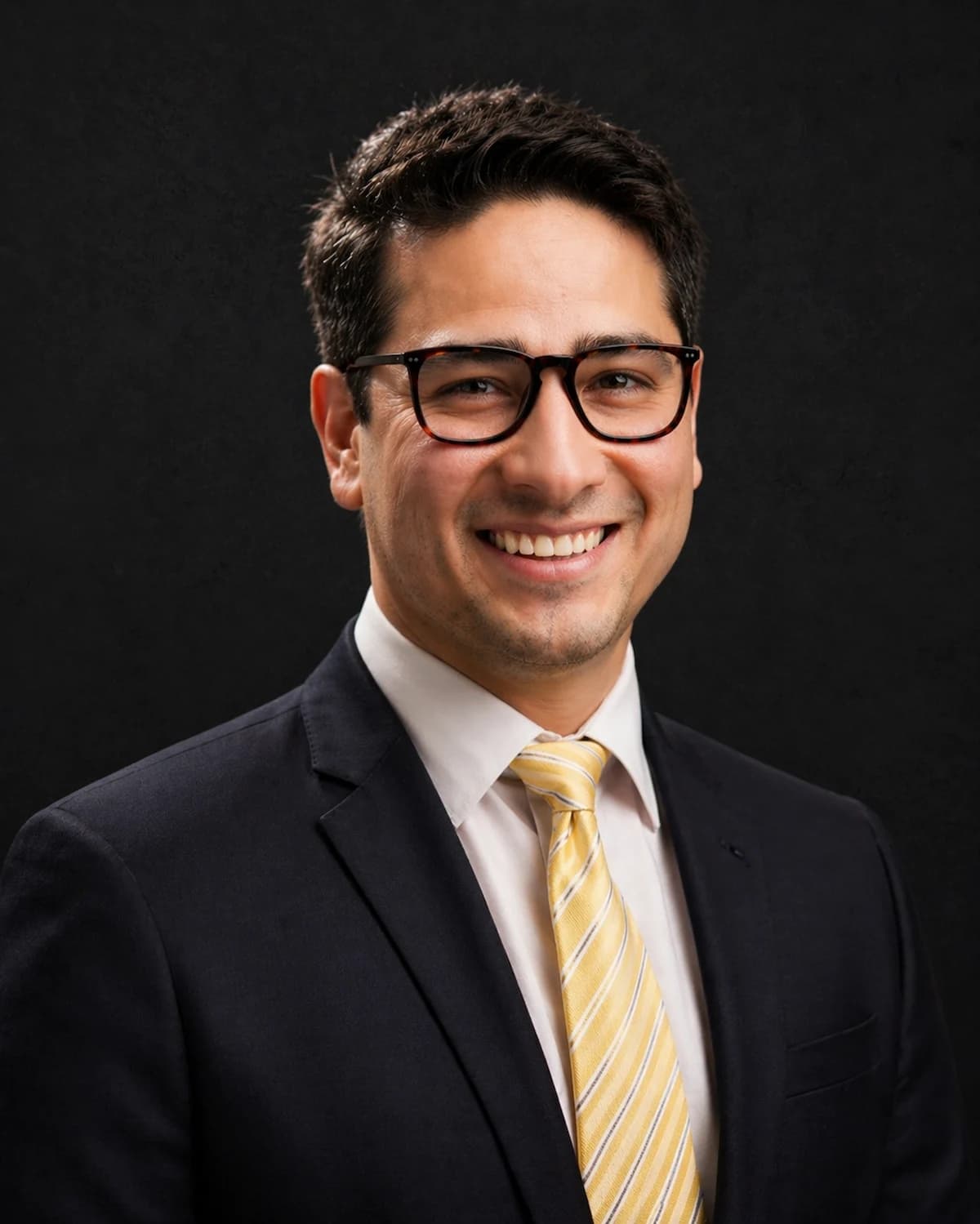
During a Newport Beach consultation, Dr. Ruben Castro evaluates the forehead, brow, eyelid, eye surface, and facial balance as one system. The discussion may support observation, skin care, a conservative injection plan, eyelid surgery, brow surgery, or a measured combination. Review our anatomy-first rejuvenation guide before assuming that a birthday or a quick mirror test chooses the procedure. The goal is a rested, open expression that still looks unmistakably like you.