Having textured breast implants without symptoms does not automatically mean you need removal. BIA-ALCL is an uncommon lymphoma associated mainly with textured implant exposure, and the FDA does not recommend routine removal in people without symptoms. New persistent swelling, a lump, or a change around an implant calls for evaluation before choosing an operation. Feeling well and having new symptoms are different decision pathways.
How do I find out which implants I have?
Start with your implant card and the operative report from each breast operation. The manufacturer, model, and device history matter more than guessing from shape or feel. Saline versus silicone describes the filling; smooth versus textured describes the surface. These are separate characteristics.
Contact the original surgeon or facility for records if your card is missing. Include prior implants and tissue expanders, even if you now have smooth implants. Past exposure can be relevant. An ultrasound cannot substitute for complete device records when the question is which model was placed.
Which changes need assessment before removal is planned?
BIA-ALCL usually arises in fluid or the scar capsule around the implant, rather than the breast tissue itself. It is different from breast cancer and from the systemic symptoms discussed under breast implant illness.
Persistent enlargement, a new lump, firmness, pain, or a fluid collection years after implantation should be assessed promptly. These changes have several possible causes; they do not establish lymphoma by themselves. Evaluation may include ultrasound and, when fluid or tissue is sampled, pathology testing specifically directed at implant-associated disease, including CD30 testing for suspected BIA-ALCL. Simply draining fluid without an appropriate diagnostic plan can miss useful information.
| Your situation | Usual next step | Why it matters |
|---|---|---|
| Known textured implants, no symptoms | Discuss device history and ongoing follow-up | Routine preventive removal is not the FDA recommendation |
| Implant type is unknown | Obtain implant cards and operative reports | Surface and prior exposure cannot be inferred from appearance |
| New swelling, fluid, or a lump | Diagnostic assessment before elective revision | Findings can change the operation and specialist involvement |
| No symptoms but a preference for removal | Compare elective surgery with observation | Surgical risks and your priorities both matter |
Continue the appropriate silicone implant surveillance plan. Imaging for implant rupture and testing a suspicious fluid collection answer different questions.
If I choose removal, do I need en bloc capsulectomy?
Not simply because an implant is textured. The Breast Surgery Collaborative Community reserves the term en bloc for capsule removal with a margin of uninvolved tissue for established or suspected implant-associated cancer after appropriate workup. Removing a normal capsule more extensively can add dissection and risk.
The capsule plan depends on the diagnosis, symptoms, implant integrity, and operative findings. Our explanation of en bloc and total capsulectomy separates the terms. Preventive removal, with or without capsule removal, has not been proven to eliminate all future implant-associated cancer risk.
Should I exchange for smooth implants or remove without replacement?
Implant exchange preserves an implant-based breast shape while introducing the responsibilities and risks of another device. Removal without replacement avoids placing a new implant but can reveal deflation, loose skin, or contour differences. A lift may be a separate discussion; it is not automatically required.
For an asymptomatic patient, the choice can account for anxiety, tolerance of monitoring, desired breast size, and surgical health. A confirmed cancer diagnosis requires a specialist treatment plan rather than an ordinary cosmetic exchange discussion.
Review your device history before deciding
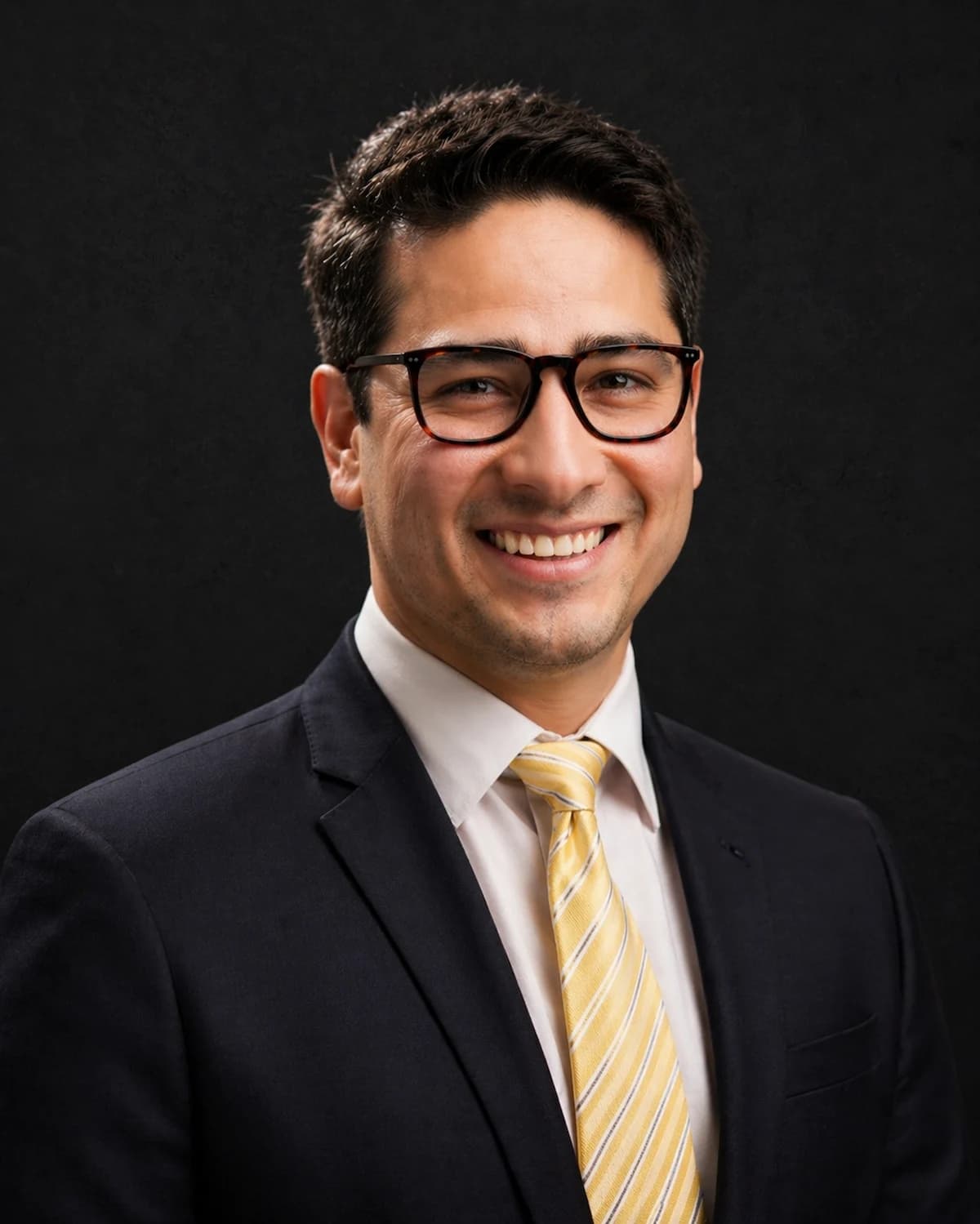
Bring all available implant records and describe any changes to Dr. Ruben Castro. The consultation can distinguish routine monitoring, diagnostic investigation, and elective removal. That gives you a decision based on your actual device and findings, without treating either observation or surgery as risk-free.